2026 Best Dock Plates for Global Buyers?

Global buyers choosing dock plates in 2026 face a practical challenge: matching equipment to real loading conditions, not just a catalog rating. A plate that looks sturdy may still be wrong for a narrow dock, uneven trailer bed, or frequent forklift traffic. Small details matter. Surface grip, usable width, load capacity, storage, and handling all affect daily performance.

Demand for dependable loading operations is growing alongside e-commerce. The U.S. Census Bureau reported that U.S. retail e-commerce sales reached $1.1926 trillion in 2024, an 8.1% increase from 2023. E-commerce represented 16.1% of total U.S. retail sales that year. This is one market, not a global forecast, but it illustrates the pressure on distribution facilities to move goods efficiently. MHI’s 2024 Annual Industry Report also highlights continued investment in supply-chain technology and automation. Dock equipment should support those workflows without creating avoidable handling risks.

This guide compares dock plates by construction, capacity, portability, and typical application. It also considers how buyers can verify manufacturer specifications and match ratings to the heaviest expected load. OSHA’s dockboard guidance offers a useful safety reference for U.S. workplaces, while buyers elsewhere should check applicable local requirements. One caveat: published ratings do not replace a site assessment. A rushed choice can look economical. It may not stay that way.
2026 Best Dock Plates for Global Buyers?

Dock Plates Explained: Types, Uses, and OSHA 1910.26 Scope

2026 Best Dock Plates for Global Buyers?

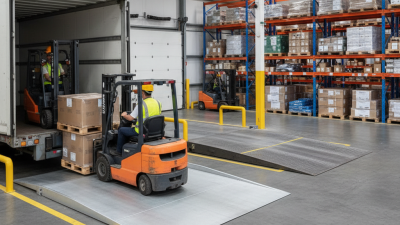
Dock plates connect a loading dock with a trailer, railcar, or uneven floor. Portable aluminum plates suit hand trucks and lighter transfers. Steel plates handle heavier loads, but they require more effort to position. Dockboards usually include side curbs and support forklift traffic. Powered dock levelers serve frequent, high-volume operations.

The key compliance reference is OSHA 29 CFR 1910.26, covering dockboards used between dock surfaces and transport vehicles. Portable dockboards must resist slipping and support the maximum intended load. They also need safe handling features, such as lifting devices or handholds. A plate should never rest loosely on a wet trailer floor. That shortcut looks harmless.

BLS Census of Fatal Occupational Injuries data recorded 5,283 U.S. workplace deaths in 2023. Transportation and material-moving occupations represented 1,495 of them. The figure is not dock-specific, but it shows why loading interfaces deserve careful control. Buyers should verify rated capacity, usable width, lip length, surface traction, curb height, and inspection instructions. The 2024 MHI Annual Industry Report also found that many supply-chain organizations continue investing in automation and operational resilience. That trend may increase traffic around dock equipment, not eliminate human risk.

In practice, measure the dock gap with a loaded trailer present. Check the plate after rain, frost, and repeated forklift impact. Do not choose by capacity alone. A technically compliant plate can still be awkward, poorly stored, or misaligned. Global buyers should request load-test records and local regulatory review before installation.
Measure the Dock Interface: Height Difference, Gap, Width, and Slope

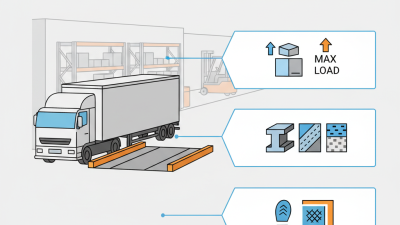
Choosing a dock plate starts with the interface, not the catalog. Measure the vertical difference between the dock floor and the truck bed. Check it with the vehicle positioned as it will be during loading. A loaded truck may sit lower than an empty one. Small gaps matter.

Measure the horizontal gap from the dock edge to the truck bed, then check the clear width available for the plate. The plate must rest securely on both sides without blocking nearby doors or equipment. Record the narrowest usable width, not just the widest point. Measure again. A crooked approach can change the gap from one side to the other.

Slope depends on both the height difference and the usable plate length. A short plate across a large rise can create a steep path for pallet jacks and carts. Compare your measurements with the plate’s rated dimensions and operating limits; do not assume one size fits every bay. Recheck measurements at different times if vehicles or dock positions vary. These readings can be imperfect, especially on uneven floors, so note where each was taken. That small record can prevent a costly mismatch.

Match Plate Capacity to the Maximum Intended Load Under OSHA 1910.26

2026 Best Dock Plates for Global Buyers?

When selecting a dock plate, start with the heaviest load it will actually carry. Include the forklift’s own weight and its maximum cargo, not just the pallet. OSHA 1910.26 requires dockboards to be strong enough for the load imposed on them and secured against slipping. It does not set one capacity that suits every dock.

Check the plate’s rated capacity and the conditions behind that rating. A forklift crossing at an angle, a shifted load, or a hard stop can create stresses that a simple weight estimate misses. Add a suitable safety margin, and confirm the rating with the supplier or manufacturer. Small detail. Big consequences. The dock surface, gap width, plate length, and wheel path matter too; a plate that fits poorly can concentrate force near an edge.

Before purchase, compare the rating with the heaviest planned combination of vehicle and load. Ask how capacity is marked, whether the plate needs specific anchoring, and what inspection intervals are recommended. OSHA also requires portable dockboards to be secured in position. Keep the rating visible, inspect for bent edges, cracked welds, and loose hardware, and remove damaged equipment from service. Estimates are not perfect. Recheck them when forklift models or typical loads change.

Compare Steel and Aluminum by Weight, Load Rating, and Duty Cycle

A dock plate must match the actual gap, equipment, and handling routine—not just the advertised load rating. Steel plates are generally heavier and can suit demanding, repeated use, but moving one by hand may be difficult. Aluminum is lighter, so workers can position it more easily. That convenience matters when plates are moved several times per shift. Weight matters.

Compare rated capacity with the heaviest expected load, including the pallet jack or other equipment. Also check how that load is distributed: small, hard wheels concentrate pressure more than broad tires. Follow the manufacturer’s rating and inspection instructions, and confirm the plate sits securely before use. A capacity number alone does not describe every working condition.

Duty cycle can change the better choice. A busy dock with frequent crossings may favor a robust steel plate, while a lighter-duty site may value aluminum’s easier handling and corrosion resistance. Neither material removes the need to inspect edges, welds, and the walking surface. Check the label. Track damage and replacement history, too; real wear may reveal that your assumed duty cycle was wrong. There is no perfect shortcut here. The right comparison starts with measured loads and honest observations from the dock.

2026 Best Dock Plates for Global Buyers? — Compare Steel and Aluminum by Weight, Load Rating, and Duty Cycle

This chart compares approximate material densities: for the same volume, steel weighs about 2.9 times as much as aluminum. Actual dock-plate weight depends on dimensions, alloy, thickness, and reinforcement. Load rating and duty cycle are not determined by material alone; they depend on the plate’s design, construction, and tested specifications. Compare certified ratings and intended-use guidance for each model before purchasing.

Evaluate Global Suppliers: ISO 9001, Test Reports, Warranty, and Lead Time

2026 Best Dock Plates for Global Buyers?

For global buyers, supplier evaluation should start with evidence, not polished product photos. Check whether the ISO 9001 certificate is current, valid for the manufacturing site, and relevant to metal fabrication. A certificate number should be independently verifiable. Ask for the quality manual scope and recent corrective-action records when available. Small details matter.

Request test reports covering rated load, deflection, weld strength, surface treatment, and slip resistance.

The report should identify the tested model, date, laboratory, and test method. A simple load figure is not enough. In busy loading areas, uneven forklift entry can create sudden impact forces. Confirm whether the rating includes dynamic use or only static loading. Ask for evidence.

Warranty terms deserve equal attention. Confirm coverage length, structural exclusions, replacement procedures, and response times. Lead time should include production, inspection, packing, and export preparation. A supplier promising seven days may exclude testing or documentation. That can create delays later. Obtain a written schedule with milestone dates.

My checklist is not perfect, because site conditions differ. Recheck platform height, vehicle gap, corrosion exposure, and daily traffic before ordering. One overlooked measurement can make a compliant plate unsafe to operate.