2026 Best Laser Cleaning Equipment for Global Buyers?
Selecting the best Laser Cleaning Equipment for global buyers in 2026 requires more than comparing wattage or purchase prices. Real performance depends on material type, coating thickness, surface geometry, and cleaning speed. A 1,000-watt system may remove rust quickly from steel, yet damage delicate aluminum or painted components. Precision matters.
Professor Wolfgang Pfleging, a recognized laser-manufacturing expert, has stated, “Laser processing succeeds when energy delivery matches the material response.” This principle guides responsible equipment selection. Buyers should examine wavelength, pulse duration, fluence control, scan width, cooling design, extraction systems, and operator protection. Supplier experience also matters. Request test reports, sample results, maintenance records, and traceable component specifications. Published claims can look impressive. They may still hide practical limitations.
Think beyond the factory floor. A reliable machine should fit local power standards, training capacity, service support, and documentation requirements. Global buyers should also confirm applicable safety certifications with qualified local professionals. Compliance is not a marketing checkbox.
Field experience often reveals the truth. Watch the beam path, listen to the cooling fan, and inspect the cleaned surface under angled light. Residue, heat tint, or uneven texture can expose a weak process. No model is perfect. I would still question any supplier promising universal results. Careful trials, measurable acceptance criteria, and a realistic total-cost review create a stronger basis for choosing Laser Cleaning Equipment in 2026.
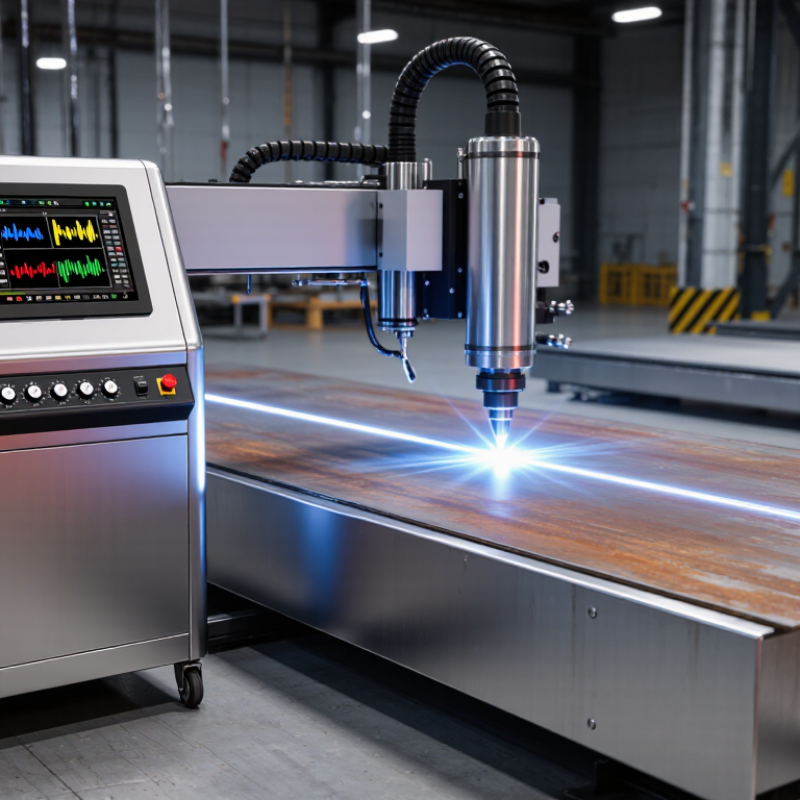
Laser Cleaning Fundamentals: 1064 nm Pulsed Ablation and Surface Physics
Laser Cleaning Fundamentals: 1064 nm Pulsed Ablation and Surface Physics
A 1064 nm pulsed laser removes contamination through controlled ablation. Short pulses deliver energy before heat spreads deeply into the substrate. Rust, paint, oil residue, and oxide layers absorb this energy differently. Their bonds weaken, vaporize, or break into fine particles. The base material should remain below its damage threshold. That balance defines a reliable cleaning process.
Pulse energy, duration, repetition rate, and spot size affect the result. Higher energy is not always better. Excessive fluence may discolor metal, roughen stone, or create unwanted thermal stress. Surface reflectivity also changes during cleaning. A setting that works on dark rust may behave poorly on polished aluminum. I recommend testing representative samples and recording visible changes, roughness, and temperature. A clean appearance can still hide microscopic damage. That assumption deserves testing.
Tips: Begin with low energy and wider scanning. Adjust one parameter at a time. Use extraction for particles and fumes. Inspect edges, corners, and heat-sensitive areas closely. Operators should verify calibration before production work. Even experienced users can misjudge a reflective surface. Proper eye protection, enclosure design, and local safety procedures remain essential for responsible equipment selection.
Power, Pulse Energy, and Scan Speed: Comparing 20–3,000 W Systems
2026 Best Laser Cleaning Equipment for Global Buyers?
Power, Pulse Energy, and Scan Speed: Comparing 20–3,000 W Systems
For global buyers, laser cleaning equipment should be compared by usable output, not wattage alone. A 20–200 W pulsed system can remove thin oxide, paint traces, or oil from delicate molds with limited heat input. Pulse energy determines how forcefully each burst reaches the surface. Higher energy may shorten work time, but it can also mark soft alloys or reveal hidden cracks. A practical test examines the surface after several passes, not one impressive pass. Small results matter.
Systems from 300 to 1,000 W often suit maintenance workshops, fabricated metal parts, and medium-sized preparation jobs. Average power supports faster coverage, while pulse width and repetition rate control heat accumulation. A 1,500–3,000 W unit can clean large steel structures efficiently with a wide scan path. Maximum power does not guarantee maximum productivity. If scan speed is too high, contamination remains in narrow grooves. If it is too low, discoloration and thermal stress may appear. Both mistakes are common.
Scan speed must be judged with beam width, overlap, and operator control. Fast scanning can increase coverage, yet uneven overlap may leave stripes near edges. Buyers should request test panels, measured cleaning rates, surface roughness checks, and regional electrical specifications. Ask for pulse-energy ranges, not peak power alone. Confirm service training, protective enclosures, extraction requirements, and documented procedures. I still find wattage comparisons incomplete. The best choice depends on the surface, production rhythm, and tolerance for rework.
Application Fit by Material: Rust, Paint, Oil, Stone, and Electronics
2026 Best Laser Cleaning Equipment for Global Buyers: Application Fit by Material
Choosing laser cleaning equipment should begin with the material, not the machine’s headline power. For rust on steel, pulsed lasers usually remove corrosion while limiting heat transfer into the base metal. Operators should inspect edges, welds, and thin sections closely. A slower scan may protect detail better than maximum output. Test a small patch first. Results can vary with rust thickness and surface moisture.
Paint removal requires careful control because coatings may release fumes or leave heat marks. Adjustable pulse duration and reliable extraction are valuable in workshops.
Oil and grease often need multiple passes, especially around threads and recessed parts. Wiping loose residue between passes improves consistency. It is less dramatic, but more dependable.
For stone, lower energy and wider scanning can reduce surface etching. Granite, limestone, and painted masonry do not react alike. A conservator or trained technician should compare cleaning depth under proper lighting.
Electronics demand the greatest restraint. Dust and oxidation may be removed from suitable metal contacts, but nearby polymers, coatings, and fragile components can be damaged. Shielding, grounding, and controlled beam delivery matter.
Enclosed operation and suitable eye protection are essential for every application. In practical trials, the first setting is rarely perfect. Buyers should request material samples, maintenance details, training, and documented test results. A machine that cleans quickly may still be the wrong choice if it cannot preserve the original surface.
Global Safety Compliance: IEC 60825-1, ISO 11553-1, CE, and UL
2026 Best Laser Cleaning Equipment for Global Buyers?
For global buyers, safety compliance should guide equipment selection, not marketing claims. IEC 60825-1 helps classify laser products and define controls for emitted radiation. Check the laser class, enclosure design, warning labels, interlocks, and emergency stop functions. A machine can look polished yet lack essential safeguards.
ISO 11553-1 addresses safety for laser processing machines, including cleaning equipment. It supports risk assessment, protective housing, access control, and operator protection. CE marking indicates conformity with applicable European Union requirements, but it is not a universal safety certificate. UL certification or evaluation may support acceptance in North American workplaces, depending on local rules and the machine configuration. Documentation matters.
Tips: Request the declaration of conformity, test reports, user manual, and maintenance records. Confirm whether documents match the exact model, laser source, and operating mode. Ask for evidence. Review ventilation, reflective surfaces, eyewear specifications, and training procedures before purchase. During a factory inspection, observe whether guards close correctly and warning lights remain visible from working positions. I have seen compliance folders that looked complete, but their test scope was unclear. That weakness deserves attention. Compare independent assessments, not only supplier statements. Local electrical, workplace, and import requirements may still differ, so obtain qualified regional advice before installation.
Total Cost of Ownership: Productivity, Consumables, Service, and ROI
For global buyers, laser cleaning equipment should be judged by total cost of ownership, not purchase price. A low-cost system may consume more electricity or require frequent optical replacements. The invoice is only the beginning.
A practical TCO model includes labor, power, extraction filters, protective equipment, software updates, training, maintenance, and downtime. Laser cleaning usually removes abrasive media, but it is not consumable-free. Optics can collect dust. Filters need scheduled replacement. Operators still need documented safety procedures. The U.S. Department of Energy’s Operations & Maintenance Best Practices Guide reports potential annual savings of 5–20% from disciplined maintenance programs. That range is useful, but it is not a promise for every workshop.
Measure real productivity on your material. Record cleaning speed, setup time, rework, and changeover minutes. Deloitte’s predictive maintenance research has reported maintenance-cost reductions of 10–40% in suitable industrial applications, alongside improved equipment availability. These figures come from broader maintenance systems, not laser cleaning alone. Be careful here. The calculation should use your own baseline: annual labor savings plus avoided media costs, minus service and energy expenses. Then divide by the purchase and installation cost. A six-hour trial on painted steel may look excellent, while rusted castings produce a different result. That uncomfortable gap matters. Reliable suppliers should provide service intervals, spare-part pricing, training terms, and measured test records before purchase. Ask for the unedited data.
2026 Best Laser Cleaning Equipment for Global Buyers
Total Cost of Ownership: Productivity, Consumables, Service, and ROI
This planning benchmark compares four anonymous laser-cleaning power classes using typical 2026 market ranges. Three-year TCO includes equipment purchase, consumables, scheduled service, and electricity. The line shows estimated TCO per cleaned square meter, while the bars show the cost structure in USD.
Assumptions: 1,200 productive operating hours per year, electricity at US$0.15/kWh, and productivity based on common industrial coating, rust, and surface-preparation applications. Freight, taxes, financing, and local labor costs are excluded.
