Global buyers need more than a parts list when sourcing serco dock leveler parts. They need dependable fit, clear specifications, and practical support after delivery. A worn lip hinge pin can create movement at the platform edge. A damaged hydraulic seal can leave oil beneath the dock. Small components can interrupt an entire loading schedule.
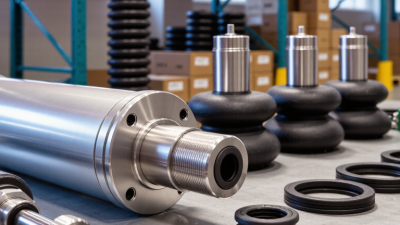
This guide examines the 2026 parts most frequently considered by maintenance teams and distributors. It covers hydraulic cylinders, lip hinges, deck springs, bumpers, control assemblies, hold-down components, and replacement seals. Each part deserves careful identification. Model numbers, platform dimensions, operating style, and installation history matter. Guessing can be expensive.
Dock-equipment service specialist Ethan Cole puts it plainly: “The right replacement part is not merely similar; it must behave correctly under the dock’s real working load.”
That point sounds obvious. It is often missed.
Experienced technicians usually photograph the nameplate, measure worn components, and compare drawings before ordering. They also inspect surrounding parts, because one failed spring may hide a bent bracket or cracked weld. Suppliers should provide traceable product details, packaging protection, and responsive technical communication. Those practices build confidence across borders.
Still, no sourcing guide removes every risk. Older Serco units may have altered components, incomplete records, or regional configuration differences. Buyers should verify compatibility with qualified service personnel. This overview offers practical direction, not a substitute for inspection. Reliable purchasing begins with evidence, not assumptions.
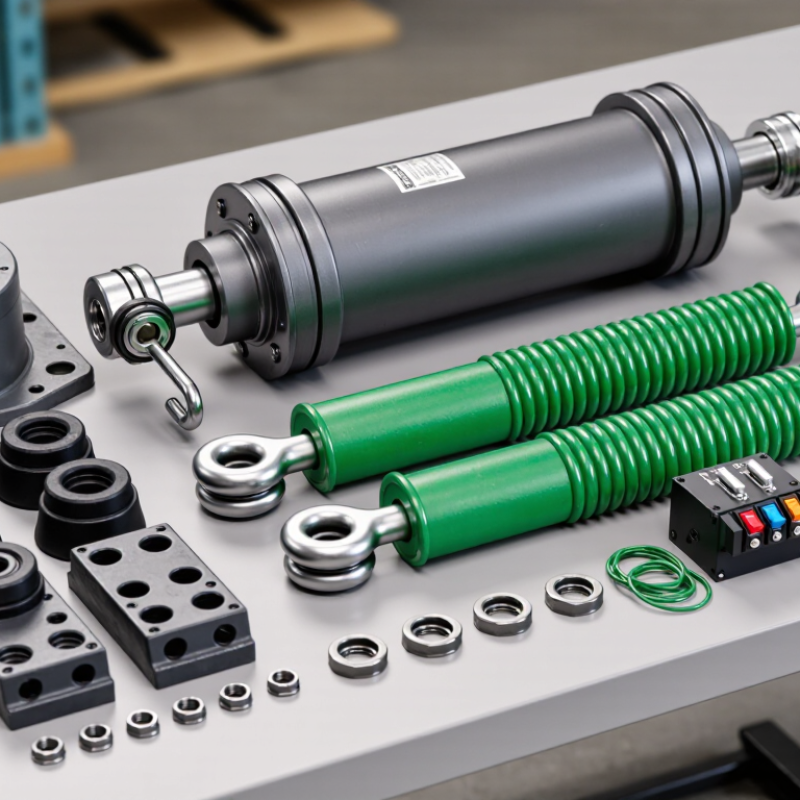
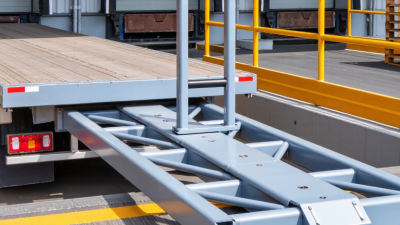
Dock leveler parts support safe, repeated loading between a warehouse floor and a trailer bed. Common components include the deck, hinged lip, rear hinges, springs, hydraulic cylinders, seals, bumpers, and control switches. Each part has a specific job. The lip bridges the gap, while springs or cylinders control movement. Seals help prevent hydraulic leaks and protect moving surfaces from dust. Small parts matter.
Compatibility depends on more than the equipment’s overall size. Check deck width, lip length, rated capacity, pit dimensions, hinge spacing, and mounting-hole patterns. Hydraulic replacements must match pressure, stroke length, port size, and fluid requirements. Electrical controls also need compatible voltage and wiring layouts. Fit is not enough. A part may install correctly yet perform poorly under heavy loads.
Reliable purchasing starts with measurements, service records, and clear photographs of worn components. Inspectors often find cracked welds, flattened bumpers, stretched springs, or hardened seals during routine checks. These details can explain slow movement or uneven loading. A common mistake is choosing a stronger-looking component without checking the complete assembly. That approach can transfer stress to hinges or the deck. Replacement work should follow the equipment manual and be verified by a qualified technician. Even careful specifications can miss an old modification, so rechecking the installed dimensions remains worthwhile.
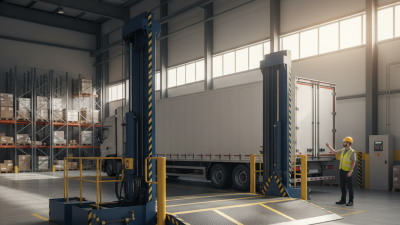
Identify the part from the equipment plate, not from appearance alone. Record the model, serial number, platform size, and rated capacity. These details usually separate similar-looking components.
Check whether the leveler uses mechanical springs, hydraulic cylinders, or an electric control system. Measure the hinge tube diameter, lip length, mounting-hole spacing, and overall component thickness. A few millimeters can prevent proper installation. Inspect worn bushings, cracked welds, bent pins, and damaged hoses before ordering. The failed part may not be the only problem.
Use the original service manual and current engineering drawings when available. Ask the supplier to confirm dimensions, material grade, load rating, and fitment in writing. Clear photographs with a ruler beside the part can reduce costly errors. I once matched a replacement by shape alone, and the mounting holes were slightly wrong. It delayed the repair. That mistake still matters.
Verify seals, fasteners, and protective coatings for the operating environment. Cold storage, coastal air, and heavy traffic can require different specifications. Compare the supplied part against the old component before installation. Check movement without cargo, then test it under controlled operating conditions. Keep the inspection record, including measurements and photos. Details are easy to forget.
Before purchasing dock leveler parts in 2026, inspect each component as if it will face ten years of daily impact. Measure twice. Confirm the platform width, hinge spacing, lip length, mounting holes, and rated load against your equipment drawings. A part that looks close may create uneven loading or dangerous movement. Do not guess. Check steel thickness with calipers where possible, and inspect welds for gaps, undercutting, or rough repairs. Surface appearance misleads.
Ask for material specifications, dimensional tolerances, load tests, coating details, and traceable quality records. Reliable suppliers should answer clearly, not hide behind generic claims. Request current photos of hinge pins, springs, cylinders, seals, and safety stops. Look for pitting, bent edges, cracked welds, oil stains, and inconsistent machining. Test samples under controlled conditions when the order is large or the part is safety-critical. Small errors matter.
During one inspection, a clean hydraulic cylinder passed visual review but leaked after repeated cycling. That mistake changed our checklist: every cylinder now needs pressure verification, seal inspection, and cycle evidence. Compatibility also deserves attention. Confirm fluid requirements, operating temperature, mounting orientation, replacement intervals, and installation access before approving payment. Keep records of measurements and questions. Suppliers may overlook details. Your inspection notes provide evidence when a tolerance, coating, or delivered quantity differs from the agreed specification.
Global sourcing now depends on accurate compatibility, not simply low purchase prices. Buyers should match hinge pins, lip springs, hydraulic cylinders, bumpers, control switches, and seals with existing drawings. Confirm platform width, rated capacity, mounting holes, shaft diameter, and operating temperature before requesting quotations. Small differences can stop installation.
Ask suppliers for material grades, surface treatments, inspection records, and batch traceability. Hardened steel pins may improve wear resistance, while galvanized or coated parts can better handle humid loading bays.
Hydraulic components need pressure ratings, seal materials, and tested connection sizes. Request dimensional samples when tolerances are unclear. They save time later.
Lead time also matters. Keep critical seals, springs, and switches near the installation site when possible. Use reinforced cartons, moisture barriers, and labeled inner packages for long-distance transport. A supplier’s response quality reveals much: clear drawings and honest limitations are valuable evidence.
I have seen inexpensive parts fail because packaging was weak or measurements were assumed. That lesson still deserves attention. Not every “universal” part fits safely.
Check replacement history, installation access, and maintenance habits before approving a shipment. Supplier audits, video inspections, and small trial orders can reduce uncertainty, although they require extra time and budget.
Choosing reliable dock leveler replacement parts requires more than matching a product photograph. Check the model, platform dimensions, hinge spacing, load rating, and hydraulic or mechanical design. A wrong spring or worn hinge can cause uneven movement and sudden platform drops. Experienced technicians measure twice before removing the old component. It saves time.
During installation, isolate power and secure the platform with approved maintenance supports. Never rely on hydraulic pressure alone. Inspect welds, pins, bushings, cylinders, and deck edges for cracks or distortion. Replace damaged fasteners instead of reusing stretched hardware. After fitting each part, test smooth travel under controlled conditions. The platform should rest evenly on the vehicle bed and return without violent movement. Small alignment errors can become expensive failures.
Tips
Keep a replacement-part record with dimensions, supplier details, and installation dates. Lubricate pivot points according to the equipment instructions, but avoid excess grease near walking surfaces. Inspect the lip, guard, restraints, and warning labels during every service visit. Test emergency stops and restraint functions before returning the dock to daily use. If a component looks acceptable but behaves strangely, stop and investigate. Visual checks are useful, but they are not enough. Local safety rules and qualified inspection requirements may vary, so confirm them before operation.
The chart shows practical planning intervals for inspecting common dock leveler replacement parts. Pre-use checks should be completed before operation, while monthly and quarterly checks support preventive maintenance. Replace damaged, excessively worn, leaking, or deformed components immediately, and always follow applicable local safety requirements and the equipment maintenance manual.