How to Choose the Right Dock Equipment for Your Needs?
Choosing the right dock equipment is crucial for efficient operations. Various types of dock equipment cater to different needs. A well-suited piece of equipment can improve productivity, ensure safety, and streamline workflows. Understanding your specific requirements is vital.
Consider the types of tasks you perform. Do you handle large shipments regularly? Or, are you primarily dealing with smaller loads? The answers will guide your choices. Dock equipment options range from loading ramps to safety barriers. Each type has unique features.
Reflect on your current setup. Are there inefficiencies or safety concerns? Identifying these areas can lead to better decisions. In many cases, the right dock equipment is an investment. It not only enhances operations but also safeguards workers. Make informed choices that suit your needs and enhance your workflow.
Understanding Different Types of Dock Equipment Available
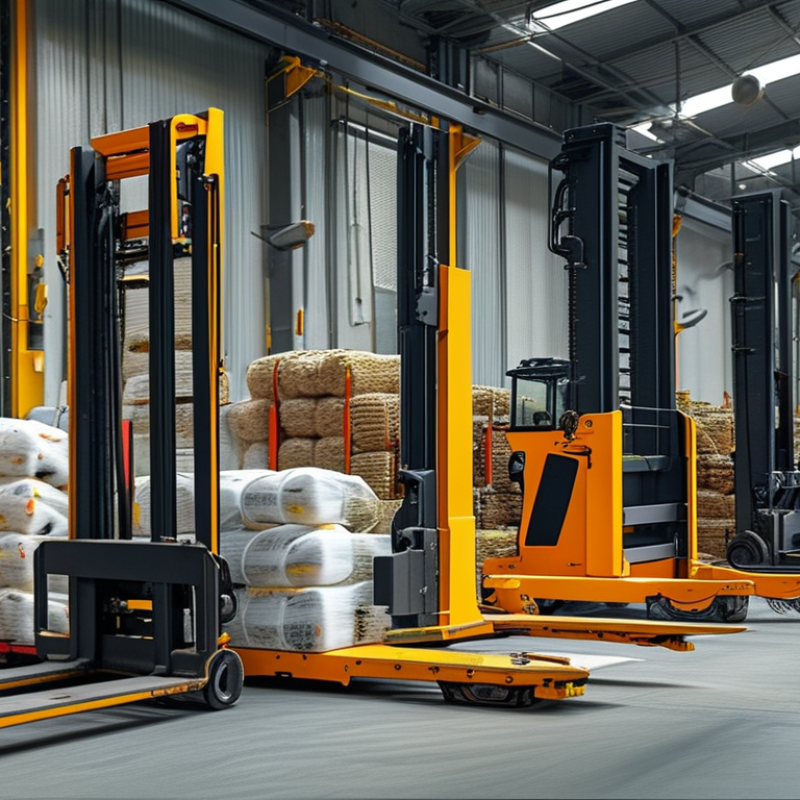
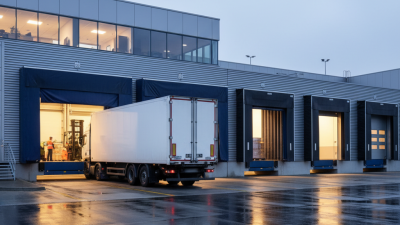
When selecting dock equipment, understanding the various types is crucial. Different operations have unique needs. From loading docks to marine terminals, each setup requires specific equipment. Common types include dock levelers, dock plates, and forklifts. Each serves a distinct purpose in the loading and unloading process.
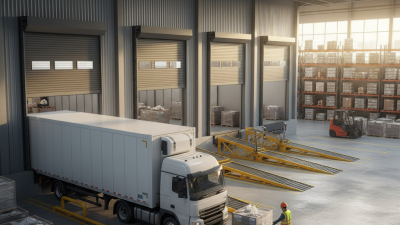
Dock levelers help bridge the gap between a truck and the dock. They come in various designs, including hydraulic and mechanical types. Choosing the right one depends on the load capacity and frequency of use. A hydraulic leveler may offer more convenience but could involve higher maintenance costs. Consider how many times you will use it.
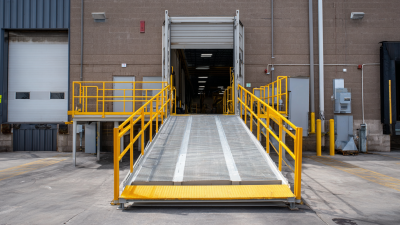
Dock plates provide a simpler solution for lighter loads. They are portable and easy to use, but they may not support heavier items. Think about the types of materials being handled. This might help you make informed choices.
Tips: Always assess your specific operations. Evaluate the weight of materials and frequency of use. Consult with professionals who understand your unique environment. Their insights can save you money and improve efficiency. Quality and durability should guide your decisions.
Assessing Your Specific Docking Needs and Operations
Choosing the right dock equipment begins with a clear understanding of your specific docking needs. Assessing your unique operations is vital. This means considering the types and sizes of vessels you regularly handle. Think about the weight capacity necessary for your equipment. Dock operations can vary significantly, so understanding your peculiar requirements is crucial.
Tips: Conduct a thorough assessment of your existing infrastructure. It’s crucial to track the frequency and types of cargo you move. If you overlook this, you might invest in equipment that doesn’t align with your operations. Consider if your dock is busy enough to warrant high-capacity equipment or if smaller solutions would suffice.
Also, engage with your team. Gather insights from operators who use the equipment daily. They can provide valuable perspectives on pain points and areas for improvement. Sometimes the best equipment feels uncomfortable for the staff. Thus, investing in the right tools means ensuring usability as much as capacity.
Evaluating Safety Features in Dock Equipment
When evaluating dock equipment, safety features are paramount. According to a report from the Occupational Safety and Health Administration (OSHA), improper dock equipment can lead to up to 65% of workplace injuries in the shipping industry. This statistic highlights the necessity of integrating robust safety elements into dock operations. Equipment such as dock levelers, bumpers, and safety barriers should be assessed for their protective capabilities.
A key focus should be on the design of lift mechanisms. Ideally, equipment should have automatic shut-offs to prevent accidents during loading and unloading. Moreover, ensuring that the equipment meets safety standards laid out by the American National Standards Institute (ANSI) further solidifies reliability. Regular maintenance is crucial. Neglecting this aspect can lead to a degradation in safety performance over time.
Another area for reflection is employee training. Even the best equipment can fail if users are not adequately trained. A survey from the National Safety Council shows that only 45% of dock workers have received comprehensive safety training. Implementing a proper training protocol can significantly enhance safety and operational efficiency. It's essential to remember that choosing the right dock equipment is not just about features. It's about creating a culture that prioritizes safety at every level.
How to Choose the Right Dock Equipment for Your Needs? - Evaluating Safety Features in Dock Equipment
| Equipment Type |
Weight Capacity (lbs) |
Safety Features |
Material |
Price Range ($) |
| Dock Leveler |
20,000 |
Safety Lip, Auto-return |
Steel |
3,000 - 5,000 |
| Dock Ramp |
15,000 |
Anti-slip Surface |
Aluminum |
2,000 - 4,000 |
| Dock Shelter |
N/A |
Weatherproofing, Sealing |
Fabric |
1,500 - 2,500 |
| Loading Dock Safety Barriers |
N/A |
Impact-resistant, Reflective Markings |
Plastic |
500 - 1,000 |
| Lift Table |
5,000 |
Emergency Stop, Foot Pedal |
Steel |
1,000 - 2,500 |
Considering Load Capacity and Durability Requirements
When selecting dock equipment, load capacity and durability are critical factors. Load capacity refers to how much weight the equipment can handle safely. It's vital to assess the maximum weight of your goods. Overloading equipment can lead to failures. This not only risks damage but can cause injuries. Ensuring that equipment can easily bear the heaviest loads is essential for safe operations.
Durability is equally important. Equipment is often exposed to harsh environments. Choosing materials that withstand wear and tear is crucial. Steel or heavy-duty polymers offer greater longevity. However, some products may show signs of rust or degradation over time. It is essential to regularly inspect your equipment for any wear that could compromise performance. This is an area where many operators overlook. Regular maintenance checks can prevent costly downtime.
The right balance between load capacity and durability will enhance efficiency. Many businesses focus solely on price, neglecting long-term implications. Investing in high-quality, durable equipment can pay off in the long run. It saves money on replacements and repairs. Strive to choose gear that meets your specific needs without sacrificing quality.
Budgeting for Dock Equipment: Cost vs. Value Analysis
When budgeting for dock equipment, understanding the balance between cost and value is crucial. A recent industry report highlights that companies often underestimate operational costs. Up to 30% of dock expenses stem from equipment failure and inefficiencies. This data suggests that investing in higher-quality equipment can lead to long-term savings.
Unexpected breakdowns can disrupt operations. These disruptions can cost businesses up to $20,000 per hour based on studies. It’s essential to consider both initial costs and ongoing maintenance when planning your budget. Quality equipment may seem expensive upfront. However, the benefits like reduced downtime can outweigh initial investments.
Businesses sometimes overlook training for dock staff. Ignoring proper training can lead to improper equipment use. This mistake can negate any savings from lower-priced equipment. A comprehensive approach considers both equipment and personnel. Utilizing quality dock equipment, alongside trained staff, enhances overall efficiency and reliability. This strategy fosters a more productive and cost-effective environment in the long run.