Choosing a Corrosion-Resistant Metal Cable Gland takes more than picking a shiny fitting. The right choice depends on the environment, cable type, and enclosure. A gland beside a coastal pump faces salt spray, moisture, and vibration. A fitting inside a dry control room may face none of these conditions. Looks can mislead.
Corrosion engineer Mars G. Fontana described corrosion as “the destructive attack of a metal by chemical or electrochemical reaction with its environment.” That principle matters here. The metal, plating, and surrounding materials all affect how a gland performs over time. No alloy is immune in every setting. It is easy to overlook small details, such as trapped water around threads or damage to a protective finish during installation.
This guide explains how to compare materials, ingress protection, thread compatibility, and sealing options. Stainless steel can suit many demanding environments, but its grade and exposure still matter. Nickel-plated brass may be appropriate in other applications, yet the coating’s condition matters too. Check the manufacturer’s technical data, not just the product photo. Ask whether the gland matches the cable diameter and enclosure requirements. Then consider maintenance and likely exposure throughout its service life. The answer may not be perfect on paper; real sites change. A careful choice reduces risk, but inspection remains necessary.
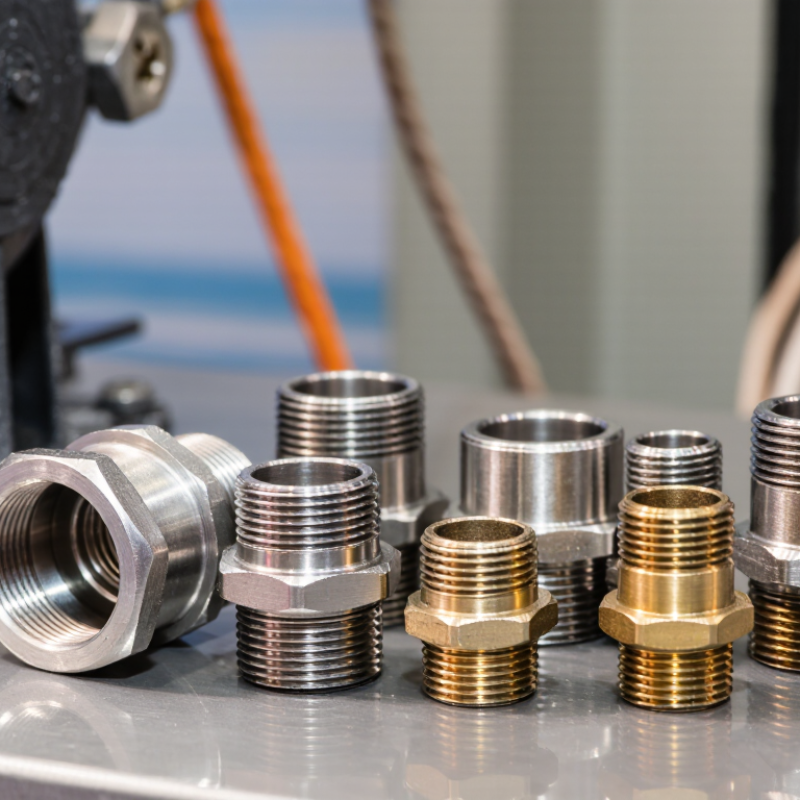
Begin by locating the gland in its real working environment. An outdoor junction box may face rain, salt spray, and sharp temperature changes. A washdown area adds cleaning chemicals and repeated moisture. Check for dust, condensation, and exposure to process fluids, not just the conditions listed on a general site plan. Small details matter. If cleaning products change seasonally, the specification may be incomplete.
Match the gland to the cable and installation method. Confirm the cable’s outer diameter, sheath material, and whether it is armoured. The seal must grip the cable without crushing it or leaving gaps. Check whether the installation needs strain relief, electrical bonding, or resistance to vibration. Check the actual cable. A correctly selected metal body cannot compensate for an unsuitable seal or poor assembly.
Then define operating limits: temperature range, exposure duration, and any pressure or ingress requirements. Do not assume every metal gland provides pressure containment; verify that the complete assembly is designed for the stated duty. Stainless steel may suit some corrosive settings, while nickel-plated brass may fit others. The best choice depends on the chemicals present and contact with nearby metals, since dissimilar metals can corrode in wet conditions. Allow for inspection and maintenance access, too. In practice, that last detail is easy to overlook.
A cable gland’s corrosion risk depends on its actual exposure, not just its material label. Record whether the entry sits outdoors, under washdown, near salt spray, or beside chemical dosing. Note puddles, condensation inside the enclosure, damaged coatings, and dissimilar metals touching at the gland plate. Check cleaning agents and process leaks; small splashes can be more aggressive than the general atmosphere. Distance from the shoreline is only a rough proxy. Look for deposits and wetting patterns.
Use a site survey to distinguish salt, industrial pollutants, and persistent moisture. ISO 9223 classifies atmospheric corrosivity using indicators such as chloride deposition and time of wetness. NACE International’s 2016 IMPACT study estimated global corrosion costs at US$2.5 trillion annually, about 3.4% of world GDP; this is an economy-wide estimate, not a cable-gland failure rate. That matters. Photograph the gland location, note exposure duration, and review maintenance records before choosing a metal and finish. Field logs are rarely perfect; record uncertainty rather than treating one dry inspection as proof of low risk. Compare observed conditions with the gland’s published chemical and temperature limits.
| Installation environment | Main corrosion drivers | Relative risk | Metal options to assess | Selection checks |
|---|---|---|---|---|
| Dry, conditioned indoor area | Low humidity; occasional handling damage or contact with cleaning chemicals | Low | Nickel-plated brass; stainless steel where additional durability is needed | Confirm the plating is suitable for the cleaning agents and that damaged coating will not be left exposed. |
| Outdoor, inland, non-industrial | Rain, condensation, humidity, and temperature cycling | Moderate | 316 stainless steel; suitably plated brass for less demanding exposure | Check the complete assembly, including seals and locknuts, and prevent water from collecting around the gland. |
| Coastal air or occasional salt spray | Chloride deposits, persistent moisture, and crevices that retain salt | High | 316 stainless steel; nickel-copper alloy where the exposure and product design justify it | 316 stainless steel is generally more resistant to chloride pitting than 304, but it is not immune. Consider rinsing, drainage, and inspection. |
| Offshore or frequent seawater splash | Continuous chlorides, wet-dry cycles, deposits, and possible crevice corrosion | Very high | Application-qualified nickel-copper alloy or other specified marine-service alloy; carefully assessed stainless steel | Use project-specific corrosion requirements and documented material compatibility. Do not assume 316 stainless is adequate for every seawater exposure. |
| Chemical processing or cleaning zones | Acids, alkalis, solvents, oxidizers, concentration, temperature, and exposure duration | Variable to very high | Alloy selected for the specific chemical; stainless steel or specialty alloys only after compatibility review | Identify the exact chemicals, concentrations, temperatures, and cleaning schedule. General material labels alone are not enough. |
| Industrial atmosphere with sulfur compounds or pollutants | Corrosive gases, moisture, airborne contaminants, and deposits on surfaces | Moderate to high | 316 stainless steel or another alloy selected for the measured atmosphere | Consider pollutant type and concentration, ventilation, condensation, and maintenance access before choosing the material. |
| Contact with dissimilar metal enclosures or fittings | Galvanic corrosion when dissimilar metals are electrically connected in a conductive wet environment | Depends on metals and moisture | A gland material compatible with the enclosure, or an approved isolation method | Assess the metal pair, electrolyte, exposed surface areas, and electrical bonding requirements. Isolation must not compromise safety or sealing. |
Risk ratings are qualitative screening guidance. Verify material suitability against the actual chemicals, exposure conditions, product specifications, and applicable project requirements.
A corrosion-resistant cable gland is not chosen by metal name alone. Nickel-plated brass is a practical option for many indoor installations, but a deep scratch can expose the brass beneath its coating. Stainless steel offers stronger resistance in harsh environments. Grade 316 often handles salt exposure better than grade 304, though standing chloride solution can still cause pitting. Small details matter.
Coatings add protection, but their performance depends on thickness, surface preparation, and damage during installation. A coating may wear where a spanner grips the gland or where threads meet an enclosure. Aluminum keeps weight low, yet contact with stainless steel in a damp setting can create galvanic corrosion. Not always. Check the actual metals and whether moisture can bridge them.
Compatibility matters as much as corrosion resistance. Confirm that the gland’s seal suits the cable jacket, such as PVC or a rubber compound, and that its temperature range fits the installation. Match the thread to the enclosure and verify the required ingress protection after assembly. In field work, I would inspect the cable entry after tightening; a good gland can still fail if the seal is pinched or the cable pulls sideways. No material is universally best, and site conditions are easy to underestimate.
Compare typical material suitability across common exposure conditions. Scores are qualitative guidance on a 1–5 scale, not standardized corrosion-test results.
316 stainless steel is often preferred for marine exposure because molybdenum improves resistance to chloride pitting compared with 304 stainless steel. Nickel-plated brass and aluminum can suit many general industrial applications, but performance depends on the specific coating, alloy, and environment. Check chemical compatibility, coating integrity, temperature, and galvanic contact with connected metals before selecting a gland.
A corrosion-resistant metal cable gland still needs the right ingress protection for its installation. Check the rating of the complete assembly, not just the gland body. The seal must match the cable’s actual diameter, and the entry must be tightened as specified. A cable that is slightly undersized can leave a path for moisture. Check the details.
IP ratings describe performance under defined tests. An IP6X rating indicates dust protection, while IPX7 covers temporary immersion under specified conditions. Neither rating automatically confirms resistance to hot, pressurized washdown. If the enclosure faces regular cleaning, confirm the test conditions suit that exposure. A rating on a datasheet may not cover a modified installation.
For hazardous locations, confirm that the gland’s approval matches the site’s gas or dust classification, temperature requirements, and installation method. Do not treat an IP rating as a hazard approval. They address different risks. Read the certificate scope and verify that the cable type, enclosure, and accessories are included. A common oversight is reusing a certified gland with an unlisted seal or adapter. That small mismatch can affect the approved configuration. Also check material compatibility: stainless steel may resist many corrosive environments, but salt, chemicals, and cleaning agents can change the choice.
A corrosion-resistant metal cable gland works only when its size, seal, and installation suit the cable and enclosure. Stainless steel and nickel-plated brass can resist many harsh conditions, but neither is ideal for every exposure. Salt spray, cleaning chemicals, and temperature changes affect material choice. Check compatibility with the enclosure and nearby metals; galvanic corrosion can occur when dissimilar metals meet in moisture.
Measure the cable’s actual outside diameter, including its jacket, and match it to the gland’s stated clamping range. Confirm the thread type and entry size fit the enclosure opening. A seal that is too loose may admit water or dust. One that is forced onto an oversized cable can deform. Select a gland with a suitable ingress-protection rating for the application, then follow its specified tightening method. Hand-tightening by feel alone is not always consistent.
Tips: Keep the sealing surfaces clean and dry. Tighten the locknut securely without crushing the cable jacket. After installation, check that the cable cannot pull free and that the seal sits evenly. A quick visual check helps, but it cannot replace the manufacturer’s installation instructions. I have seen careful measurements miss a thick cable jacket, so measure the finished cable—not just its conductor.