2026 How to Choose the Right Loading Dock Plate for Your Warehouse Needs?
In the logistics industry, selecting the correct loading dock plate is essential. Matt Johnson, a seasoned expert in loading dock solutions, emphasizes, “The right loading dock plate increases efficiency and safety.” This statement highlights the importance of thoughtful choices in warehouse operations.
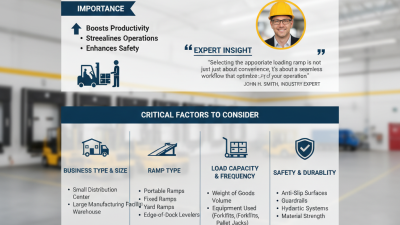
Choosing a loading dock plate involves understanding your specific needs. Different weights, heights, and materials can impact your decisions. For instance, aluminum plates are lightweight yet strong, ideal for many applications. On the other hand, steel plates might be necessary for heavier loads.
However, many warehouses overlook critical factors. Managers sometimes prioritize cost over safety and functionality. The wrong choice can lead to injuries and operational delays. Reflecting on these challenges helps ensure that the selected loading dock plate truly meets the warehouse needs.
Understanding Different Types of Loading Dock Plates and Their Uses
When selecting a loading dock plate, understanding the various types available is crucial. There are three main types of loading dock plates: steel, aluminum, and fiber. Each type offers unique benefits tailored to different warehouse needs. Steel plates are heavy-duty. They can support more weight but may be prone to rust if not maintained properly.
Aluminum plates are lighter and easier to handle but may not withstand the same weight as steel.
Fiber plates can be a good option for lighter loads. However, they may not be suitable for environments that are wet or heavy with machinery. According to industry data, around 30% of injuries at loading docks are related to improper equipment selection. This highlights the importance of choosing the right loading dock plate wisely.
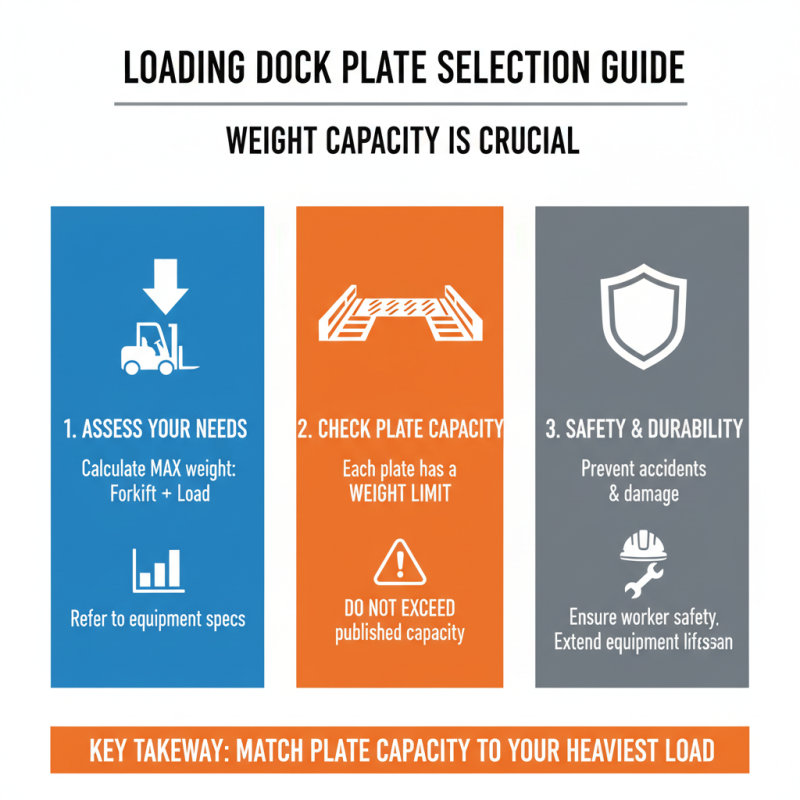
Tip: Assess the weight capacity required for your operations. It’s better to opt for a plate that exceeds your needs rather than one that barely meets them.
Consider the environment as well. Will your plate be exposed to moisture or abrasive materials? Regular check-ups on the condition of your plates are essential. Neglecting this can lead to accidents and increased maintenance costs.
Tip: Keep your loading dock area organized. This simple step can promote safety and efficiency during loading and unloading tasks.
Assessing Size and Dimensions for Optimal Dock Plate Fit
Choosing the right loading dock plate for your warehouse is crucial. The size and dimensions significantly impact efficiency and safety. A properly fitted dock plate ensures smooth transitions between trucks and the loading dock. According to industry reports, nearly 30% of loading inefficiencies stem from improper equipment sizing.
When assessing size, consider the height of your trucks and the incoming loads. A common mistake is underestimating the width. If a plate is too narrow, it can lead to accidents. Aim for a minimum width that exceeds your heaviest equipment. For example, many warehouses report efficiency gains of up to 15% with the correct dock plate width.
Tips: Always measure your truck bed height accurately. This step can prevent costly adjustments later. Additionally, think about the maximum weight capacity needed. Plates are rated for various weights. Not knowing this can lead to severe safety issues. Remember, a wrong choice could risk employee safety and lead to downtime. Measure twice, order once!
Material Considerations: Choosing Durability for Loading Dock Plates
Choosing the right loading dock plate is crucial for warehouse efficiency. The material of the loading dock plate plays a significant role in durability. Steel plates are a common choice, providing strength capable of handling heavy loads. According to industry reports, steel plates can support up to 30,000 pounds. However, they can corrode if not properly maintained.
Aluminum plates offer a lightweight alternative, often suitable for lower capacity needs. They resist rust and corrosion, making them ideal for outdoor use. Yet, aluminum plates might not withstand extremely heavy loads as effectively as steel counterparts. A study indicated that aluminum loading dock plates can support loads ranging from 2,000 to 12,000 pounds.
Consider the operational environment when selecting a material. High humidity or exposure to chemicals can affect durability. Operating the dock plate on uneven surfaces may cause strain. Ensuring compatibility with equipment is also vital. Failing to consider these factors could lead to premature wear or even accidents. Proper evaluation of material needs is essential for safety and efficiency.
2026 How to Choose the Right Loading Dock Plate for Your Warehouse Needs? - Material Considerations: Choosing Durability for Loading Dock Plates
| Material Type |
Weight Capacity (lbs) |
Durability Rating |
Common Applications |
| Steel |
10,000 |
High |
Heavy-duty warehouses |
| Aluminum |
7,000 |
Medium |
General loading and unloading |
| Polymer |
5,000 |
Medium-Low |
Lightweight materials |
| Composite |
6,000 |
Medium |
Mixed use in warehouses |
Safety Features to Look for in Loading Dock Plates for Compliance
When selecting loading dock plates, safety should be a top priority. According to industry reports, improper loading dock equipment contributes to 25% of warehouse accidents. Choosing a plate with adequate safety features can significantly reduce this risk. Look for non-slip surfaces to prevent slips and falls. Weight capacity is crucial; make sure the plate can support the loads in your warehouse.
Consider edge guards or safety pins. These features can help prevent accidents when vehicles enter and exit the dock. The right plate should also have a high visibility color scheme. Bright colors help alert workers of dock plate locations, reducing potential errors.
Tips for ensuring safety: Regularly inspect your plates for wear and tear. Damaged equipment can lead to serious injuries. Create a training program for your employees to educate them about loading dock safety. A study from the National Safety Council shows that thorough training can reduce accidents by 40%. Strive for a culture of safety in your warehouse.