How to Choose the Best Dock Levelers for Sale?
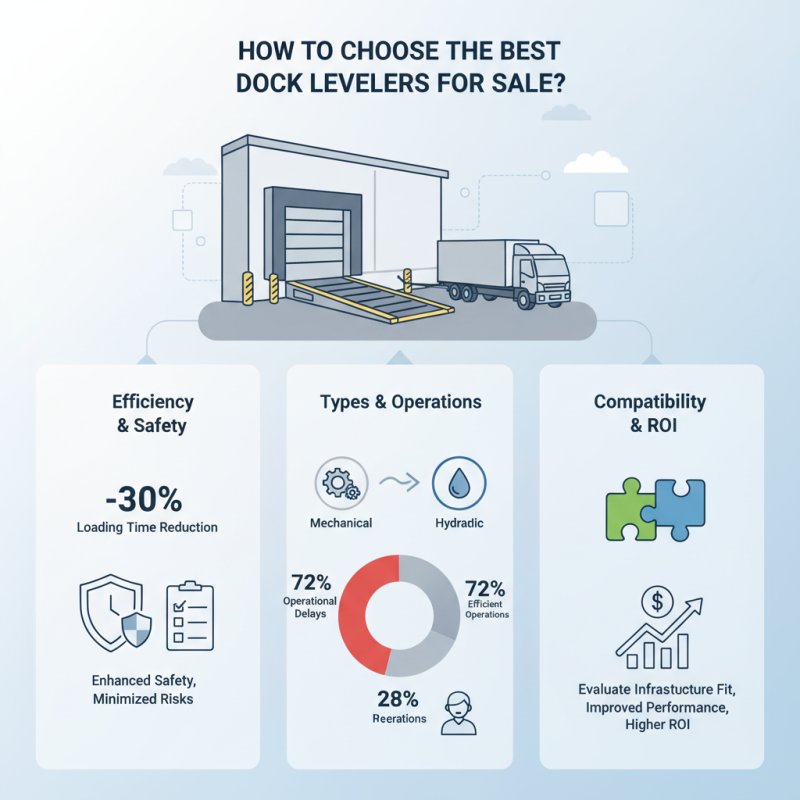
Choosing the right dock levelers for sale is essential for efficiency in loading and unloading operations. According to a recent report by the Material Handling Industry, effective dock solutions significantly reduce loading times by up to 30%. When businesses invest in quality dock levelers, they enhance safety and minimize potential risks in the workplace.
The market offers various types of dock levelers, from hydraulic to mechanical models. Each type has distinct advantages suited to different operational needs. A survey by Logistics Management indicates that 72% of companies experience operational delays due to inadequate docking solutions. It reveals the importance of making informed choices.
It's vital to evaluate the compatibility of dock levelers with existing infrastructure. Many enterprises overlook this aspect, leading to mismatches that increase costs and downtime. Ensuring the right fit can lead to improved performance and return on investment. Hence, understanding the specific needs and options available becomes crucial for optimal operations.
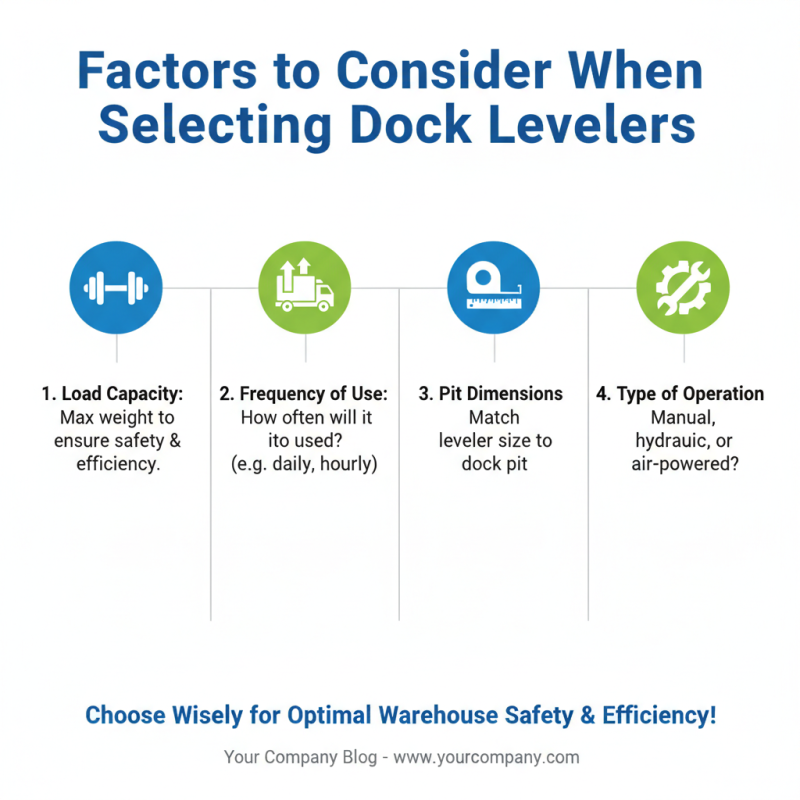
Factors to Consider When Selecting Dock Levelers
Choosing the right dock levelers for your facility is crucial. There are several factors to consider. Start with the load capacity. Knowing the maximum weight your dock leveler needs to handle helps ensure safety and efficiency. A leveler that can’t support the weight may lead to accidents.
Next, look at the dock height. Different companies have varying dock heights. You want a leveler that adjusts accordingly. Think about the type of vehicles you will use as well. Forklifts, trucks, and pallets might need different features.
Don’t forget about maintenance needs. Some dock levelers require more upkeep than others. This can affect your operational costs over time. Assess the materials used. Durable materials can withstand wear and tear in busy environments. You must also reflect on the installation process. Choosing a product that is easy to install can save you time and money. Keeping these factors in mind can significantly improve your loading dock performance.
Types of Dock Levelers and Their Applications
Dock levelers come in various types, each serving specific needs in loading docks. Hydraulic dock levelers are a popular choice. They offer smooth operation and can handle heavy loads with ease. Their versatility allows for adjustments to different truck bed heights, making them ideal for busy industrial settings.
Mechanical dock levelers, on the other hand, are simpler in design. They require manual operation and are often more affordable. These levelers are durable and can withstand tough working conditions. However, they may not be as efficient in fast-paced environments. Operators should consider the trade-off between cost and convenience when selecting these options.
Pneumatic dock levelers are also available. They use air pressure for lifting, providing a gentle approach to loading and unloading. They work well in applications with varying heights but may require more maintenance. Choosing the right type of dock leveler involves understanding specific operational needs and limitations. Each type has its pros and cons, highlighting the importance of reflection in decision-making.
How to Choose the Best Dock Levelers for Sale? - Types of Dock Levelers and Their Applications
| Type of Dock Leveler |
Application |
Load Capacity |
Height Range |
Material |
| Mechanical Dock Leveler |
General warehousing and distribution |
Up to 20,000 lbs |
5 to 12 inches |
Steel |
| Hydraulic Dock Leveler |
High-traffic loading docks |
Up to 30,000 lbs |
7 to 15 inches |
Aluminum / Steel |
| Air-Powered Dock Leveler |
Food and beverage industries |
Up to 25,000 lbs |
4 to 10 inches |
Steel |
| Portable Dock Leveler |
Temporary loading applications |
Up to 10,000 lbs |
Adjustable |
Steel / Aluminum |
| Edge-of-Dock Leveler |
Low dock heights |
Up to 15,000 lbs |
5 to 7 inches |
Steel |
Material and Durability Considerations for Dock Levelers
When selecting dock levelers, material and durability are vital considerations. Steel is a popular choice due to its strength and resistance to impact. However, not all steel is equal. Look for options that are hot-dipped galvanized to enhance corrosion resistance. According to the Material Handling Industry (MHI), 70% of dock leveler failures stem from inadequate material durability.
Other materials, like aluminum, offer lightweight advantages. They resist rust and can be easier to operate. Yet, aluminum might not support heavy loads as well as steel. Reports indicate that nearly 60% of companies facing equipment breakdowns cite material failure as the primary cause. This highlights the importance of assessing load requirements before making a decision.
In addition to the material, think about the design and construction quality. Reinforced structures withstand daily wear. Some manufacturers may cut costs by reducing thickness or using subpar welds. These choices can lead to premature failure. Ensuring that a dock leveler meets rigorous industry standards can save costs in the long run. Investing time in research and reliable sources can prevent potential pitfalls.
Cost Analysis and Budgeting for Dock Leveler Purchase
Selecting the right dock leveler is crucial for operational efficiency. Cost analysis plays a significant role in your decision-making. According to a recent industry report, total costs can range significantly based on the features and materials of the dock levelers. Prices may vary from $2,000 to $10,000. Understanding the return on investment is essential.
When budgeting, consider maintenance costs, which can account for up to 15% of the initial purchase price annually. A common oversight is neglecting to factor in potential downtime during repairs. The right dock leveler can reduce loading time by 25%, translating to higher productivity. However, if the equipment fails, productivity drops sharply. Documenting past performance data helps make informed decisions and manage budgets effectively.
Another important aspect is energy efficiency. A report from the Material Handling Industry highlights that energy-efficient models can save up to 30% in operational costs. Investing in higher-quality dock levelers often leads to lower long-term expenses. Be mindful of choosing a model that meets your specific operational needs. Not all features are necessary, and focusing on what is most beneficial can prevent overspending.
Maintenance Requirements and Support for Dock Levelers
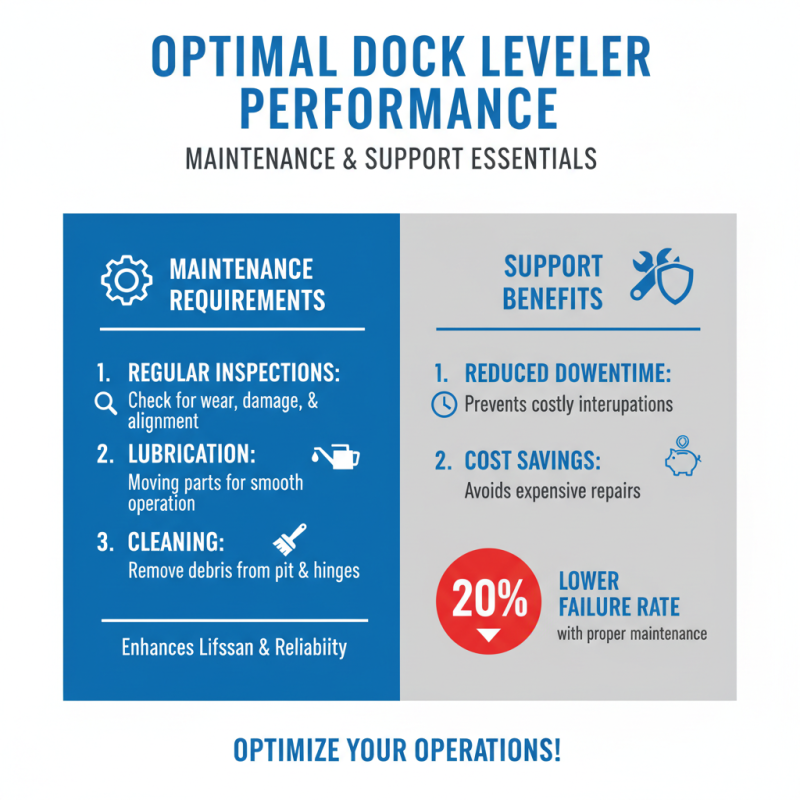
Choosing the right dock levelers requires not only understanding their functions but also their maintenance needs. Regular maintenance ensures optimal performance and enhances the lifespan of your equipment. According to industry data, poorly maintained dock levelers can lead to a 20% higher failure rate. In high-volume operations, this can result in significant downtime and increased costs.
Inspecting the hydraulic systems, welding joints, and electrical components regularly is crucial. Look for any signs of wear and tear. More than 30% of maintenance issues stem from overlooked minor repairs. Keeping accurate maintenance logs can help track the health of your equipment and identify recurring problems.
**Tip:** Create a checklist for monthly inspections. This should include checking fluid levels, tightening loose screws, and cleaning debris.
When considering support options, ensure your supplier offers accessible technical assistance. A survey revealed that 75% of facility managers prefer vendors who provide ongoing training and resources. This support can assist in troubleshooting and minimizing operational disruptions. You need to be proactive, understanding that neglecting maintenance can lead to costly repairs down the line.
**Tip:** Schedule regular training sessions for your team on best practices for dock leveler care.