How to Choose the Best Loading Dock Leveler for Your Needs?
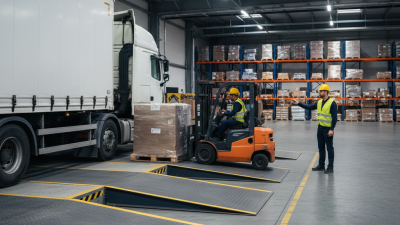
Choosing the right loading dock leveler is crucial for efficient logistics operations. A well-suited leveler enhances safety and productivity. With various options available, making an informed choice can be challenging.
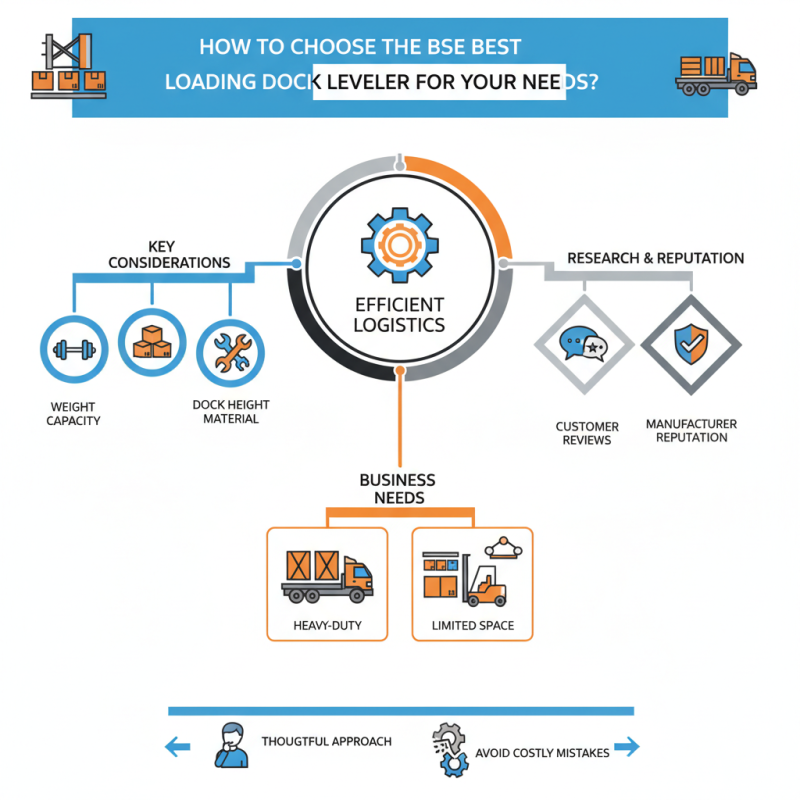
Considerations like weight capacity, dock height, and material play vital roles in selecting the best leveler. It's important to evaluate your specific needs and environment. For example, heavy-duty businesses may require a robust design to handle substantial loads. Meanwhile, operations in areas with limited space might prioritize compact models.
While many levelers claim to be the best, it's essential to research thoroughly. Customer reviews and expert opinions can provide valuable insights. Ensure the manufacturer has a good reputation in the industry. Selecting an inadequate loading dock leveler can lead to costly mistakes and operational delays. Reflect on your unique requirements, and don’t rush the decision-making process. A thoughtful approach can significantly impact your loading and unloading efficiency.
Understanding Different Types of Loading Dock Levelers Available in the Market
Choosing the right loading dock leveler involves understanding the various options available. Loading dock levelers come in several types, including hydraulic, pneumatic, and mechanically operated designs. Each type has distinct features, advantages, and limitations. For example, hydraulic levelers offer smooth operation and can handle heavier loads. Pneumatic models provide flexibility but may require more maintenance.
Tips: Consider the frequency of use when selecting a leveler. If your dock operates at high volumes, investing in a durable hydraulic model may be wise. Think about the types of vehicles you’ll be loading. An insufficient leveler can lead to inefficiencies and safety hazards.
Also, examine the installation space. If space is limited, a vertical storing leveler might be the best choice. Some dock environments might need levelers that can withstand harsh conditions. Reflect on your specific needs and any potential future changes to operations, as these could affect your choice.
Key Factors to Consider When Selecting a Loading Dock Leveler
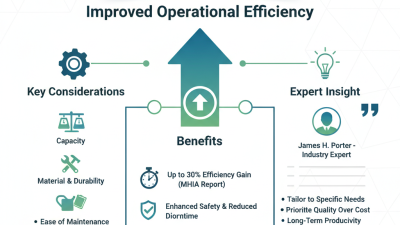
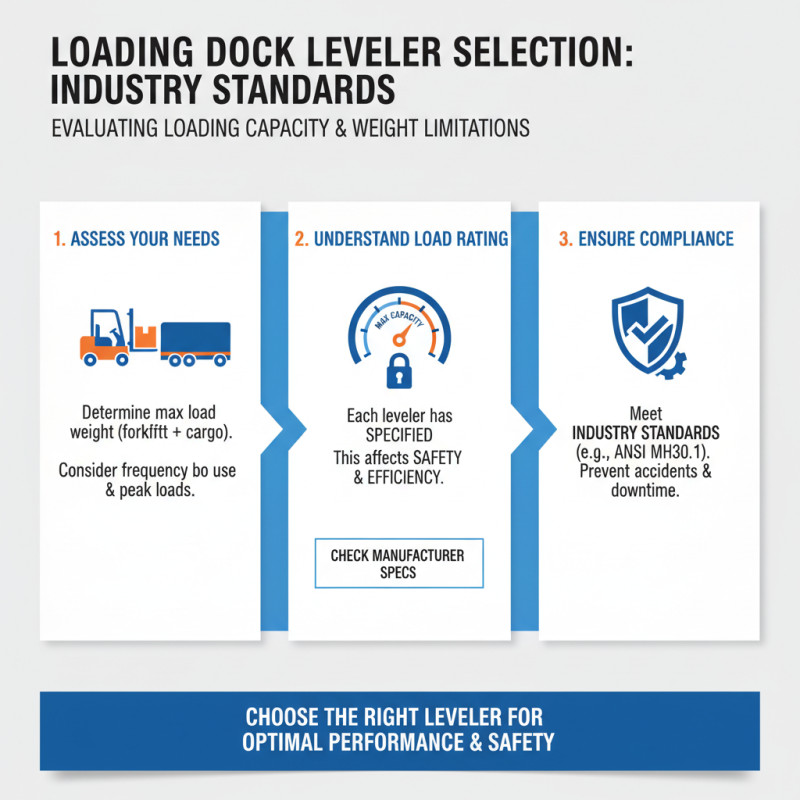
Choosing the right loading dock leveler is crucial for the efficiency of your operations. Start by considering the types of vehicles you will accommodate. The weight capacity matters. Overloading can lead to equipment failure. Understand the maximum load your dock will handle. This helps prevent accidents and delays.
Another key factor is the material of the leveler. Steel is durable, but aluminum is lightweight and resistant to corrosion. If you work in wet conditions, corrosion resistance is essential. Also, think about the maintenance routines. Some levelers require more upkeep than others. Regular checks can save costs in the long run.
Finally, assess the available space. A hydraulic leveler needs ample room for installation. Ensure you have enough clearance for operation. Don't overlook the ease of use. Complex systems may lead to operational errors. Simplicity can enhance efficiency but may come at a cost. Balancing these factors is vital for a successful selection.
Maintenance and Lifecycle Expectations for Loading Dock Levelers
When selecting a loading dock leveler, understanding maintenance and lifecycle is crucial. According to the National Association of Manufacturers, regular maintenance can extend the lifespan of loading dock equipment significantly. Typically, a well-maintained leveler can last 15-20 years. However, neglecting maintenance can reduce its life expectancy by up to 50%.
Routine checks should include inspecting the hydraulic systems, wear pads, and surface conditions. Small issues, if left unattended, can escalate into costly repairs. Implementing a maintenance schedule, based on manufacturer guidelines, is essential.
**Tip:** Allocate a budget for routine maintenance. It is often cheaper than dealing with unexpected breakdowns.
Users should be aware that artificial wear can occur through heavy usage or improper loading practices. Training staff on proper usage can reduce this risk. Ensure that all operators understand how to use levelers safely and efficiently.
**Tip:** Document all maintenance work. This practice helps in tracking issues and assessing the need for replacements more accurately.
Establishing a clear plan for lifecycle expectations ensures that the right leveler is chosen for the job. Seek expert advice when unsure, as every warehouse has unique demands.
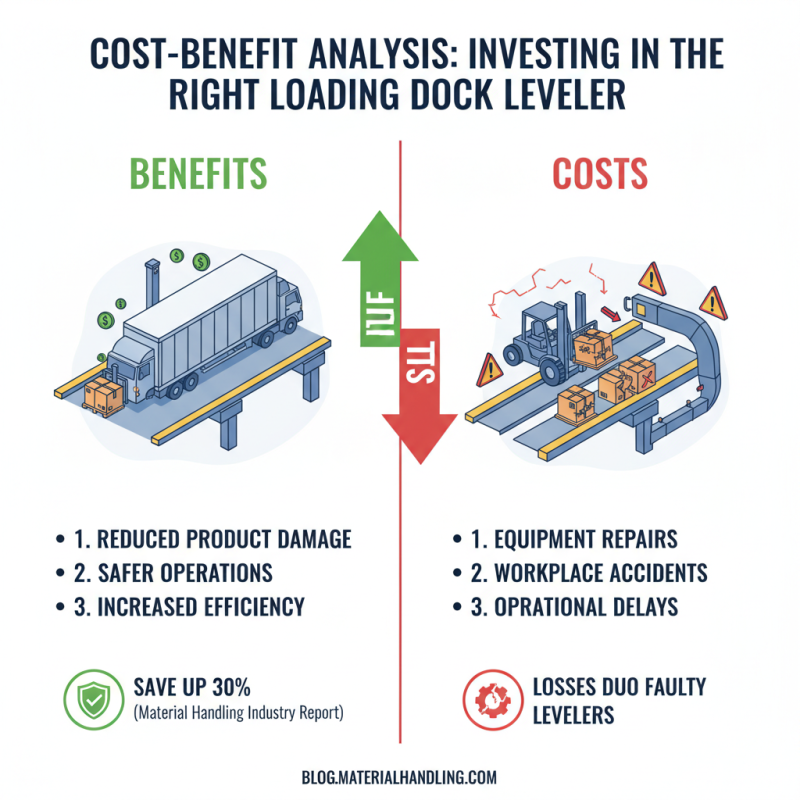
Cost-Benefit Analysis: Investing in the Right Loading Dock Leveler
Investing in the right loading dock leveler involves understanding its cost and benefits. According to a report from the Material Handling Industry, improper dock equipment can lead to increased operational costs. Misalignment during loading can damage products and equipment, leading to losses of up to 30% in some cases. Choosing faulty levelers could escalate these costs dramatically.
Maintenance and durability of docking equipment often impact long-term expenses. Research indicates that high-quality levelers generally have a lifespan of 15 years or more. If a business invests in a more robust leveler initially, it can save up to 50% on maintenance costs over time. This reflects the importance of selecting quality over price. Cheaper options might seem attractive, but they often lead to frequent repairs.
An insightful analysis of logistics providers revealed that businesses often overlook the true cost of downtime caused by faulty equipment. Companies reported losses averaging 2% of annual revenue due to inefficient loading solutions. Hence, when evaluating loading dock levelers, businesses should consider not only the upfront costs but also the potential for long-term savings and operational efficiency. The right choice can yield a significant return on investment.