How to Choose the Best Loading Dock Seals for Your Needs?
Choosing the right loading dock seals is crucial for any warehouse operation. These seals ensure energy efficiency, safety, and protection from the elements. Selecting the best fit for your needs requires careful consideration.
A good loading dock seal should provide a tight seal around the truck bed. This helps prevent air leaks and keeps out dirt and moisture. However, not all seals are created equal. They come in various sizes, materials, and designs. It’s important to match the seal to the specific requirements of your loading dock.
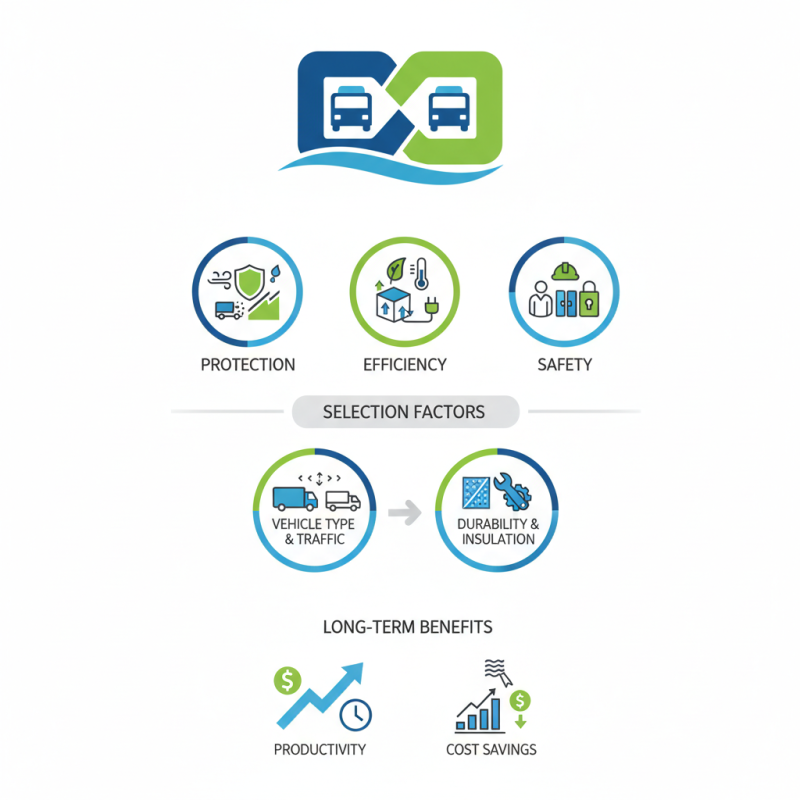
Evaluate the frequency of truck traffic and the types of vehicles used. Different operations may demand different levels of durability and insulation. Reflecting on these factors can lead you to a more informed choice. Investing time in research will pay off in long-term benefits, as high-quality loading dock seals can enhance productivity and reduce energy costs.
Factors to Consider When Selecting Loading Dock Seals
Choosing the right loading dock seals can significantly enhance operational efficiency. There are several critical factors to consider in this selection process. Firstly, the size of your dock opening is essential. Seals should fit snugly to prevent air leaks. Measure accurately to optimize energy savings and maintain a controlled environment.
Material is another vital aspect. Different environments may require various materials. For instance, tough rubber might suit high-traffic docks, while softer materials could be better for sensitive cargo. Think about durability. A seal that wears quickly can lead to extra costs.
Moreover, consider climate impacts. If you operate in an area with extreme temperatures, the seal's thermal efficiency is crucial. Test different options to find what works best. Don't overlook installation ease. Complicated setups can hinder productivity. Reflect on your specific needs and consistently seek improvement.
Different Types of Loading Dock Seals and Their Applications
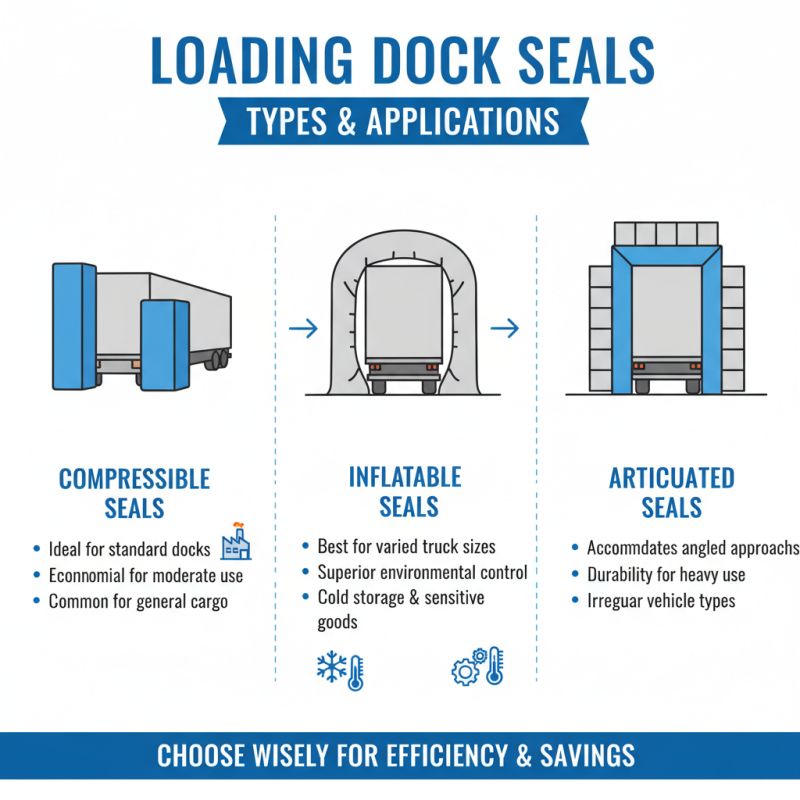
When choosing loading dock seals, understanding the various types can significantly impact efficiency. There are primarily three types: compressible seals, inflatable seals, and articulated seals. Each type serves specific applications, determined by factors like facility size, climate, and cargo types. According to industry reports, compressible seals are ideal for standard loading dock dimensions and are economical for moderate use cases.
Inflatable seals offer a successful solution for temperature-sensitive goods. They provide excellent sealing due to their adaptability to different truck heights. Reports indicate that they can maintain energy efficiency by preventing drafts. However, they may require more maintenance and monitoring than other types. Articulated seals are versatile, ideal for environments where there are frequent truck changes. These seals adjust well, but might need periodic replacement due to heavy wear, particularly in high-traffic areas.
In a survey of logistics firms, 75% reported that improper seal selection directly affected product integrity. Failure to choose the right seal can lead to increased costs and environmental concerns. Many businesses underestimate the long-term benefits of investing in quality seals. This oversight can lead to higher energy bills and spoilage losses. Evaluating these factors is crucial for making an informed choice in loading dock seals.
Material Choices for Loading Dock Seals: Pros and Cons
When selecting loading dock seals, material choice is critical. Different materials come with varying advantages and drawbacks. For instance, rubber seals are popular due to their durability. They withstand harsh weather conditions. However, rubber can be heavy and more challenging to install. This factor may lead to increased labor costs.
Vinyl is another option. It offers flexibility and ease of installation. This material is lighter and often more affordable. But, vinyl seals may not be as durable as rubber. They can wear down quicker, leading to more frequent replacements. Depending on your needs, this might not be the best long-term investment.
Foam seals offer good insulation. They create an effective barrier against air leaks. However, foam can compress over time. This compression may reduce its sealing effectiveness. It's crucial to weigh these considerations when choosing your loading dock seals. Each material has its strengths and weaknesses, requiring careful evaluation.
Evaluating Loading Dock Seal Performance and Durability
When choosing loading dock seals, performance and durability are critical factors to consider. A reliable seal needs to withstand the wear and tear of daily operations. This includes exposure to harsh weather conditions and frequent impacts from loading vehicles. Durability means not only material strength but also resistance to tearing and UV degradation. Assessing the thickness and type of materials used for construction can provide insight into longevity.
Another aspect to evaluate is the seal’s adaptability. A good loading dock seal should accommodate various truck sizes and shapes. Poor fit can lead to energy loss and increased maintenance costs. It's important to consider how easily seals can be replaced. Some designs may require complex installations, which can lead to downtime and operational delays. Regular inspections can help identify when seals begin to lose their effectiveness, prompting timely replacements.
A practical approach involves examining user experiences and expert recommendations. Gathering feedback from operators offers valuable insights into how seals perform in real-world settings. These insights can highlight the advantages and shortcomings of different options. Investing in high-quality loading dock seals can reduce costs in the long run. They enhance safety and efficiency, but the right choice depends on a clear understanding of operational needs and environment.
How to Choose the Best Loading Dock Seals for Your Needs? - Evaluating Loading Dock Seal Performance and Durability
| Seal Type |
Material |
Performance Rating |
Durability (Years) |
Weather Resistance |
Cost ($) |
| Inflatable Seal |
Vinyl |
High |
10 |
Excellent |
1500 |
| Foam Seal |
Polyurethane |
Medium |
7 |
Good |
800 |
| Rigid Seal |
Aluminum |
Low |
15 |
Fair |
1000 |
| Retractable Seal |
Rubber |
High |
12 |
Excellent |
1800 |
Installation and Maintenance Tips for Loading Dock Seals
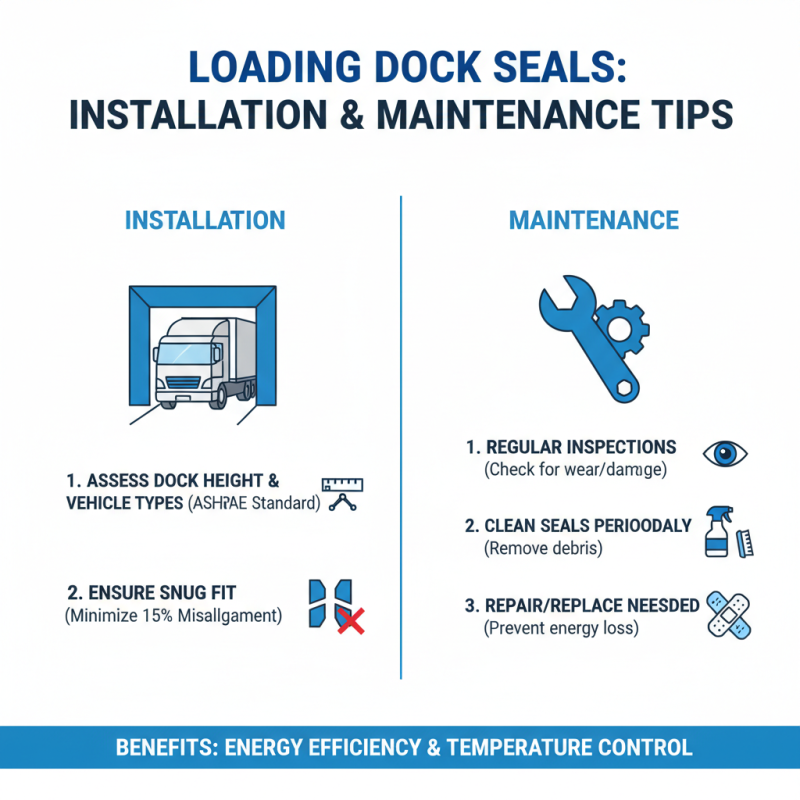
When selecting loading dock seals, installation and maintenance are crucial factors. Proper installation begins with assessing dock height and the type of vehicles that will use the dock. According to the American Society of Heating, Refrigerating and Air-Conditioning Engineers (ASHRAE), a 15% misalignment can lead to increased energy loss and compromised temperature control in warehouses. Ensuring a snug fit of seals can minimize gaps and enhance energy efficiency.
Routine maintenance is essential for longevity. The U.S. Department of Energy recommends inspecting seals at least quarterly. Check for wear and tear, such as fraying or deterioration. A worn seal can lose up to 30% of its insulating capacity. Regular cleaning and minor repairs can prevent larger issues. Documenting your maintenance schedule can help track performance and identify patterns that may need addressing.
While following best practices is vital, challenges can arise. For instance, seals may become damaged by frequent shifts in temperature. Additionally, employees might overlook routine checks, decreasing the overall effectiveness of the seals. Therefore, training staff about the importance of these checks can help maintain optimal performance. Awareness of the common pitfalls in maintaining loading dock seals can significantly enhance their effectiveness and durability.