Top 10 Essential Features of Loading Docks for Efficient Operations
Loading docks play a vital role in the logistics of any business. They are the gateways for incoming and outgoing shipments. The efficiency of loading docks can significantly impact overall operational performance. When designed well, loading docks enhance productivity and safety.
Each loading dock feature contributes to smoother operations. For example, proper dock height ensures trucks can load and unload without delays. Automated systems can help reduce manual labor but may also pose challenges. It's essential to assess how these systems integrate with existing procedures.
Investing in the right equipment and layout can improve efficiency. However, not every design works for every business. Some may find their docks lacking vital features. This can lead to bottlenecks and frustrations. Reflecting on current dock functionalities is crucial for improvement.
Importance of Loading Docks in Supply Chain Efficiency
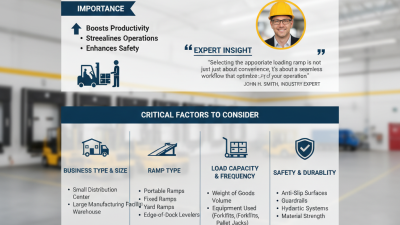
Loading docks play a vital role in supply chain efficiency. They serve as the crucial interface
between transportation and storage. A well-designed loading dock can reduce wait times significantly.
Delays at this stage can ripple through the entire supply chain. Inefficiencies lead to increased costs and frustrated customers.
It's essential to consider how easy it is for trucks to maneuver in and out.
Features like dock levelers and shelters enhance efficiency. They minimize the gap between dock and vehicle, speeding up
loading and unloading. However, not all loading docks have these features. Some remain outdated, leading to wasted time
and resources. With more businesses relying on just-in-time inventory, efficient loading docks are more important than ever.
Unloaded freight sitting on a dock is lost revenue.
Proper maintenance of loading docks is another critical factor. Regular inspections help identify hazards and operational issues.
Ignoring maintenance can lead to costly repairs and even injuries.
Training staff on effective loading dock practices is equally important.
Training creates awareness about safety and efficiency. However, many companies overlook the need for ongoing training.
This gap can hinder overall performance in the supply chain.
Key Design Elements for Optimal Loading Dock Operations
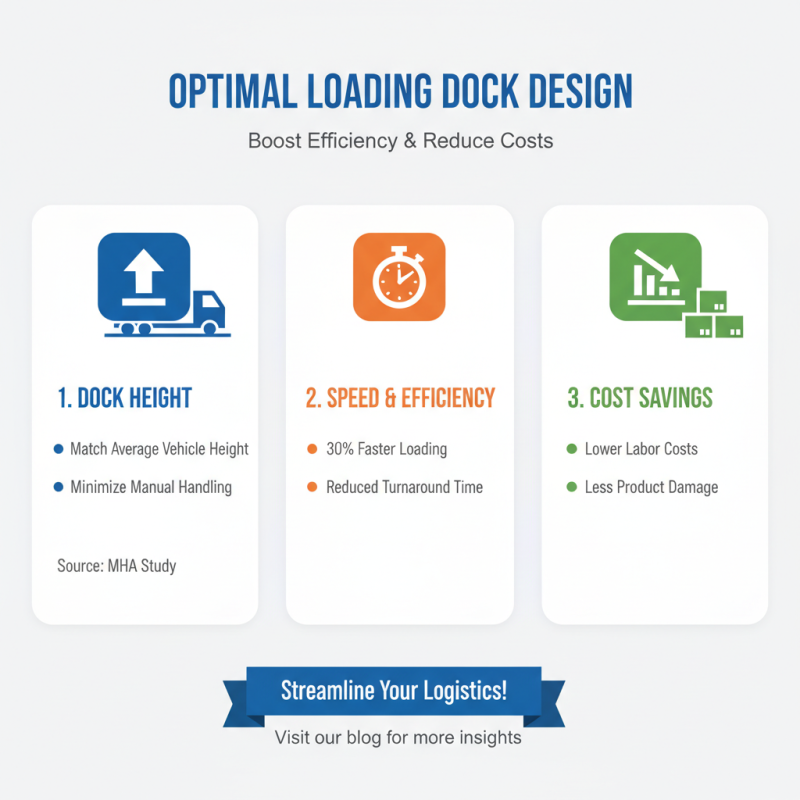
Effective loading dock operations hinge on thoughtful design elements. One critical feature is the loading dock height. Ideally, it should match the average height of delivery vehicles to minimize manual handling. A study by the Material Handling Industry of America suggests that optimizing dock height can reduce loading times by 30%.
Another essential element is proper illumination. Bright, even lighting decreases the likelihood of accidents and improves productivity. Nearly 40% of dock-related injuries stem from poor visibility, according to the Occupational Safety and Health Administration. Additionally, incorporating safety barriers and dock-leveling systems enhances worker safety. Often overlooked, these features can prevent costly accidents and downtime.
Moreover, space management is vital. Many facilities face constraints with dock space. Overcrowded docks can lead to inefficiencies and delayed operations. A well-organized dock layout can significantly cut wait times. Studies show that organized docks can increase throughput by up to 20%. However, achieving this requires regular feedback and adjustments to the layout as operational needs evolve.
Safety Protocols and Compliance Standards for Loading Docks
Loading docks play a crucial role in supply chain efficiency.
Safety protocols are essential for protecting workers and ensuring compliance.
According to the Occupational Safety and Health Administration (OSHA), nearly 25% of all workplace injuries are related to loading docks. Proper training and safety measures can significantly reduce these statistics.
Implementing a few safety guidelines is vital. For instance, visible signage can help direct traffic and prevent accidents. Regular inspections of dock equipment can identify potential hazards. Equipment failures can lead to costly downtime. Unexpected failures can disrupt operations and create safety risks.
Tips: Establish a routine safety training program. Workers should be familiar with equipment use and emergency protocols. Consider using technology for monitoring safety compliance. Auditing dock operations can pinpoint areas for improvement. By doing this, companies can enhance safety while boosting overall efficiency. Always be proactive rather than reactive.
Technology Innovations Enhancing Loading Dock Functionality
In the fast-paced world of logistics, loading docks are pivotal for smooth operations.
Recent studies indicate that efficiency at loading docks can increase throughput by approximately 25%.
Technology innovations are driving this change. Automated systems streamline the unloading process, reducing wait times for trucks.
Advanced sensors monitor dock conditions, enhancing safety and preventing accidents.
Equipment like dock levelers are now integrated with smart technology. This allows real-time adjustments for various truck heights.
Leveraging predictive analytics, operations can forecast peak times, leading to better scheduling.
These advancements minimize downtime and maximize labor usage.
A compelling report from the Warehousing and Logistics Association shows that adopting such technologies can result in a
30% reduction in operational costs.
Tips: Regularly assess your dock's performance metrics. Implement a continuous improvement plan that embraces technology.
Monitor how new tools affect workflow. Reflect on the challenges that arise with these innovations. Some may require additional training,
which is crucial for maximizing benefits. Embracing change can be daunting, yet essential for staying competitive.
Best Practices for Maintenance and Management of Loading Docks
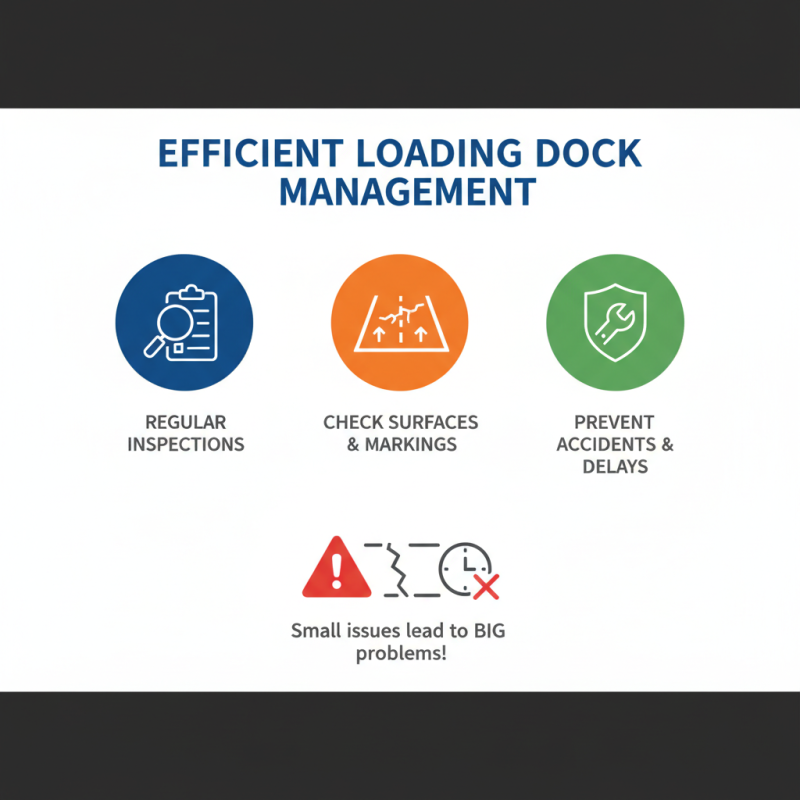
Maintaining an efficient loading dock requires a focused approach to management and upkeep. Regular inspections are crucial. Check surfaces for damage and ensure clear markings and signage. It’s easy to overlook small cracks or stains, but these can lead to larger issues. Poorly maintained docks may result in accidents or delays.
Employee training should include safety protocols. Workers need to understand dock equipment, such as lifts and levelers. If they are unsure how to operate these tools, it could cause injuries or property damage. Frequent training refreshers are advisable. Encourage team feedback about dock operations. Their insights can highlight areas that need improvement.
Also, consider the environmental impact. Keeping the area clean is essential, but it’s not just about aesthetics. Waste management systems can minimize clutter and potential hazards. However, many facilities struggle with this. Implement a sorting system to properly dispose of materials. An organized loading dock improves efficiency, yet, it is often neglected. Reflections on current practices can guide enhancements.