2025 Top Dock Leveler Trends and Essential Features You Need to Know
As businesses continue to evolve in the rapidly changing logistics landscape, dock levelers have emerged as a crucial component in enhancing loading and unloading efficiency. According to a recent report by the Material Handling Industry (MHI), the demand for advanced loading dock solutions is expected to grow significantly, with predictions indicating a market expansion of approximately 5.8% annually through 2025. This trend underlines the increasing focus on optimizing warehouse operations and minimizing downtime, which are essential for maintaining competitive advantage.
In light of these developments, understanding the key trends and essential features of dock levelers becomes imperative for industry stakeholders. The latest technological advancements, such as automatic leveling systems, smart sensors, and enhanced safety mechanisms, not only improve operational effectiveness but also contribute to worker safety and equipment longevity. Furthermore, a report by the International Journal of Logistics Management highlights the importance of integrating innovative designs that accommodate various vehicle sizes and weight capacities, ensuring that facilities can adapt to diverse logistical challenges.
As we delve into the top dock leveler trends for 2025, it is essential to consider how these features can align with overarching goals of efficiency, safety, and sustainability in the logistics sector. By staying informed about these evolving technologies, businesses can make strategic investments that optimize their operations and enhance their overall supply chain performance.
2025 Dock Leveler Trends: A Comprehensive Overview
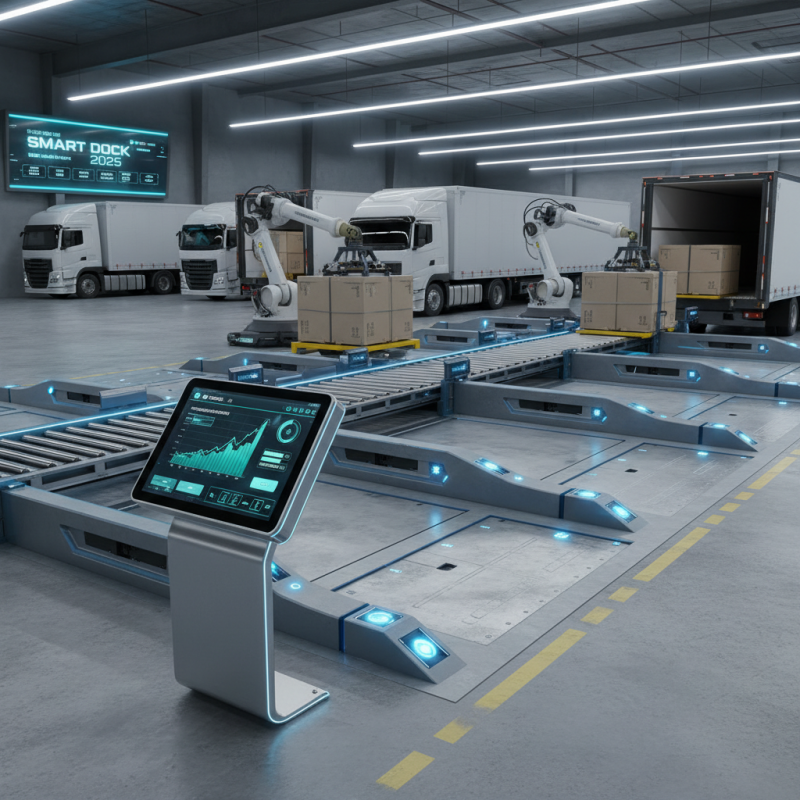
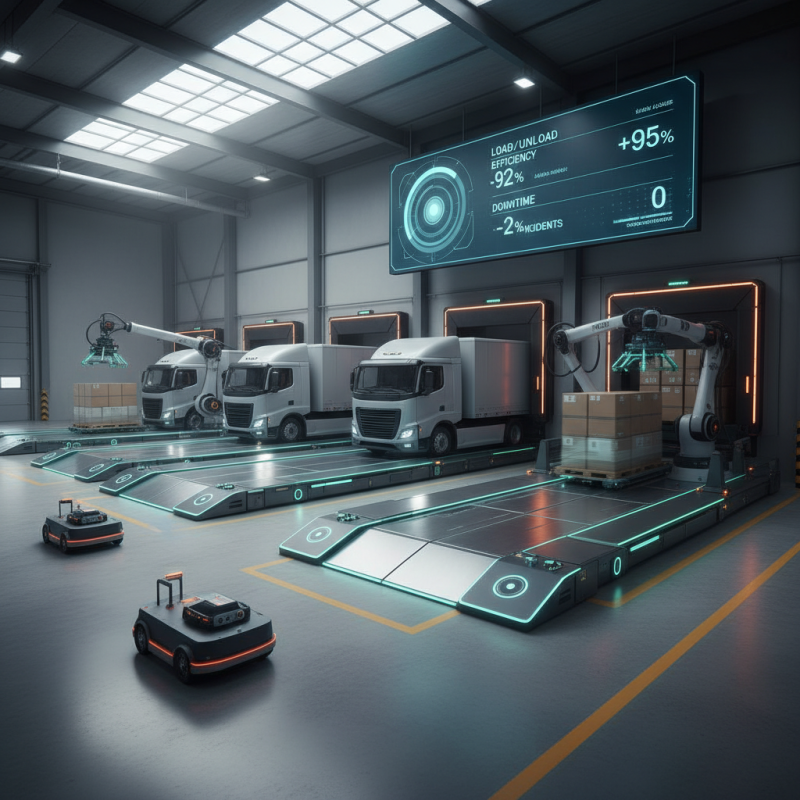
As we look toward 2025, the trends in dock levelers reveal a significant evolution in design and functionality aimed at enhancing operational efficiency and safety in logistics and transportation sectors. One of the prominent trends is the increased integration of smart technology. Dock levelers are now being equipped with sensors and automated controls that provide real-time data, allowing operators to monitor performance and adjust settings remotely. This technology reduces the risk of human error and enhances the precision of loading and unloading processes.
Furthermore, sustainability has become a key focus in the design of dock levelers. Manufacturers are prioritizing eco-friendly materials and energy-efficient systems to meet the growing demand for sustainable practices in industrial operations. Features such as recyclable components, energy-saving hydraulic systems, and low-emission products are becoming essential. Additionally, the need for easy maintenance and longevity is driving innovations in materials used for construction, ensuring that dock levelers not only remain functional but are also robust enough to withstand heavy usage over time. This comprehensive overview of trends points to a future where dock levelers are smarter, more efficient, and environmentally responsible.
Key Features of Modern Dock Levelers in 2025
In 2025, modern dock levelers are evolving to meet the demands of efficient logistics and safety standards. One of the key features of these levelers is their enhanced automation capabilities. With advancements in smart technology, dock levelers can now integrate seamlessly with warehouse management systems. This allows for real-time monitoring and adjustments, ensuring that goods are loaded and unloaded with maximum efficiency and minimal risk. The ability to automate the leveling process not only speeds up operations but also reduces the physical strain on workers.
Another essential feature of contemporary dock levelers is their focus on safety and durability. Manufacturers are now utilizing advanced materials that can withstand high-impact loads and resist wear and tear. In addition, safety mechanisms such as anti-slip surfaces, integrated lights, and audible alarms have become standard, greatly reducing the risk of accidents during loading operations. Furthermore, many models now support adjustable height options, accommodating a wider range of vehicle heights and minimizing the potential for falls or injuries. As logistics continue to evolve, these features position modern dock levelers as indispensable assets in maintaining safe and efficient supply chains.
Impact of Automation on Dock Leveler Efficiency
The impact of automation on dock leveler efficiency has become increasingly significant as industries seek to optimize their operations. Automated dock levelers streamline the loading and unloading processes by reducing the manual labor required, leading to faster turnaround times for shipments. This technology allows for seamless adjustments to varying trailer heights, ensuring a safe and efficient transfer of goods. With sensors and smart controls in place, automated systems can adapt in real-time, minimizing the risk of human error and enhancing overall workplace safety.
Moreover, the integration of automation contributes to better energy management and reduced maintenance costs. By utilizing advanced monitoring systems, companies can track the performance of their dock levelers, identifying potential issues before they escalate into costly repairs. Predictive maintenance features can notify operators of upcoming service needs, ensuring that the equipment is always in optimal working condition. As a result, automated dock levelers not only improve efficiency but also extend the lifespan of equipment, making them a crucial investment for warehouses aiming to increase productivity in a competitive market.
Dock Leveler Efficiency Trends (2023-2025)
Safety Standards and Innovations in Dock Levelers
In recent years, the safety standards for dock levelers have evolved significantly, driven by technological advancements and industry regulations. A report from the Material Handling Industry (MHI) indicates that nearly 15% of workplace injuries occur during loading and unloading operations, making safety enhancements a top priority. Innovations such as integrated safety sensors and automatic locking systems are becoming standard features in modern dock levelers. These technologies not only reduce the risk of accidents but also ensure compliance with stringent regulations set forth by OSHA and ANSI.
Tip: Regular maintenance and checks on dock levelers can enhance safety. Ensure that all safety devices are functioning properly and perform routine inspections to identify potential issues before they become hazards.
Further emphasizing safety, many manufacturers are adopting ergonomic designs that minimize the strain on workers during loading and unloading processes. Studies suggest that ergonomic improvements can lead to a 25% reduction in manual handling injuries. This trend highlights the importance of not just compliance with existing safety standards but also a proactive approach to workplace well-being. Continuous investment in innovation, such as the use of lightweight materials and smart technology, is essential for creating safe and efficient loading environments.
Tip: Train employees on the proper use of dock levelers, focusing on safety protocols and best practices to reinforce a culture of safety in the workplace.
2025 Top Dock Leveler Trends and Essential Features You Need to Know
| Trend/Feature |
Description |
Safety Standard |
Innovation |
| Smart Dock Levelers |
Integration with sensors for monitoring and automation. |
OSHA Compliance |
Remote control capabilities. |
| Ergonomic Designs |
Features that minimize strain on workers during operation. |
ANSI / ARA Standards |
Adjustable height options. |
| Durable Materials |
Use of high-strength, corrosion-resistant materials. |
ISO 9001 Certification |
Innovative coatings for longevity. |
| Enhanced Safety Features |
Safety edges and emergency stop controls. |
ANSI B56 Safety Standards |
Automatic shutdown systems. |
| Energy Efficiency |
Features designed to reduce energy consumption. |
LEED Certification |
Solar-powered options. |
Sustainability Practices in Dock Leveler Design and Use
As the demand for sustainability continues to grow, the design and use of dock levelers have evolved to incorporate environmentally friendly practices.
One of the key trends is the integration of recyclable materials in the manufacturing process. By utilizing materials that can be repurposed at the end of the product's life cycle, manufacturers are reducing waste and minimizing their ecological footprint. This shift not only helps in conserving natural resources but also appeals to businesses looking to enhance their sustainability initiatives.
Additionally, energy efficiency is becoming a pivotal aspect of dock leveler design. Innovations such as hydraulic systems that consume less energy, as well as smart technology that monitors usage patterns, contribute to a decrease in overall environmental impact. These advancements not only lower operational costs for businesses but also align with the growing regulatory pressures around emissions and energy consumption. Through these sustainable practices, dock levelers are not just functional equipment; they are integral components in the quest for greener logistics and supply chain management.