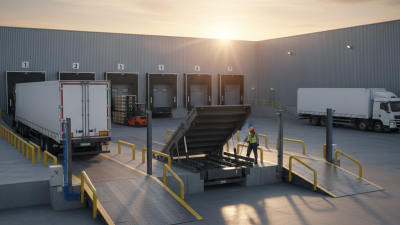
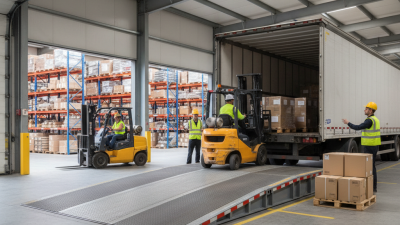
7 Tips to Find the Best Dock Levelers for Sale?
Choosing among dock levelers for sale is not a simple price comparison. The right model must handle trailer heights, load weights, traffic frequency, and site conditions without creating hidden risks. A leveler that looks suitable on paper may struggle when forklifts cross it hundreds of times each day.
Industry evidence supports a careful approach. MHI’s 2024 Annual Industry Report identifies labor pressure, productivity demands, and technology investment as major supply chain concerns. These pressures make reliable loading equipment increasingly important. The U.S. Occupational Safety and Health Administration also emphasizes safe dockboard operation, proper capacity ratings, secure positioning, and routine inspection under its material-handling requirements. Small oversights matter. A damaged lip or uneven approach can delay a truck and expose workers to serious hazards.
This guide presents seven practical tips for evaluating dock levelers for sale. It considers mechanical, hydraulic, and air-powered designs, along with capacity, maintenance access, weather exposure, and compatibility with dock height. Real purchasing decisions are rarely perfect. Budget limits, aging concrete, and inconsistent trailer fleets can complicate the choice. That is why specifications should be checked against actual loading records, not assumptions.
Look beyond the sticker price. Compare lifecycle costs, service support, warranty terms, and replacement-part availability. A dependable leveler should feel stable under a loaded forklift, align smoothly with trailers, and remain serviceable after years of demanding use. That standard may require more research, but it can prevent expensive interruptions later.
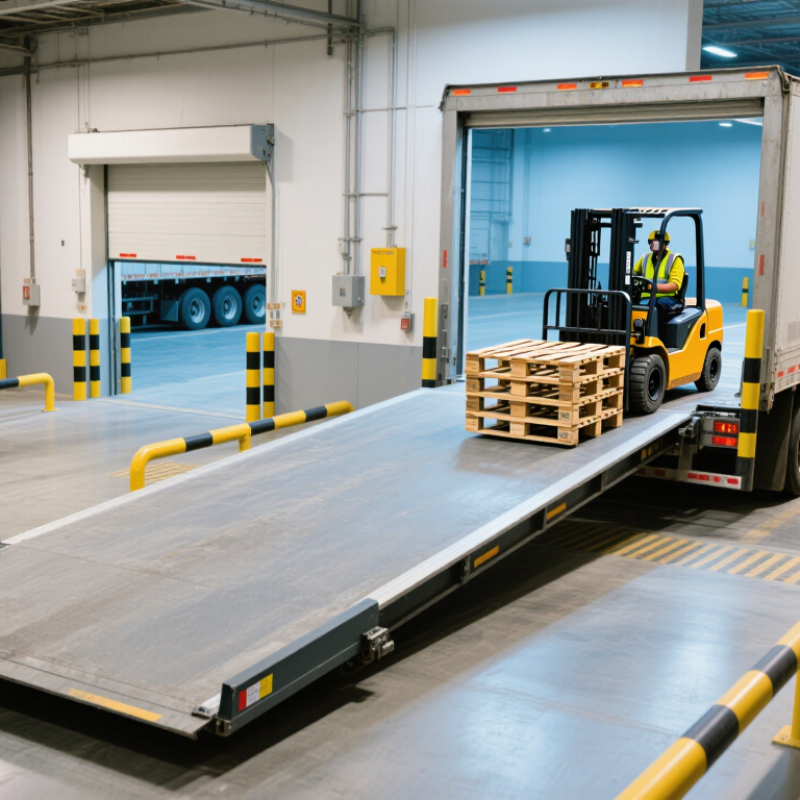
Understanding Dock Leveler Types and Their Applications
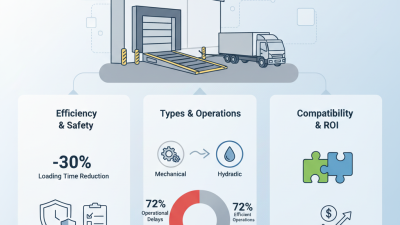
Choosing the best dock levelers for sale starts with understanding their types and applications. Mechanical levelers use springs and a pull chain, making them practical for moderate loading activity. Hydraulic models use powered cylinders for smoother operation and heavier daily traffic. They cost more, but their control can reduce impact on forklifts and trailers.
Edge-of-dock levelers fit facilities without a deep pit. They suit smaller warehouses with limited construction budgets. Vertical-storing levelers stand upright when closed, helping maintain cooler temperatures and improve sanitation. They work well in food, pharmaceutical, and temperature-controlled facilities. Consider the load rating, platform width, lip length, and dock height range. Measure carefully.
Small errors matter. A leveler must match both the trailer bed and forklift route. Frequent rain may require corrosion-resistant materials and protected controls. High-volume sites need durable hinges, replaceable bumpers, and accessible maintenance points. Ask how often parts need inspection. That question is often missed. Safety features, such as lip support and controlled descent, also deserve close attention. In practice, the cheapest unit may create higher repair costs later. Review traffic patterns, installation conditions, and operator habits before comparing final prices.
Assessing Load Capacity, Platform Size, and Dock Compatibility
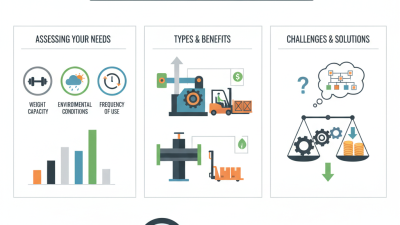
When searching for dock levelers for sale, start with the loads your facility handles daily. Check the combined weight of forklifts, pallets, and goods, not just the vehicle weight. Add a sensible safety margin for uneven loading and occasional heavier shipments. A leveler rated too close to its limit may flex, wear quickly, or create unstable transitions. Ask for documented capacity ratings and maintenance requirements. Guessing is expensive.
Tip 1:
Measure the platform opening carefully. The platform should support normal forklift wheel paths without restricting movement. A narrow deck may force awkward turns, while an oversized platform can interfere with nearby doors or bumpers. Measure pit width, length, height, and lip extension. I once saw a suitable-looking unit rejected because the lip stopped short of the trailer floor. Small details matter.
Tip 2:
Match the leveler to your dock design and traffic pattern. Confirm the required operating range, hinge clearance, pit depth, and trailer heights. Mechanical, hydraulic, and air-powered systems may suit different maintenance capabilities. Review floor condition and drainage before ordering.
Tip 3:
Observe real operations during busy periods. A specification sheet cannot show every alignment problem. Speak with operators about noise, control placement, and repeated impact points. My own assessment was incomplete when I measured only an empty dock. Recheck with loaded equipment.
Comparing Safety Features, Durability, and Operating Methods
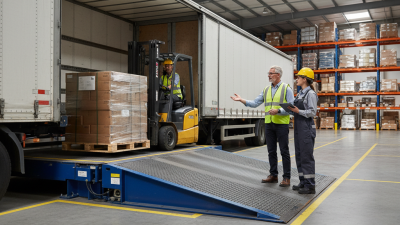
Finding the best dock leveler for sale starts with the loading routine, not the catalog price. In warehouse inspections, I check the trailer gap, deck height, and expected vehicle mix. A leveler should match the heaviest planned load, with a sensible safety margin. Look for a lip that seats securely on the trailer bed. Side guards, warning markings, and accessible emergency stops deserve equal attention. Small details matter. A smooth transition reduces pallet-jack jolts and operator strain.
Durability depends on more than thick steel. Inspect the hinge area, weld quality, corrosion protection, and replaceable wear components. Ask how the platform handles repeated forklift impacts. A documented inspection schedule provides useful evidence of responsible engineering. However, capacity ratings can be misunderstood. High capacity does not excuse poor installation or overloaded vehicles. I have seen neglected hinges turn a reliable unit into a noisy, uneven crossing. That failure was preventable, but not obvious during the first purchase review.
Compare operating methods with your staff and climate. Mechanical models work well where power access is limited, but they require careful manual handling. Hydraulic units offer controlled movement, yet hoses and seals need regular inspection. Air-powered systems may suit certain facilities, although compressor reliability becomes part of the safety plan. Test controls while wearing normal work gloves. Confirm that operators can see the lip and stop movement quickly. Request maintenance records, training guidance, and load-test documentation before buying. Do not rely on a polished brochure alone.
Evaluating Installation Needs, Maintenance, and Long-Term Costs
When comparing dock levelers for sale, begin with the installation site, not the catalog price. Measure pit width, deck length, lip projection, truck heights, and floor condition. OSHA 29 CFR 1910.26 requires dockboards to handle intended loads and resist movement. That makes load rating and secure anchoring practical safety checks, not paperwork.
Allow for installation downtime. A hydraulic leveler may suit busy facilities, while a mechanical model can reduce electrical dependence. Ask whether the pit needs welding, concrete repair, drainage work, or new bumpers. Specify corrosion-resistant parts near washdown areas. Confirm the full working range, rated capacity, lip storage position, and emergency stop access. Small details matter.
Maintenance can quietly dominate long-term cost. Request inspection intervals, spare-part prices, technician response times, and training materials. Check hinges, cylinders, springs, welds, and safety restraints during site visits. A 2024 MHI industry report found that 55% of surveyed supply-chain professionals expected to increase technology investment. That supports budgeting for condition monitoring, though smaller sites may not recover its cost. Calculate purchase, installation, energy, repairs, downtime, and replacement value over ten years. The lowest quote can age badly. A useful review should also challenge its own assumptions. Use actual loading records, not optimistic forecasts.
7 Tips to Find the Best Dock Levelers for Sale: Installation, Maintenance, and Long-Term Costs
Benchmark comparison of estimated first-year installation cost and cumulative maintenance cost over 10 years for common dock leveler configurations. Actual costs vary by capacity, pit dimensions, site conditions, labor rates, usage intensity, and local regulations. Hydraulic systems generally require higher upfront investment, while mechanical systems may involve more frequent manual servicing.
Selecting Reliable Suppliers and Comparing Dock Levelers for Sale
7 Tips to Find the Best Dock Levelers for Sale
Selecting a dependable supplier matters as much as choosing the dock leveler itself. MHI’s 2024 Annual Industry Report surveyed more than 1,000 supply-chain professionals. It found that 55% planned to increase technology investment. This signals a broader need for safer, more efficient material-handling equipment. Ask suppliers for load ratings, platform dimensions, operating cycles, and maintenance records. Request test certificates, installation details, and clear warranty terms. Vague answers are warning signs.
Compare dock levelers for sale under identical conditions. Hydraulic models may suit busy facilities requiring smooth, frequent operation. Mechanical models can provide simpler servicing and lower initial costs. Consider trailer heights, forklift weights, pit dimensions, and daily traffic. The wrong capacity can create impact damage. It can also slow loading work. OSHA identifies loading docks as areas requiring protection from falls, vehicle movement, and struck-by hazards. Supplier training should address these risks, not only product features.
FM Global guidance also emphasizes controlling loading-dock exposures through proper design, maintenance, and operating procedures. Visit an installed site when possible. Watch how the lip meets a trailer bed. Listen for unusual movement. Small details matter. I have seen buyers focus too heavily on price and overlook drainage, lighting, or replacement-part access. That decision often looks reasonable on paper, but not after months of hard use. Compare total ownership cost, response time, local technicians, and documented service performance before signing.