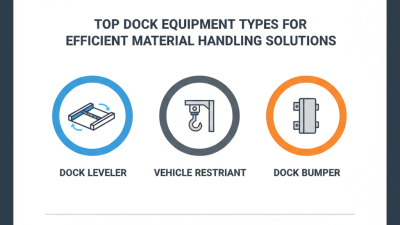
| Hydraulic Dock Leveler |
High-frequency loading bays requiring powered adjustment between the dock and vehicle bed. |
- Structural steel grade and documented plate thickness
- Weld quality, platform deflection, and hinge durability
- Hydraulic-cylinder sealing and hose protection
- Rated capacity suitable for forklift and pallet loads
|
- Automatic or manual maintenance struts
- Vehicle restraints or traffic-light interlock
- Emergency stop and controlled platform descent
- Toe guards and protection against unintended movement
|
EN 1398 for dock levellers; applicable machinery, electrical, and workplace-safety requirements in the destination market.
|
- Load test and functional test report
- Hydraulic pressure and leakage test
- Welding inspection records
- Electrical schematic and user manual
- Material and coating specifications
|
Service life depends mainly on cycles per day, impact loading, corrosion exposure, hydraulic maintenance, and replacement-part availability.
|
Critical |
| Mechanical Dock Leveler |
Medium-use facilities seeking a lower-complexity solution without hydraulic power. |
- Reliable spring, lip, and counterbalance mechanism
- Uniform platform movement throughout the operating range
- Robust hinges and protected mechanical components
- Platform and lip capacity clearly identified
|
- Maintenance support mechanism
- Anti-runaway or controlled-return mechanism
- Safe operating handles and pinch-point warnings
- Clear instructions for vehicle positioning
|
EN 1398 where applicable; local machinery-safety and workplace-access requirements.
|
- Cycle test and rated-load test
- Dimensional inspection report
- Operation and maintenance instructions
- Coating, corrosion, and weld documentation
|
Mechanical wear at springs, hinges, lip edges, and operating chains should be included in the maintenance plan.
|
High |
| Air-Powered Dock Leveler |
Facilities requiring low-maintenance actuation and a clean operating environment. |
- Blower performance and pressure stability
- Platform stiffness and airtight air-bag construction
- Motor enclosure and control-panel quality
- Resistance to temperature and humidity conditions
|
- Controlled lowering during power loss
- Emergency stop and safe access for maintenance
- Protection from platform over-travel
- Electrical grounding and overload protection
|
EN 1398 where applicable; IEC or equivalent electrical-safety requirements for the installed voltage system.
|
- Air-pressure and leakage test
- Electrical safety and insulation test
- Power-consumption data
- Emergency-operation test
|
Air bags, blowers, seals, and control components should have defined replacement intervals and documented spare-part availability.
|
High |
| Vehicle Restraint System |
Preventing unintended trailer movement or premature departure during loading and unloading. |
- Rated restraint force and hook or barrier strength
- Corrosion-resistant construction
- Reliable sensor and control logic
- Compatibility with common trailer configurations
|
- Red/green traffic-light communication
- Dock-leveler interlock where required
- Audible warning and failure indication
- Manual override with controlled authorization
|
Applicable local loading-dock safety rules; OSHA material-handling provisions or equivalent requirements may apply in the destination market.
|
- Restraint-force test
- Sensor and interlock verification
- Control-panel wiring diagram
- Failure-mode and emergency-release procedure
|
Sensors, switches, warning lights, and exposed restraint surfaces require periodic inspection and replacement planning.
|
Critical |
| Dock Bumpers |
Absorbing impact between reversing vehicles and the loading-bay structure. |
- Energy absorption and compression recovery
- Uniform rubber or polymer density
- Correct mounting-plate thickness and anchor pattern
- Resistance to abrasion, ozone, oil, and weathering
|
- Projection sufficient to protect the building face
- Secure anchors and backing structure
- No exposed sharp edges or loose components
- Visibility markings where required by site rules
|
Applicable building and loading-dock design requirements; material testing may reference relevant ASTM or ISO rubber and polymer test methods.
|
- Compression and recovery data
- Material specification and hardness report
- Dimensional and anchor inspection
- Weathering or abrasion test data when relevant
|
Replacement frequency is affected by vehicle impact frequency, climate, material hardness, and mounting conditions.
|
High |
| Dock Shelter |
Sealing the gap between the building and trailer to reduce drafts, dust, pests, and energy loss. |
- Fabric tear strength and UV resistance
- Frame rigidity and corrosion protection
- Consistent compression against different trailer sizes
- Replaceable curtains, pads, or seals
|
- Clear sightlines for drivers and dock personnel
- No obstruction to trailer doors or dock equipment
- Safe breakaway or flexible design where required
- Secure fasteners and protected edges
|
Applicable fire, building, energy, and workplace-safety requirements in the installation location.
|
- Fabric composition and flame-performance information
- Dimensional installation drawings
- Wind and weather-resistance data
- Replacement-component list
|
Curtains and wear pads are consumable components; exposure to sunlight, temperature changes, and vehicle contact accelerates wear.
|
Medium |
| Dock Door and High-Speed Door |
Controlling access, improving security, and separating internal and external operating environments. |
- Cycle-rated motor, guides, curtain, and hardware
- Reliable balancing and smooth travel
- Weather sealing and resistance to repeated impact
- Control-panel quality and spare-part compatibility
|
- Photoelectric sensors and safety edges
- Manual emergency opening
- Obstacle detection and automatic reversal
- Visible warning signs and guarded moving parts
|
EN 12453 and EN 12424 may be relevant for powered doors; local electrical and machinery-safety rules must also be checked.
|
- Cycle test and opening-speed data
- Safety-edge and photocell test
- Electrical drawings and conformity documentation
- Wind-load and thermal-performance data when applicable
|
High-cycle applications require scheduled inspections of guides, rollers, motors, controls, safety sensors, and bottom edges.
|
Critical |
| Dock Light and Loading-Bay Lighting |
Improving visibility inside trailers and around the dock face during loading operations. |
- Impact-resistant housing and flexible arm construction
- Suitable illumination level and beam coverage
- Ingress protection appropriate to the environment
- Stable electrical performance and low heat generation
|
- Protected wiring and grounded metal parts
- Switch location away from vehicle impact zones
- Glare control for drivers and forklift operators
- Safe maintenance access
|
Applicable IEC or equivalent electrical-safety requirements; local workplace-lighting requirements should be verified.
|
- Electrical safety and insulation test
- Ingress-protection rating evidence
- Illuminance measurement
- Photometric and energy-consumption data
|
LED modules, drivers, switches, and flexible arms should be replaceable without removing major dock structures.
|
Medium |
| Dock Safety Signaling System |
Coordinating drivers, forklift operators, pedestrians, and loading-dock equipment. |
- Clearly visible indicators in daylight and low light
- Reliable control logic and communication wiring
- Weather-resistant housings where installed outdoors
- Compatibility with restraint and door interlocks
|
- Distinct red, green, and warning indications
- Audible alerts where appropriate
- Fail-safe or fault-indication behavior
- Emergency stop and manual recovery procedures
|
Applicable local workplace-safety, electrical, and machinery-control requirements.
|
- Functional and interlock test report
- Control logic description
- Electrical schematic and terminal schedule
- Environmental and ingress-protection data
|
Indicators and sensors should be inspected regularly because a failed signal can create a direct vehicle and personnel hazard.
|
Critical |
| Dock Control Panel |
Operating levelers, doors, restraints, lights, and warning systems from a centralized interface. |
- Industrial-grade enclosure and labeled components
- Logical button layout and clear status indication
- Protection against moisture, dust, and impact
- Documented voltage, current, and component ratings
|
- Emergency stop and overload protection
- Interlocks preventing unsafe operating sequences
- Protected terminals and proper grounding
- Lockable access for authorized maintenance
|
IEC 60204-1 may be relevant to electrical equipment of machinery; destination-country electrical codes must also be evaluated.
|
- Electrical safety and insulation test
- Control-panel wiring diagram
- Component certificates and ratings
- Interlock and emergency-stop test
|
Long-term reliability depends on enclosure protection, component quality, thermal management, labeling, and availability of replacement controls.
|
Critical |
| Supplier Quality and Compliance Package |
Verifying whether equipment manufactured in China can be consistently produced, inspected, shipped, installed, and supported. |
- Documented quality-management process
- Controlled drawings, bills of materials, and revisions
- Traceable incoming, in-process, and final inspections
- Corrective-action process for nonconformities
|
- Risk assessment covering installation and operation
- Clear safety instructions and warning labels
- Defined factory acceptance criteria
- Installation, commissioning, and training procedures
|
ISO 9001 for quality-management systems; ISO 45001 may support occupational-safety management; product-specific standards must be verified separately.
|
- Declaration of conformity where applicable
- Factory inspection and pre-shipment inspection records
- Risk assessment and technical file index
- Serial-number traceability
- Warranty, spare-parts, and service-response terms
|
Documentation quality, change control, spare-parts continuity, and after-sales support often influence total cost more than the initial purchase price.
|
Critical |