What is an Edge of Dock Leveler and How Does It Work?
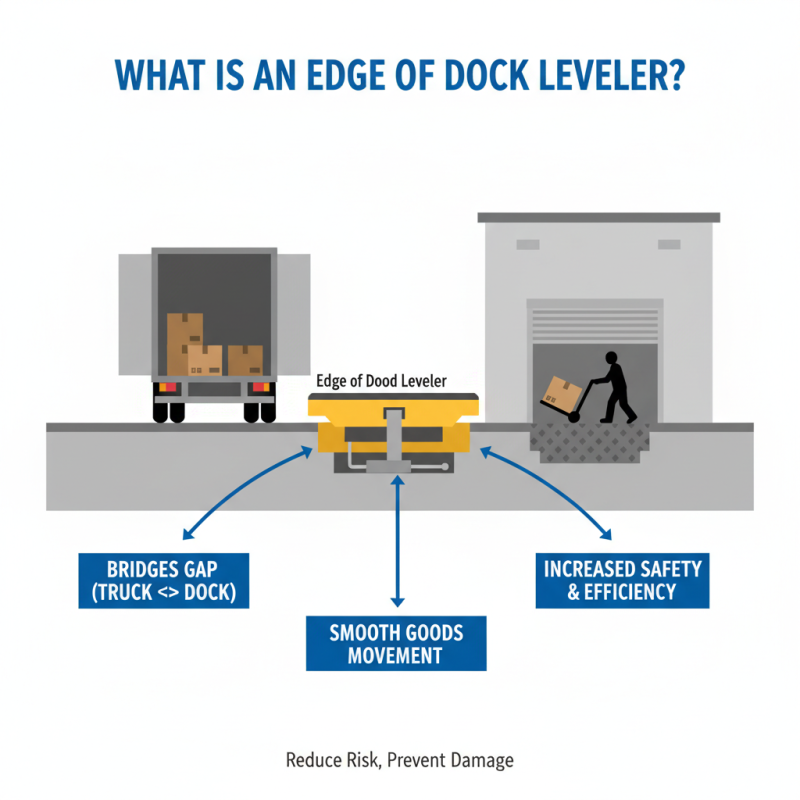
An edge of dock leveler is a critical component in modern loading facilities. It provides a smooth transition between the dock and trailer. This piece of equipment enhances safety and efficiency in material handling operations.
Understanding how an edge of dock leveler operates can help prevent accidents. It lowers the risk of product damage when moving goods. Proper use ensures that forklifts and other vehicles can load and unload smoothly.
Many facilities overlook the maintenance of edge of dock levelers. Regular checks can prevent costly downtime and accidents. Attention to design and functionality matters for overall workflow. Investing in quality equipment can lead to a noticeable difference in productivity.
What is an Edge of Dock Leveler?
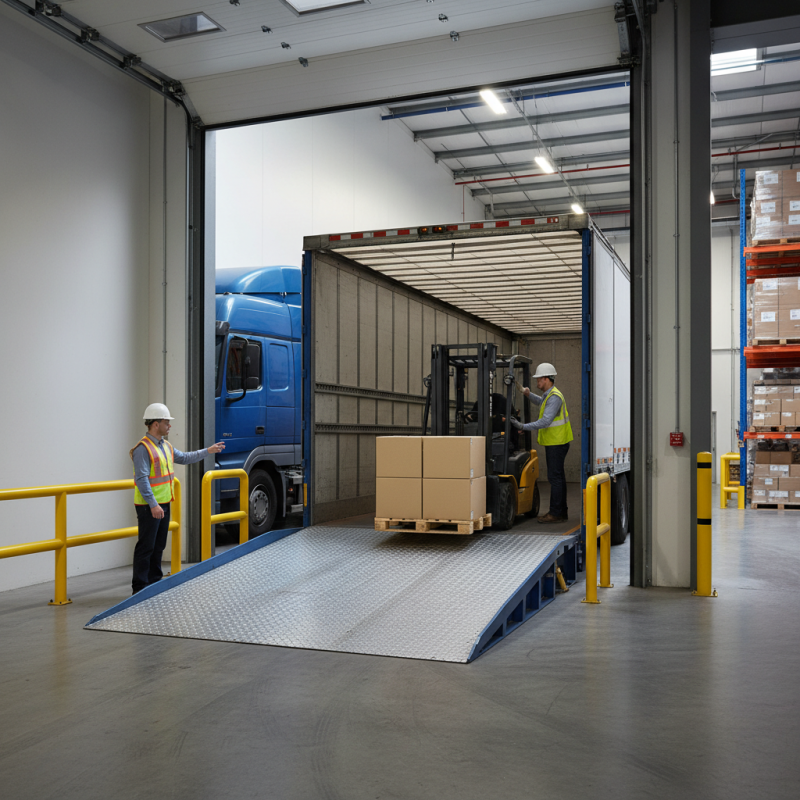
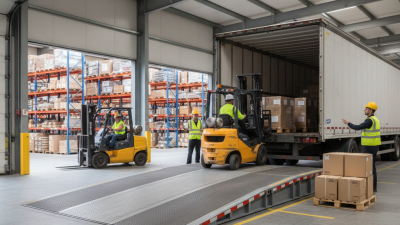
An edge of dock leveler is a mechanical device used in loading docks. It bridges the gap between a truck and a loading dock. This equipment enhances efficiency during loading and unloading operations. Workers can move goods smoothly from truck beds to dock levels. This reduces the risk of injury and damage to products.
Operating an edge of dock leveler is straightforward. When the truck backs up to the dock, the leveler is deployed. The user activates it, and the platform extends to meet the truck. This mechanism ensures that goods can be transported easily. However, sometimes it may malfunction if not maintained properly. Regular checks are crucial to avoid unexpected failures.
The benefits of using an edge of dock leveler are significant. It improves safety, speeds up loading times, and minimizes strain on workers. Companies that prioritize efficiency should consider this equipment. Yet, there's a downside. Improper usage can lead to accidents. Training employees on safe operation is essential. Regular inspections ensure its reliability and safety.
How Edge of Dock Levelers Operate Mechanically
Edge of dock levelers are vital tools in loading dock operations. They bridge the gap between dock doors and incoming trucks. This connection is essential for safe and efficient cargo movement. According to industry reports, the right leveler can reduce loading times by as much as 25%. This efficiency leads to better productivity.
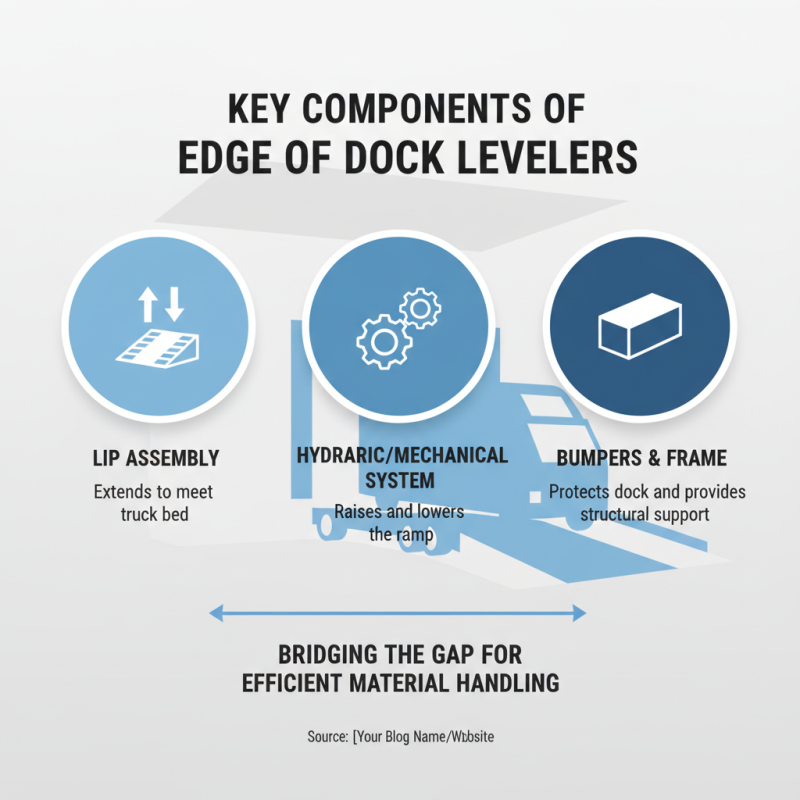
These levelers operate mechanically, using a pivoting mechanism. When a truck backs up, the leveler tilts down. It aligns with the truck bed. Operators can adjust the height to match different vehicle sizes. Many designs incorporate safety features like lip extensions. These extensions provide a smooth transition, minimizing the risk of accidents.
However, mechanical components can wear out. Regular maintenance is crucial. Delays or malfunctions can significantly impact dock operations. Data shows that improper maintenance can lead to costly downtime. It’s vital to address these issues proactively. Operators should conduct routine checks to ensure reliability. Understanding these mechanical operations can improve overall efficiency in the loading process.
Benefits of Using Edge of Dock Levelers in Warehouses
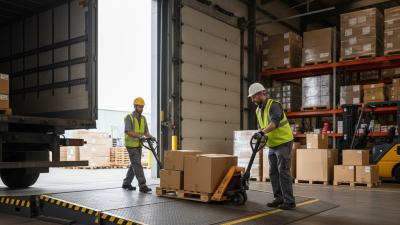
Edge of dock levelers are an essential part of modern warehouses. They provide seamless transitions between loading docks and trailers. This efficiency improves safety and productivity during loading and unloading processes. The design allows for quick adjustments, making it easier for fork trucks and other equipment to move freight.
One of the primary benefits of using edge of dock levelers is increased safety. They reduce the risk of accidents that can occur when there is a significant height difference between the dock and truck. By providing a stable surface, they prevent slips and falls. This is important in busy environments where employees are constantly moving.
Moreover, these levelers can enhance operational efficiency. When dock levelers are in place, workers can load and unload faster. However, keeping them in good condition is vital. Regular maintenance can prevent unexpected breakdowns, which can disrupt workflow. Some may overlook this, causing potential delays. Implementing a routine check can mitigate these issues effectively.
Maintenance Tips for Edge of Dock Levelers
Edge of dock levelers are essential in loading docks for smooth material handling. To maximize their lifespan and functionality, proper maintenance is crucial. Regular inspections can identify wear and tear early. According to the Material Handling Industry (MHI), effective maintenance can reduce downtime by up to 30%. It’s vital to check the hydraulic fluid levels consistently. Low fluid can lead to sluggish operation or even malfunction.
Another key aspect is the cleaning of the leveler’s surfaces. Accumulated debris can affect performance. A study from the American Society of Mechanical Engineers (ASME) mentions that contaminants can cause up to 25% more energy consumption in hydraulic systems. Keeping these areas clear extends not only the leveler's life but also enhances safety during operations.
Don’t overlook the seals and gaskets. Regularly inspect these components for signs of wear. Replacing them promptly can prevent leaks and costly repairs. Taking proactive steps in maintenance can indeed save time and resources in the long run. Regular training for staff on correct usage can further improve overall efficiency.