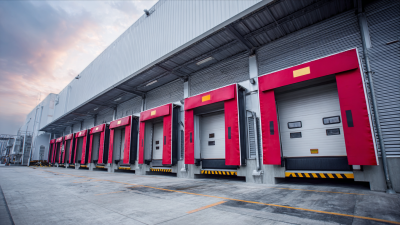
Choosing the right dock seals can directly affect loading efficiency, energy use, and workplace safety. A well-fitted seal closes the gap between a trailer and the building. It helps protect workers, products, and indoor conditions from rain, dust, wind, and temperature loss.
The decision begins with real operating details. Measure the dock height, door width, trailer range, and approach angle. Observe how drivers position vehicles during busy shifts. A seal that works for standard trailers may fail with refrigerated units or uneven dock approaches. Compression, fabric strength, side-frame clearance, and maintenance access also deserve careful attention. Small measurement errors can create large gaps.
Experience matters here.
Reliable suppliers should explain their material choices, installation limits, and expected service conditions. Look for durable fabrics, reinforced wear areas, and designs suited to your traffic volume. Ask for clear product data, installation guidance, and relevant testing information. Independent advice can reduce costly guesswork, but it should match your actual site conditions.
There is no universal dock seals solution. That is easy to forget. A warehouse handling mixed trailer sizes may need an adjustable design instead of a standard model. A cold-storage facility may require stronger temperature control and careful sealing around the dock opening. Review damage patterns after installation. If the seal tears, shifts, or leaves visible daylight, the original choice may need reconsideration. The best solution is not simply the most expensive one. It is the one that fits your equipment, workflow, climate, and maintenance capability.
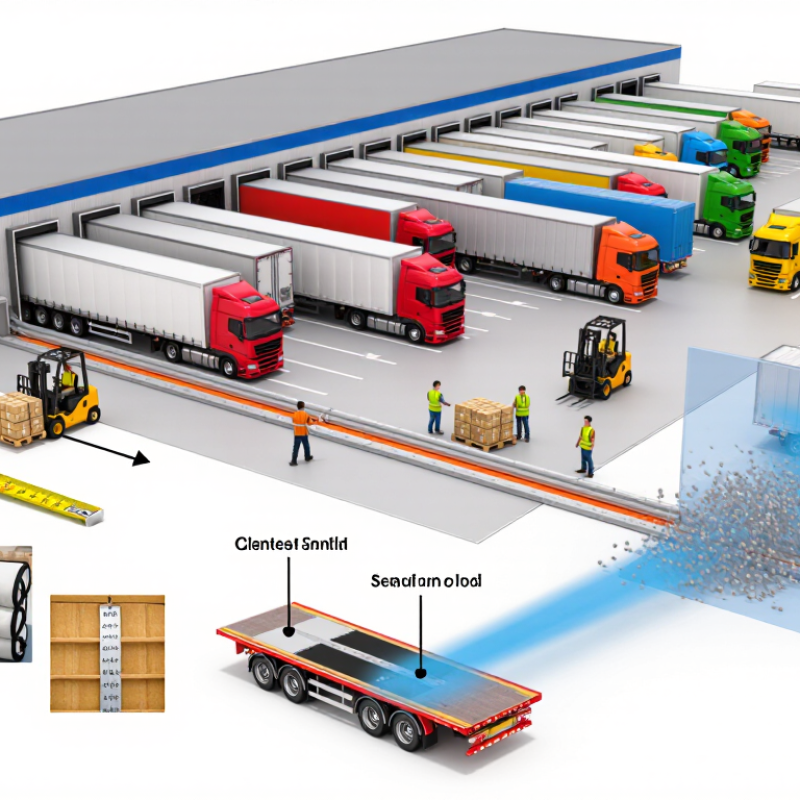
Understanding dock seals begins at the loading door, not in a catalogue.
A dock seal is a compressible structure mounted around the doorway. When a trailer backs in, its rear presses against the seal. This contact reduces open air, rain, dust, and temperature exchange during loading. It also helps contain conditioned air inside the facility. Small gaps matter. Workers gain a steadier working environment during long loading cycles.
Choosing one requires measurements and observation. Record door width, height, trailer heights, and the distance from the dock face to traffic lanes. Check whether vehicles arrive level or at different angles. A seal that is too thick can obstruct doors or pressure trailer sides. One that is too thin may leave visible gaps at the corners.
Inspect the fabric, foam recovery, stitching, and mounting surface. These details often reveal more than appearance.
Dock seals also influence safety and operating costs. Better contact can limit drafts and reduce strain on heating or cooling equipment. Yet no seal fixes careless alignment. Drivers may stop short, or trailers may sit unevenly. That is where planning becomes imperfect.
Review damage marks after several weeks, then adjust the design or procedures. In busy facilities, replaceable wear areas can be practical. Keep the seal clear of forklifts, sharp pallets, and standing water. Log those findings beside each door’s maintenance record.
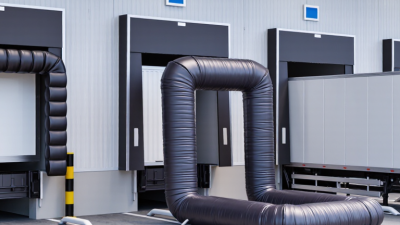
Choosing dock seals starts with the building, not the product catalog. Measure the clear opening width and height, wall projections, bumper depth, and dock height. Record the door’s travel path too. Sectional, rolling, and impact doors require different clearances. Small errors matter. An uneven seal can tear, obstruct the door, or limit trailer access.
Assess loading conditions across a normal week. Note trailer heights, vehicle types, approach angles, loading frequency, and temperature exposure. Rigid side pads suit consistent trailer sizes. Adjustable head curtains handle wider variation. If forklifts strike the pads, specify reinforced construction and verify bumper spacing. OSHA’s Loading Dock Safety guidance emphasizes sound dock plates, controlled vehicle movement, and clear dock edges. The U.S. Bureau of Labor Statistics reported 1,495 fatal injuries in transportation and material-moving occupations during 2023. That figure supports a careful dock assessment, not a quick visual check.
Air leakage also deserves attention. Inspect contact points with the trailer, especially at the lower corners. ASHRAE guidance treats uncontrolled air infiltration as a building-performance concern. A seal may look suitable but still leave gaps during rain, wind, or uneven trailer alignment. I would not trust catalog dimensions alone. Test a sample installation, review forklift clearance, and measure compression after real loading cycles. Some assumptions will fail. That is useful information.
Choosing the right dock seal starts with measurements, not estimates. Record the trailer height, width, rear-door position, and dock height. Measure several vehicles used at the site. Fleet dimensions often vary more than expected. A seal should compress against the trailer without blocking door travel. Excessive compression can damage foam and increase loading resistance. Too little contact leaves gaps for rain, dust, and conditioned air. Allow practical clearance for uneven parking.
Shape depends on traffic and building conditions. Standard side pads suit regular box trucks with consistent rear widths. Tapered or contoured pads can improve contact when trailer bodies differ. A head pad needs enough projection to seal the upper corners, but not so much that it interferes with roof equipment. Check bumpers, restraint systems, and dock leveler movement before fixing the final profile. Small details matter here.
Material selection should reflect use, climate, and maintenance habits. Closed-cell foam offers resilient compression, while reinforced coated fabric handles repeated rubbing and sunlight. In cold areas, choose materials rated for low temperatures. In hot yards, verify ultraviolet resistance. High-frequency docks may need tougher outer covers and replaceable wear panels. I have seen installations fail because the nominal size looked correct, but the wall was not square. That is an easy mistake. Recheck measurements after installation, inspect contact marks, and adjust the design when real traffic proves the original assumption wrong.
How to Choose the Right Dock Seals for Your Business?
Durability should match traffic, not just weather. A busy distribution dock may cycle hundreds of times daily, creating repeated abrasion and compression. The U.S. Department of Energy’s Commercial Buildings Energy Consumption Survey identifies warehouses as major energy users across large building portfolios. Small air gaps can therefore become expensive. ENERGY STAR guidance estimates that air leakage may waste up to 30% of heating and cooling energy. Dock seals should compress evenly around trailers, recover after impact, and resist tearing at the corners.
Weather protection depends on exposure and operating temperature. In rainy regions, closed-cell foam and reinforced fabrics can limit water entry around the trailer. Cold-storage operations need materials that remain flexible below freezing. ASHRAE’s Handbook—Fundamentals stresses that infiltration loads change with opening size, pressure, and opening frequency. That makes a daily inspection valuable. Check light gaps, crushed foam, loose fasteners, and water trails after storms.
Operational requirements often reveal the better choice. A dock serving mixed trailer heights may need adjustable head pads or a shelter-style seal. Narrow yards may require stronger side protection against angled approaches. I have seen teams select the thickest seal available, then discover that it restricts trailer movement. More material is not always better. Review traffic counts, trailer dimensions, cleaning chemicals, and replacement access before specifying. The imperfect detail matters: even a well-designed seal fails when drivers cannot align consistently. EPA and DOE efficiency guidance also supports repairing leakage promptly, rather than waiting for visible damage.
Comparison of common loading-dock enclosure solutions using a 1–5 planning index. Higher scores indicate stronger performance for the stated requirement.
Dock seals generally provide the strongest weather protection and energy control when trailer sizes and dock positions are consistent. Dock shelters offer greater vehicle flexibility, while inflatable seals provide a close fit for facilities that prioritize environmental control and automated operation. Final selection should also consider trailer variation, dock frequency, maintenance access, and required clearances.
Choosing the right dock seal starts with accurate site evaluation. Measure the dock height, trailer range, wall clearance, and traffic frequency. A seal that fits one trailer may fail with another. Small gaps can allow rain, dust, and unconditioned air inside.
Installation quality strongly affects long-term value. The frame must align with the dock face and support repeated trailer contact. Technicians should check anchor strength, compression, and safe clearance before completing the work. Poor alignment may look acceptable on day one. It can create premature wear within months. In practice, installation schedules sometimes encourage rushed decisions. That mistake is expensive to correct.
Tips: Request a written measurement record and maintenance schedule. Inspect curtain fabric, mounting points, and side panels every month. Remove trapped debris before it damages moving surfaces. Replace worn fasteners early. Also, compare energy savings, repair frequency, and expected service life instead of choosing only the lowest purchase price. A cheaper seal may require more labor and replacement parts. Keep inspection photos for reliable comparisons. Weather exposure, forklift impact, and heavy daily use should influence the specification. Recheck assumptions after the first season.
| Evaluation Dimension | Standard Foam Dock Seal | Heavy-Duty Foam Dock Seal | Adjustable or Retractable Dock Seal | Selection Consideration |
|---|---|---|---|---|
| Best-fit loading environment | Regular truck traffic with consistent trailer sizes and moderate weather exposure. | High-frequency loading areas, frequent trailer contact, and demanding daily use. | Facilities handling mixed trailer heights, unusual vehicle profiles, or limited dock space. | Match the seal to trailer variation, traffic intensity, and exposure to rain, wind, dust, or temperature changes. |
| Typical installation duration | Approximately 4–8 labor hours per bay, depending on site preparation. | Approximately 6–10 labor hours per bay because of reinforced components and heavier construction. | Approximately 8–16 labor hours per bay, depending on the adjustment mechanism and structural work. | Confirm wall condition, dock-bumper position, clearance, mounting points, and delivery access before scheduling. |
| Common mounting requirements | Flat, structurally sound wall surfaces with adequate clearance around the dock opening. | Reinforced mounting surfaces and sufficient space for thicker side and head pads. | Additional structural support or hardware may be required for moving or adjustable sections. | A site survey helps prevent interference with dock levelers, bumpers, vehicle restraints, and overhead doors. |
| Routine inspection interval | Monthly visual inspection; inspect more frequently during peak shipping periods. | Monthly visual inspection plus documented checks after significant impacts. | Monthly inspection of fabric, frame, fasteners, moving parts, and adjustment points. | Use a written checklist covering tears, compression, loose hardware, water penetration, and alignment. |
| Typical maintenance tasks | Clean surfaces, tighten fasteners, repair minor tears, and replace worn pads or wear flaps. | All standard tasks plus closer monitoring of impact zones, reinforced stitching, and mounting hardware. | All standard tasks plus lubrication or adjustment of moving components where specified by the installer. | Prompt repairs generally cost less than allowing damaged seals to affect weather protection or loading safety. |
| Expected service-life planning range | Approximately 3–7 years under moderate use and proper maintenance. | Approximately 5–10 years under heavy use, subject to impact frequency and climate. | Approximately 5–12 years, depending on mechanism durability, operating cycles, and maintenance quality. | Service life varies significantly with trailer alignment, collision frequency, ultraviolet exposure, and temperature. |
| Weather and temperature performance | Provides practical protection for ordinary outdoor conditions when correctly sized and compressed. | Better suited to repeated contact and demanding outdoor conditions when constructed with durable covers and foam. | Useful where trailer variation makes consistent compression difficult; performance depends on correct adjustment. | Verify material temperature limits, ultraviolet resistance, moisture resistance, and local climate requirements. |
| Potential energy and comfort benefit | Helps reduce drafts and uncontrolled outdoor-air entry around a properly positioned trailer. | Can support more consistent separation between indoor and outdoor air in high-use applications. | Can improve coverage across varied trailer sizes when adjusted correctly. | Actual savings depend on building pressure, door-open time, climate, HVAC system, and trailer fit; request an energy assessment for quantified savings. |
| Downtime risk during repairs | Usually low when individual pads or wear components can be replaced without removing the complete assembly. | Usually low to moderate; heavier components may require more labor and handling equipment. | Moderate if mechanical or adjustable parts fail and replacement components are not available locally. | Prioritize designs with replaceable wear parts, documented repair procedures, and readily available components. |
| Long-term value indicators | Lower initial complexity and straightforward maintenance for standardized dock operations. | Higher durability potential where impact frequency and loading volume justify the additional investment. | Greater flexibility where trailer diversity, product protection, or space limitations are important. | Compare purchase, installation, maintenance, replacement, downtime, and energy-related costs over the planned service period. |
| Recommended use-case priority | Choose when simplicity, predictable trailer dimensions, and moderate traffic are the main priorities. | Choose when durability, impact resistance, and high loading frequency are the main priorities. | Choose when adaptability, trailer-size variation, and improved opening coverage are the main priorities. | Select the option that delivers the lowest total cost of ownership rather than the lowest initial purchase price. |
Planning note: Installation times and service-life ranges are typical commercial planning estimates, not guarantees. Final performance depends on dock dimensions, trailer mix, traffic volume, climate, installation quality, and preventive maintenance.