Why Use Dock Plates for Warehouse Loading?
Why Use Dock Plates for Warehouse Loading?
In a busy warehouse, every transfer between a trailer and the dock creates risk. A small height gap can stop a pallet jack, shift a load, or twist an employee’s ankle. Dock plates for warehouse operations help bridge that gap. They create a firm, practical surface for moving pallets, carts, and hand trucks safely.
Patrick Kapust, a former OSHA safety official, has emphasized a simple principle: “Safe loading depends on equipment condition, correct use, and worker awareness.” That principle applies directly to dock plates for warehouse loading. A plate must match the dock height, vehicle position, and expected load. Its rated capacity matters. So does its surface condition.
Details matter here.
Picture a steel plate resting between a concrete dock and a trailer floor. Its edges should sit securely. The trailer should not move unexpectedly. Workers need clear instructions before loading begins. A quick inspection can reveal bent edges, worn curbs, or slippery debris.
Dock plates are useful, but they are not automatic protection. This is where many facilities may fall short. Some teams focus on speed and overlook positioning. Others trust familiar equipment for too long. That habit deserves review.
This guide explains why dock plates for warehouse loading remain valuable. It also examines selection, inspection, capacity, and daily handling practices. The goal is practical guidance, not exaggerated promises. A safer dock usually comes from consistent small decisions.
Warehouse Loading Gaps and the Role of Dock Plates
Why Use Dock Plates for Warehouse Loading?
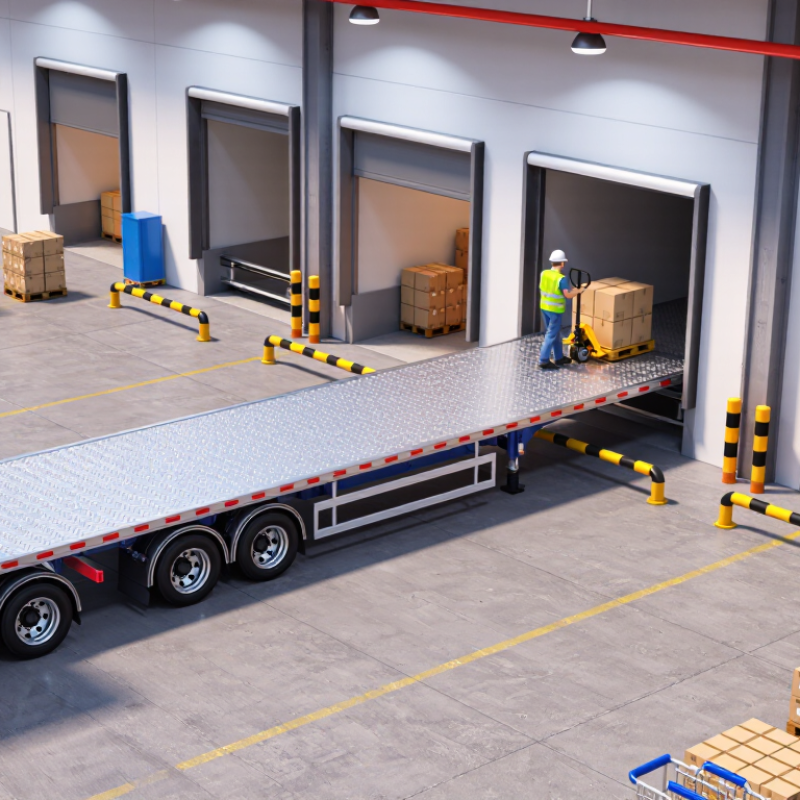
A loading gap can look small, yet it can interrupt an entire shipment. The space between a dock and trailer may shift under weight, rain, or repeated vehicle movement. Forklift wheels can catch at the edge. Pallets may tilt. Workers then face awkward steps, sudden balance changes, and slower transfers.
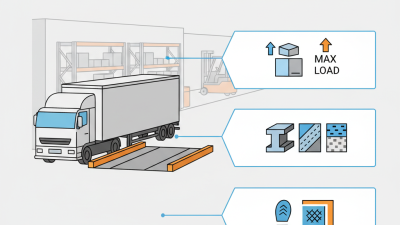
Dock plates create a temporary bridge across this gap. A properly rated plate gives forklifts and pallet jacks a smoother path between surfaces. It also helps distribute rolling loads instead of concentrating force on one edge. In practice, reliable use begins with measurement. Check the gap, height difference, plate capacity, and equipment wheelbase. Inspect the plate for cracks, bending, worn curbs, and a damaged lip before every shift. Secure it according to site procedures. Never treat a plate as a substitute for training or traffic control.
The details matter more than many teams expect. A plate that is too short may not provide enough overlap. One that is too heavy can create handling risks. Loading plans can also fail when weather is ignored. Wet metal changes footing, even when the bridge looks stable. That assumption deserves a second look. Keep the dock area clear, communicate trailer movement, and remove damaged equipment from service. Inspection records can reveal recurring problems and support safer decisions over time.
How Dock Plates Connect Trucks and Warehouse Floors
Why Use Dock Plates for Warehouse Loading?
How Dock Plates Connect Trucks and Warehouse Floors
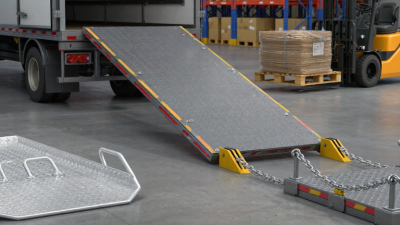
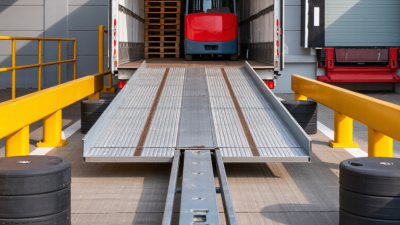
A dock plate creates a stable bridge between a truck bed and the warehouse floor. Without it, the gap can catch pallet-jack wheels or create an abrupt drop. That small space matters. A loaded pallet may weigh hundreds of kilograms, making every transition more demanding. The plate rests on the dock edge and extends into the trailer, allowing workers to move goods across one continuous surface.
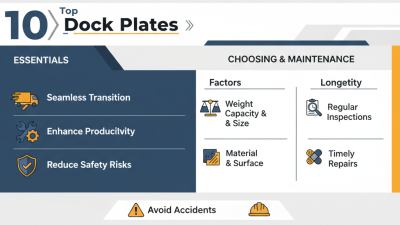
Reliable use begins with matching the plate to the task. Staff should check its rated capacity, usable width, surface traction, and lip placement before loading starts. The truck must remain stationary, and the plate needs full contact with the dock and trailer floor. A quick inspection can reveal bent edges, loose welds, or damaged grip surfaces. These details are easy to overlook during a busy shift.
Clear communication also improves the connection. The driver, dock worker, and equipment operator should confirm trailer position before movement begins. Keep it simple. A pallet jack needs enough clearance to enter and exit without striking the plate edges. Dock plates are useful, but they are not universal ramps. Some are unsuitable for powered forklifts or uneven height differences. I have seen teams treat a plate as a permanent fix when the real problem was poor trailer alignment. That shortcut saves minutes, not risk. A practical loading plan should allow for weather, changing vehicle heights, and occasional human error.
Key Safety Benefits of Using Dock Plates
Why Use Dock Plates for Warehouse Loading?
Dock plates create a stable bridge between a loading dock and a truck bed. This connection helps forklifts and pallet jacks cross the gap without sudden drops or wheel jolts. A secure transition matters during busy loading periods. Even experienced teams can rush this step.
The main safety benefit is better control. Workers can move loads across a level surface with fewer abrupt movements. A textured plate can also improve traction when moisture or dust is present. Choose a plate with the correct load rating and inspect its edges, hinges, and locking points before use. A small crack can become a serious hazard under heavy equipment.
Placement requires attention. The plate should sit evenly on both surfaces and remain secured during movement. Workers need clear communication, especially when a driver cannot see the dock edge. Keep pedestrians away from the crossing area. Do not allow loads to exceed the rated capacity. A dock plate is helpful, not magical. It cannot correct a damaged trailer floor, unstable pallets, or poor visibility. Regular training should include practical checks, but training alone is not enough. Supervisors should observe real loading tasks and correct unsafe habits early. Sometimes, the safest decision is stopping the operation and replacing questionable equipment.
Why Use Dock Plates for Warehouse Loading?
Key Safety Benefits of Using Dock Plates
A dock plate creates a stable bridge between the loading dock and the vehicle floor, helping reduce gaps, abrupt level changes, and equipment instability during transfer. The example below shows how the combined load—not only the cargo—must be considered when selecting a dock plate.
In this example, the total moving load is 10,200 lb, including the palletized goods, powered industrial truck, and operator. Always verify actual weights, plate capacity, securement, surface condition, and operating procedures before use.