China Top 10 Loading Dock Ramp Manufacturers?

Choosing a loading dock ramp manufacturer in China requires more than comparing prices and polished catalogues. This guide introduces ten manufacturers worth examining for engineering quality, production experience, safety controls, and export reliability. A useful comparison should consider ramp capacity, deck thickness, lip extension, surface grip, hydraulic performance, and compatibility with different trailer heights.

Safety must remain central. David Michaels, a workplace-safety expert and former OSHA Assistant Secretary, said, “We know that the vast majority of workplace injuries are preventable.” His point applies directly to loading dock ramp selection. A weak weld, inaccurate load rating, or poorly designed transition can create serious risks around forklifts, pallets, and moving trucks. Ask for test records, material specifications, factory photographs, and maintenance guidance. Not just price.

This overview also considers response speed, customization, spare parts, installation support, and after-sales communication. A dependable supplier should explain limits clearly, rather than promise everything. No ranking is perfect. A manufacturer may perform well on standard ramps but struggle with cold storage facilities, uneven yards, or heavy industrial traffic. Those differences matter.

The selected companies should be viewed as candidates for further verification, not automatic recommendations. Buyers should request current certifications, inspect sample workmanship, and confirm whether quoted capacity matches real operating conditions. Measure twice. Choose once. This practical approach can help warehouse owners identify a loading dock ramp partner that supports safer movement, steadier operations, and fewer costly surprises.
China Top 10 Loading Dock Ramp Manufacturers?

What Is a Loading Dock Ramp and How Does It Work?

What Is a Loading Dock Ramp and How Does It Work?

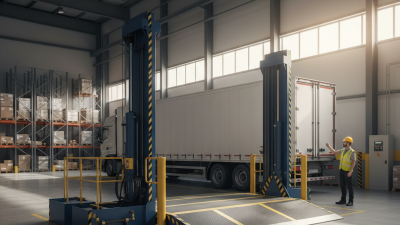
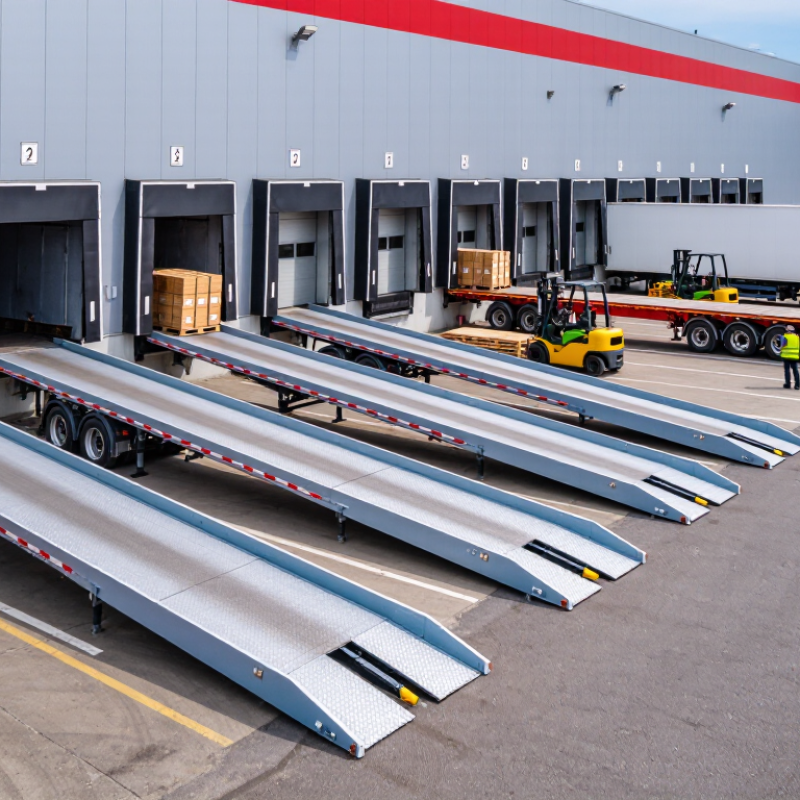
A loading dock ramp is a strong platform that connects a warehouse floor with a truck bed. It bridges the height difference between two surfaces. Without this connection, forklifts may struggle to move pallets safely. The ramp usually includes a steel deck, hinged lip, side curbs, and a lifting system. Some models are fixed inside the dock. Others can be moved between loading areas.

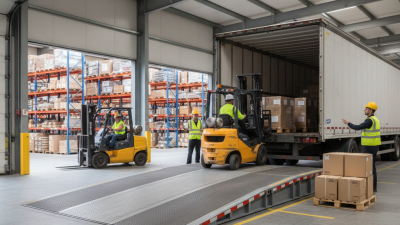
Operation is simple but requires controlled handling. A worker positions the ramp against the vehicle and checks its contact points. The lip extends onto the truck bed, creating a continuous travel path. Hydraulic, mechanical, or manual systems then adjust the deck height. Forklifts can cross the platform when the load capacity and slope are suitable. Keep the truck stationary. That detail matters.

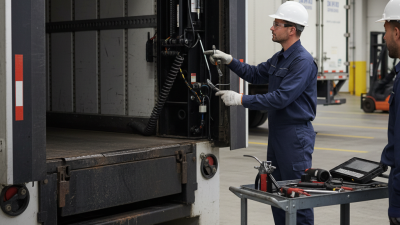
In practical warehouse work, operators should inspect hinges, welds, rails, and warning markings before each shift. They should also check for oil leaks, loose bolts, damaged surfaces, and ice. A ramp rated for heavy loads may still become unsafe when the vehicle moves unexpectedly. Capacity labels help, but they do not replace judgment. I have seen teams focus on maximum weight while ignoring wheel size and clearance. That was a costly oversight. Even experienced workers can miss a small gap under poor lighting. Better dock design reduces that risk, but it never removes the need for careful training and regular maintenance.
Main Types of Loading Dock Ramps in China

China Top 10 Loading Dock Ramp Manufacturers?

China’s loading dock ramp market serves warehouses, factories, cold-chain facilities, and freight terminals. The China Federation of Logistics and Purchasing reported China’s total social logistics value reached RMB 360.6 trillion in 2023, rising 5.2% year on year. This activity increases demand for safer and faster dock access.

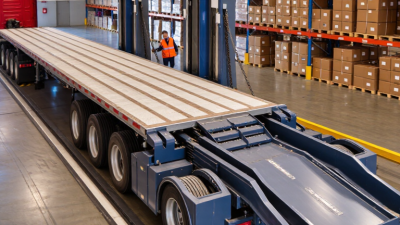
The main type is the mobile yard ramp. It uses adjustable legs, steel traction plates, and forklift access, making it practical where permanent docks are unavailable. Fixed hydraulic dock levelers offer smoother height adjustment between trucks and platforms. They suit busy distribution centers with repeated loading cycles. Mechanical dock levelers remain popular because they need less electrical maintenance. They can perform reliably in dusty environments.

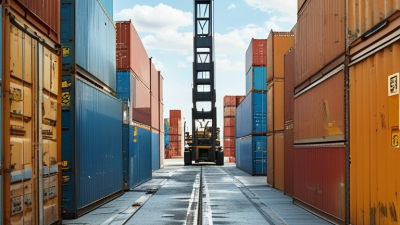
Container ramps support forklift movement directly into containers. Their short approach angle matters when handling pallets with small wheels. Portable aluminum ramps are lighter and easier to reposition, but their capacity may limit heavy industrial use. Telescopic ramps provide flexible reach, although their moving parts require careful inspection.

Industry guidance, including ANSI MH30.1, emphasizes rated capacity, platform stability, lip extension, and safe load transfer. Buyers should verify dynamic loads, not only static capacity. A 10-ton rating may not cover a fast-moving forklift and uneven pallet weight. In my field experience, drainage and anti-slip treatment are often overlooked. That mistake becomes visible after rain. China’s varied climates also make galvanizing, coating thickness, and corrosion testing important. Product tables alone cannot show real dock performance.

China Top 10 Loading Dock Ramp Manufacturers? - Main Types of Loading Dock Ramps in China

No. Ramp Type Typical Application Typical Capacity Common Platform Width Approx. Height Range Main Structural Features Recommended Selection Point
1 Mobile Yard Ramp Temporary loading between the ground and a truck or container 6–15 tonnes 2.0–2.5 m 0.8–1.8 m Welded steel frame, adjustable support legs, forklift towing eye, anti-slip deck Match ramp length and capacity to the highest loading height and heaviest axle load
2 Container Loading Ramp Forklift access into standard shipping containers 8–15 tonnes 2.0–2.5 m 1.0–1.6 m Long approach plate, container-edge lip, reinforced beams and safety curbs Verify the container floor height, lip engagement and forklift ground clearance
3 Hydraulic Dock Leveler Permanent warehouse docks serving vehicles with different bed heights 6–15 tonnes 1.8–2.2 m 250–400 mm lip range Hydraulic cylinders, hinged lip, recessed pit installation, powered raising and lowering Select based on dock pit dimensions, gross vehicle load and duty cycle
4 Mechanical Dock Leveler Cost-conscious distribution centers with moderate loading frequency 6–12 tonnes 1.8–2.2 m 250–350 mm lip range Spring-assisted operation, manual pull chain, hinged deck and lip Consider operator effort, maintenance access and daily truck movements
5 Telescopic Lip Dock Leveler Facilities requiring accurate reach into trailers and reduced gap exposure 8–15 tonnes 1.8–2.2 m 300–500 mm lip extension Extendable lip, hydraulic or electro-hydraulic deck, controlled trailer contact Useful where trailer floors vary or the loading gap must be minimized
6 Edge-of-Dock Leveler Existing buildings without a full recessed dock pit 6–10 tonnes 1.8–2.0 m 100–200 mm operating range Front-mounted steel assembly, compact installation, short hinged lip Best for limited height differences and moderate forklift traffic
7 Portable Dock Plate Hand pallet trucks and light equipment crossing small vehicle gaps 1–4 tonnes 1.0–2.0 m 50–200 mm Aluminum or steel plate, beveled ends, lifting handles, safety curbs Use only within the rated gap and load limits; secure against movement
8 Portable Dock Board Higher-capacity bridging between a dock and a truck trailer 4–10 tonnes 1.8–2.2 m 100–300 mm Reinforced steel or aluminum construction, curbs, locking pins or safety chains Check forklift wheel loads, trailer restraint and support-point alignment
9 Scissor Lift Dock Ramp Variable-height loading where a fixed dock level is unavailable 2–8 tonnes 1.5–2.0 m 600–1,500 mm Scissor lifting mechanism, hydraulic power unit, safety rails or toe guards Specify travel height, platform size, pit or surface mounting and safety interlocks
10 Vehicle-Mounted Folding Ramp Delivery vehicles and mobile service operations requiring onboard access 0.5–3 tonnes 0.8–1.5 m 300–900 mm Hinged or folding aluminum/steel sections, compact storage, manual or assisted deployment Confirm vehicle mounting points, folded dimensions, surface traction and payload rating
Data Note: Capacity, dimensions and operating ranges are typical industry reference values. Actual specifications should be verified against the application, installation conditions, vehicle geometry, forklift axle loads and applicable safety requirements.

Key Criteria for Evaluating Ramp Manufacturers

China Top 10 Loading Dock Ramp Manufacturers?

Key Criteria for Evaluating Ramp Manufacturers

Choosing a loading dock ramp requires more than comparing factory prices. Begin with verified production experience, audited facilities, and documented projects with similar cargo weights. Ask for load calculations, material grades, weld inspection records, and hydraulic test results. A reliable manufacturer should explain these details clearly, not hide behind polished brochures.

Check whether the ramp suits your dock height, vehicle clearance, and daily traffic. Platform thickness, lip length, anti-slip treatment, drainage, and guardrails affect safety and service life. Request drawings before production. Measure twice. A small height error can create dangerous forklift movement and costly site changes.

Compliance evidence also matters. Review applicable safety standards, inspection procedures, warranty terms, spare-parts access, and response times. Speak with recent customers, if possible, and inspect finished installations through photographs or site visits. A low quotation may exclude installation, training, or maintenance. That comparison is often incomplete. No manufacturer is flawless, and every supplier may have limitations. What matters is transparent communication, practical engineering support, and a willingness to correct design weaknesses before shipment. A thoughtful evaluation protects workers, equipment, and long-term operating costs.

China’s Top 10 Loading Dock Ramp Manufacturers

China’s Top 10 Loading Dock Ramp Manufacturers are best assessed through engineering evidence, not brochure language. A serious comparison checks rated capacity, platform thickness, hydraulic protection, surface grip, and cycle testing. Grand View Research valued the global material handling equipment market at about USD 216.6 billion in 2022, with steady growth expected through 2030. That expansion increases pressure on Chinese factories to provide repeatable quality, not merely low prices.

The strongest ten manufacturers usually show ISO 9001 systems, traceable steel certificates, and documented load tests. Buyers should request drawings, weld inspection records, and maintenance intervals. A dock ramp handling 10,000 kilograms needs more than a thick-looking plate. It needs stable lip support, controlled descent, and safe clearance around a 1.2-meter dock gap. Practical factory audits also matter. Watch the welds.

China Federation of Logistics and Purchasing reported China’s social logistics value at approximately 352.4 trillion yuan in 2023, rising 5.2 percent year on year. This volume supports demand for reliable loading equipment in warehouses, ports, and distribution centers. However, ranking the top ten is not perfectly objective. Some manufacturers publish detailed test data, while others provide only selected project photos. Buyers should compare warranty terms, spare-part response times, installation guidance, and export documentation. A cheaper ramp can become expensive after one damaged hinge or delayed hydraulic seal.

How to Choose the Right Chinese Manufacturer for Your Needs

Choosing among China’s top loading dock ramp manufacturers requires more than comparing prices. The World Bank’s 2023 Logistics Performance Index gave China an infrastructure score of 3.7 out of 5. That figure suggests strong capacity, but it does not verify every factory. Ask for production records, load-testing videos, material certificates, and inspection reports. A serious supplier should explain steel grade, platform thickness, hydraulic protection, and rated capacity in clear terms.

Your site conditions must guide the specification. Measure the dock height, truck-bed range, ramp width, approach angle, and daily loading frequency. For dock levellers, request compliance evidence against EN 1398 or the applicable local standard.

Check whether the supplier tests welds and hydraulic cylinders before shipment. The International Labour Organization links safer workplaces with risk assessment and equipment controls, so safety cannot remain a sales promise.

Visit the factory remotely or in person. Watch a ramp cycle under a realistic load. Request references from facilities with similar temperatures and traffic levels. Review spare-parts availability, response times, installation support, and warranty exclusions.

A low quotation can hide weak steel, poor sealing, or expensive downtime. I have seen buyers overvalue a polished catalogue. That was a mistake. No checklist catches every failure, but documented testing and independent inspection reduce uncertainty. The 2024 MHI Annual Industry Report also identifies labour availability and supply-chain resilience as continuing operational concerns, making after-sales support a practical selection criterion.