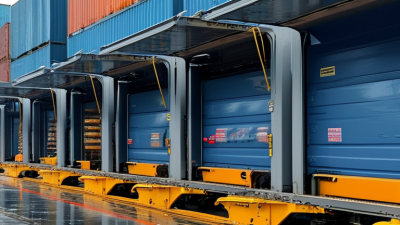
Choosing a reliable manual dock leveler manufacturer in China requires more than comparing prices. The real test appears at the loading bay, where steel plates meet forklifts, pallets, weather, and daily pressure. A dependable supplier should demonstrate stable welding quality, accurate load ratings, durable hinges, and responsive after-sales support. Factory experience matters, but documented performance matters more.
Dock-equipment engineer Raymond P. Kelley offers a useful reminder: “A leveler is a safety device first, and a productivity tool second.” This principle guides our review of China’s top ten manual dock leveler manufacturers. We examine product design, manufacturing capability, inspection procedures, customization options, export experience, and customer support. We also consider practical details, such as lip thickness, deck reinforcement, operating handles, surface treatment, and installation requirements.
A polished catalog is not enough. Ask for test records.
Some manufacturers excel in heavy-duty platforms, while others focus on compact warehouses, cold storage, or cost-conscious projects. Their strengths are not identical. One supplier may offer excellent steelwork but limited documentation. Another may provide strong technical support but fewer customization choices. These differences deserve careful attention.
This ranking is intended as a starting point, not a final purchasing decision. Local conditions can change the result. Dock height, vehicle type, traffic frequency, climate, and forklift weight all influence suitability. Buyers should verify every specification directly with the manufacturer. A low initial price may become expensive if maintenance, installation, or replacement parts are overlooked. The best choice is usually the supplier that combines sound engineering, transparent communication, and consistent quality.
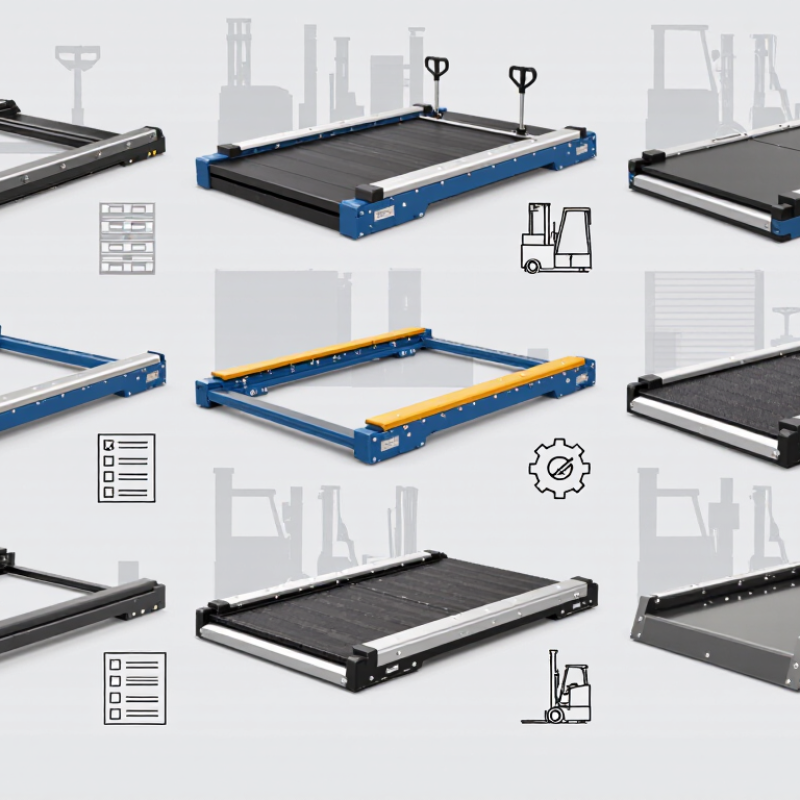
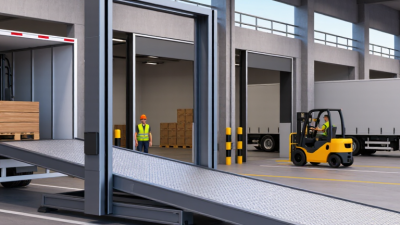
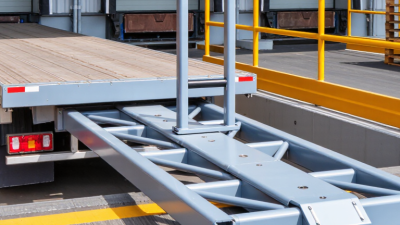
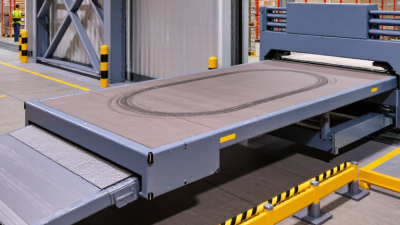
A manual dock leveler is a steel platform connecting a loading dock with a truck bed. It bridges the height gap during loading and unloading. An operator pulls a handle or chain to raise the deck. The lip then extends onto the vehicle floor. A forklift can cross the bridge more smoothly.
The mechanism is simple, but correct positioning matters. The trailer should be centered against the dock, with its wheels properly restrained. The operator checks the deck, lip, hinges, and platform before use. A leveler must match the dock height range and rated capacity. Excessive loads can bend the lip or damage the hinge points.
From practical site inspections, poor maintenance causes many avoidable problems. Dust collects around the hinges. Rust can make manual movement stiff. A short inspection before each shift is worthwhile. Grease the approved pivot points and remove debris regularly. Never stand beneath a raised platform.
Manual equipment can reduce installation complexity and ongoing energy use. However, it depends heavily on operator judgment. That is its weakness. A tired worker may skip a wheel check or misread the trailer position. Clear training and visible load markings help. The system is not perfect, especially when truck heights vary widely. Careful adjustment still makes daily handling safer and more controlled.
China’s Top 10 Manual Dock Leveler Manufacturers should be judged by engineering evidence, not advertising claims.
These manufacturers typically serve warehouses, factories, cold-storage facilities, and distribution centers. A practical shortlist should examine rated capacity, deck thickness, lip length, hinge design, surface treatment, and cycle testing. Manual models remain attractive where power access is limited and maintenance must stay simple.
The MHI 2024 Industry Report identifies labor pressure and operational efficiency as major material-handling concerns. Grand View Research also reported strong Asia-Pacific growth in warehouse infrastructure during 2023. These trends support continued demand for durable loading equipment, including manually operated dock levelers.
However, market reports rarely separate manual units clearly. That limitation matters. A “top ten” ranking can be useful, but it is not perfectly objective. Factory audits, sample testing, and customer references should carry more weight than online rankings.
Tips:
Sentence-level product claims should be verified independently.
Manufacturer 1 produces compact mechanical levelers for small warehouses. Manufacturer 2 specializes in heavy-duty steel frames and reinforced hinges. Manufacturer 3 offers adjustable lip lengths for uneven truck beds. Manufacturer 4 focuses on corrosion-resistant coatings and coastal applications. Manufacturer 5 builds pit-mounted models with simple maintenance access.
Manufacturer 6 is known for custom platform sizes and low-clearance designs. Manufacturer 7 develops mechanical spring systems for frequent loading cycles. Manufacturer 8 combines stamped components with robotic welding, improving repeatability. Manufacturer 9 provides budget-focused levelers for medium-volume facilities. Manufacturer 10 emphasizes export packaging, spare parts, and technical documentation.
Their real strengths should be checked through load testing, weld inspection, dimensional control, and documented quality procedures. A polished catalog is not enough. Factory evidence matters.
Tips: Confirm the rated capacity, lip extension, platform thickness, and pit dimensions before ordering. Request photos of welds and test records. Ask how hinges, springs, and anchor points are replaced on site. A cheaper frame may still perform well, but weak coating can shorten its service life. I have found that installation conditions often matter as much as the leveler itself. Some suppliers promise customization too easily. That deserves careful questioning. Check service response, packaging quality, and spare-part availability before comparing prices.
When comparing China’s top 10 manual dock leveler manufacturers, quality evidence matters more than catalog language. A reliable supplier should provide documented load testing, welding inspections, material traceability, and clear maintenance instructions. Look for production controls aligned with ISO 9001. For export projects, check whether the model meets EN 1398 requirements or other applicable regional standards. CE documentation may apply to certain configurations, but it should match the actual product. Generic certificates are weak evidence.
Safety details deserve close attention. A strong manual leveler should include a stable lip, anti-slip deck, mechanical support, guarded pinch points, and a stated working load. Ask for test reports showing repeated loading, not only a single static test. Factory audits and independent inspections can reveal uneven welds, poor paint coverage, or missing serial records. Small defects become expensive later.
Customization is equally important. Manufacturers may adjust pit dimensions, lip length, deck thickness, ramp angles, surface coating, and operating handles. Galvanized finishes can help in humid warehouses, while reinforced frames suit heavier forklift traffic. Confirm drawings before production. Tolerances must be written clearly. I would also request installation guidance and spare-part availability. Paperwork can look stronger than the product. A site trial remains valuable, especially when traffic patterns, dock height, or cold temperatures differ from factory assumptions.
This market-reference chart compares commonly specified rated-capacity bands for manual dock levelers rather than individual companies or brands. Actual capacity should be selected according to forklift weight, cargo load, loading frequency, and safety requirements.
When evaluating manufacturers, buyers commonly review compliance with applicable requirements such as EN 1398 and ANSI MH30.1, together with documented load testing, welding quality, surface treatment, installation guidance, and traceable inspection records. Typical customization options include platform dimensions, lip length, rated capacity, finish, pit configuration, and safety accessories.
China Top 10 Manual Dock Leveler Manufacturers?
Comparing the top ten manufacturers requires more than checking online rankings. Request the same technical sheet from every supplier. Compare rated capacity, platform size, lip length, pit dimensions, and operating force. A leveler for a 10-ton truck may need different reinforcement than one for smaller vehicles. Ask for steel grades, weld inspection records, surface treatment details, and load-test procedures. Clear drawings often reveal more than polished sales language.
Visit the factory or arrange a live video audit. Watch how steel plates are cut, welded, coated, and tested. Check whether workers use calibrated tools. Ask how many units are tested before shipment. A reliable manufacturer should provide inspection reports, installation instructions, spare-part lists, and a realistic warranty. Confirm production capacity with recent order records, not promises. Also compare packaging, delivery terms, replacement-part lead times, and after-sales response.
Price still matters, but the lowest quotation can hide thinner steel, weaker springs, or poor alignment. Request a sample inspection or an independent pre-shipment check. Review the contract carefully, including tolerances and acceptance standards. A practical weakness in many comparisons is relying too heavily on factory photographs. Photos cannot prove fatigue resistance. Leave room for questions. The best supplier may not have the smoothest presentation, but should explain limitations honestly and support its claims with measurable evidence.
Anonymous supplier comparison based on commonly available manual dock leveler configurations, export requirements, customization capability, and purchasing considerations. Supplier identities and brands are intentionally omitted.
| No. | Supplier Profile | Typical Product Type | Rated Capacity | Platform / Lip Material | Common Size Range | Operating Method | Customization Capability | Typical Lead Time | Quality & Compliance Evidence | Evaluation Score |
|---|---|---|---|---|---|---|---|---|---|---|
| 1 | Supplier Profile A | Mechanical spring-assisted dock leveler | 6,000–10,000 kg | High-strength checkered steel platform; reinforced steel lip | 2,000–2,200 mm projection; 2,000–2,200 mm width | Pull-chain or handle-operated mechanical spring system | High: pit dimensions, lip length, finish, bumpers, and safety accessories | 20–35 days for standard models | Welding procedure records, load-test reports, material certificates, and export inspection support | 9.1/10 |
| 2 | Supplier Profile B | Manual counterbalance dock leveler | 6,000–8,000 kg | Anti-slip carbon steel platform with galvanized or painted lip | 1,800–2,100 mm projection; 1,800–2,000 mm width | Counterweight-assisted lifting with manual release handle | Medium to high: platform width, lip extension, pit frame, and color | 25–40 days | Dimensional inspection, weld inspection, coating inspection, and product-load testing | 8.9/10 |
| 3 | Supplier Profile C | Flush-mounted mechanical dock leveler | 8,000–10,000 kg | Heavy-duty tread plate with structural steel support frame | 2,000–2,500 mm projection; 2,000–2,200 mm width | Manual pull-chain activation with mechanical hold-down | High: custom pit frame, rear hinge position, lip angle, and load rating | 30–45 days | Factory acceptance testing, traceable steel certificates, and installation drawings | 8.8/10 |
| 4 | Supplier Profile D | Edge-of-dock mechanical leveler | 4,500–6,000 kg | Formed steel deck with reinforced hinged lip | 450–600 mm deck depth; 1,800–2,000 mm width | Manual lever operation with spring counterbalance | Medium: width, lip length, bumper layout, and mounting brackets | 15–30 days | Basic load testing, dimensional records, surface-finish inspection, and packing inspection | 8.5/10 |
| 5 | Supplier Profile E | Heavy-duty mechanical dock ramp | 10,000–15,000 kg | Thick anti-slip steel plate with boxed reinforcement beams | 2,000–2,500 mm projection; 2,000–2,400 mm width | Manual handle, pull-chain, or removable operating bar | High: heavy-load reinforcement, oversized lip, and special pit conditions | 35–55 days | Structural calculations, load-test documentation, weld records, and third-party inspection option | 8.4/10 |
| 6 | Supplier Profile F | Compact manual dock leveler for small warehouses | 4,000–6,000 kg | Checkered steel deck with standard carbon-steel lip | 1,600–2,000 mm projection; 1,800–2,000 mm width | Spring-assisted manual lift | Medium: standard dimensions with limited structural changes | 15–25 days | Routine load test, dimensional inspection, coating inspection, and user manual | 8.2/10 |
| 7 | Supplier Profile G | Galvanized manual dock leveler for humid environments | 6,000–8,000 kg | Hot-dip galvanized structural components with steel tread plate | 1,800–2,200 mm projection; 1,800–2,200 mm width | Manual handle with counterbalance mechanism | Medium to high: corrosion-protection system and pit-frame options | 30–50 days | Galvanizing thickness records, steel certificates, dimensional inspection, and load testing | 8.1/10 |
| 8 | Supplier Profile H | Basic mechanical dock leveler for standard truck bays | 6,000–8,000 kg | Painted checkered steel platform and reinforced steel lip | 1,800–2,000 mm projection; 1,800–2,000 mm width | Pull-chain-operated spring mechanism | Medium: standard customization for size, color, and bumpers | 20–35 days | Factory inspection report, basic load test, packing photographs, and installation guide | 7.9/10 |
| 9 | Supplier Profile I | Custom low-profile dock leveler | 5,000–8,000 kg | Steel deck with low-clearance hinge and adjustable lip | 1,600–2,200 mm projection; 1,800–2,200 mm width | Manual lever with mechanical locking support | High: suitable for restricted pit depth and non-standard loading bays | 35–60 days | Approved technical drawings, prototype inspection, load testing, and project documentation | 7.8/10 |
| 10 | Supplier Profile J | Economy manual dock plate and leveler combination | 3,000–6,000 kg | Patterned steel plate with manually supported lip | 1,200–1,800 mm projection; 1,500–2,000 mm width | Removable handle or direct manual lifting | Low to medium: mainly standard sizes and surface finishes | 10–25 days | Basic material confirmation, visual inspection, dimensional check, and packing list | 7.5/10 |