Top Hydraulic Dock Leveler Manufacturers for Global Buyers
Choosing a hydraulic dock leveler is rarely a simple price comparison. Global buyers must assess loading capacity, platform size, lip extension, operating temperature, and installation conditions. A leveler that performs well in a dry distribution center may struggle near a coastal warehouse. Small details matter.
This guide examines leading hydraulic dock leveler manufacturers serving international markets. It focuses on engineering capability, production consistency, safety features, customization, and after-sales support. Practical indicators include welded frame quality, hydraulic cylinder protection, control-panel reliability, and documented testing procedures. Factory experience also matters. Manufacturers with clear drawings, traceable materials, and responsive technical teams usually reduce installation risks.
The comparison considers how suppliers support different logistics environments. Some offer compact models for limited dock space. Others provide heavy-duty platforms for frequent forklift traffic and demanding trailers. Buyers should verify rated capacity, safety stops, maintenance access, spare-parts availability, and warranty terms before ordering. Certifications should also match the destination market and project requirements.
No ranking can fit every warehouse. That limitation deserves attention. A supplier may offer excellent equipment but weak regional service. Another may provide strong support but limited customization. This guide therefore encourages evidence-based evaluation rather than relying on impressive brochures. Site measurements, loading patterns, climate exposure, and installer qualifications should influence the final decision. The best manufacturer is not always the largest one. It is the partner that delivers a safe, durable, serviceable solution with clear communication throughout the project.
Hydraulic Dock Levelers: Design, Function, and Main Applications
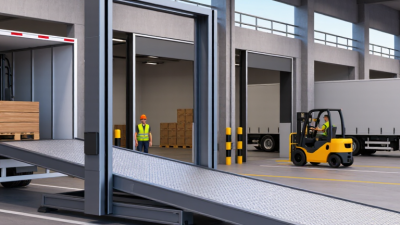
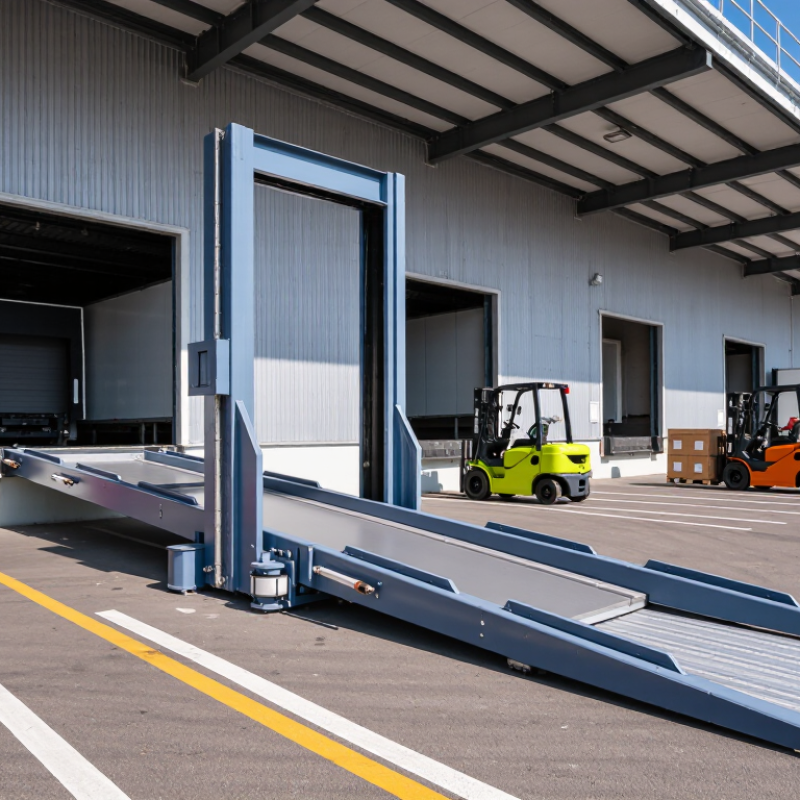
Hydraulic dock levelers create a safe bridge between a warehouse floor and a truck bed. Their main platform rises through hydraulic cylinders, then lowers onto the vehicle deck. This movement helps forklifts cross changing height gaps. It also reduces sudden impact during loading.
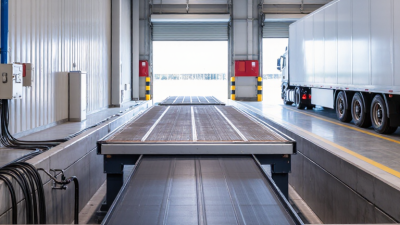
A typical design includes a steel deck, rear hinges, hydraulic power units, and safety lips. The lip extends over the trailer edge and supports pallet traffic. Operators should check load capacity, travel range, pit dimensions, and platform thickness before installation. Control panels need clear buttons and emergency stop access. Good drainage also matters, especially in outdoor loading areas. Water and debris can weaken performance over time.
These levelers serve distribution centers, cold storage facilities, factories, and retail warehouses. They support frequent loading cycles and improve handling speed near busy docks. However, no design fits every site. A large platform may increase capacity but require more structural support. A compact model may save space but limit vehicle compatibility. Details matter. Site measurements should be verified with real trailer heights, not assumptions. Maintenance teams should inspect hinges, hoses, seals, and warning systems at scheduled intervals. A small hydraulic leak can become a serious interruption. Operators also need practical training, because a well-built leveler can still be misused. Regular observations often reveal problems that technical specifications overlook.
Key Criteria for Evaluating Global Dock Leveler Manufacturers
When comparing hydraulic dock leveler manufacturers, global buyers should inspect engineering evidence, not polished catalogs. Ask for rated capacity, platform dimensions, lip extension, operating cycles, and pit drawings. A loading bay reveals weaknesses quickly. Watch the leveler handle uneven truck heights, wet surfaces, and repeated forklift traffic. Request factory test records and installation guidance. Photos help, but signed test data carries more weight.
Professional evaluation includes hydraulic design and control quality. Check cylinder protection, hose routing, emergency stop access, and maintenance points. Confirm whether steel thickness, weld quality, and corrosion treatment suit the local climate. Coastal facilities need stronger corrosion planning than dry warehouses. Verify compliance documentation for destination markets, translated manuals, and electrical specifications. “Global” should mean adaptable, not merely export capable. Ask how technicians diagnose faults remotely and how quickly replacement seals, hoses, and control components can arrive. Good after-sales service is measurable.
Total cost deserves more than a purchase-price comparison. Review energy use, maintenance intervals, spare-part prices, training, warranty exclusions, and expected service life. Speak with comparable logistics sites, not only supplied references. Their comments often expose noise, slow response, or recurring alignment problems. No manufacturer gets every detail right. That is worth admitting. A supplier who records failures and improves designs may deserve more trust than one promising perfection. Still, request a written responsibility matrix, acceptance criteria, and commissioning checklist before signing. Small omissions become expensive during peak shipping periods.
Leading Hydraulic Dock Leveler Manufacturers by Market Strength
Market strength among hydraulic dock leveler manufacturers depends on more than factory size. Buyers should compare production capacity, engineering support, quality controls, and service coverage in their destination markets. A supplier with clear load ratings and installation drawings can reduce costly site adjustments. Ask how often hydraulic components are tested and how replacement parts are stocked. Details matter.
Tips: Request maintenance schedules, warranty terms, and references for installations with similar traffic levels. Check that the proposed platform dimensions match your dock height, vehicle mix, and daily loading cycle. A polished brochure is not enough.
Manufacturers with dependable export processes can help coordinate documentation, packaging, and technical communication across time zones. Still, market presence does not guarantee a good fit for every warehouse. Review service response times and confirm who handles troubleshooting after installation. During evaluation, compare the control panel layout and inspect welds, hinges, and hose routing in person or through detailed photos. Small inconsistencies may deserve a second look.
Top Hydraulic Dock Levelers for Global Buyers
A practical specification comparison for evaluating hydraulic dock leveler options.
Rated capacities shown are representative product options, not manufacturer market-share figures. Confirm capacity, duty cycle, and site requirements with each supplier.
Comparing Product Features, Certifications, Service, and Pricing
Top Hydraulic Dock Leveler Manufacturers for Global Buyers
Choosing a hydraulic dock leveler requires more than comparing lifting capacity. Experienced manufacturers usually offer reinforced platforms, adjustable lips, and smooth hydraulic cylinders. Check the rated load against forklift weight, cargo weight, and impact forces. A 10-ton rating may be insufficient for heavy electric forklifts and dense pallets.
Certifications deserve careful verification. Ask for test reports, declaration documents, and traceable component records. EN 1398 may apply in many European projects, while other markets require different electrical or safety standards. ISO 9001 supports controlled production, but it does not prove every product is suitable. Inspect the control panel, emergency stop, maintenance supports, and safety velocity fuses. Small details matter.
Service quality often separates reliable suppliers from low-cost sellers. Confirm installation guidance, spare-part availability, response times, and warranty exclusions in writing. Request drawings before production. A clear pit layout can prevent expensive site changes. Pricing should include transport, packaging, commissioning, taxes, and replacement seals. The cheapest quotation is not always economical. However, premium pricing also needs evidence. I would compare three detailed offers using the same load, platform size, finish, and delivery terms. Some published specifications look impressive, yet field performance can differ. Ask for recent project references and photographs from working loading bays. Repair access matters more than glossy brochures.
Global Buyer Guide: Selection, Installation, and After-Sales Support
Choosing a hydraulic dock leveler starts with the actual loading bay, not a catalogue image. Measure pit width, length, and depth, then confirm the height difference between dock and vehicle beds. Specify the heaviest combined forklift and cargo load. A generous safety margin matters. Check platform dimensions, lip reach, operating cycle, and expected daily use. A supplier should explain how its rated capacity was tested and provide technical drawings. If the answers stay vague, pause.
Installation quality affects performance and service life. The concrete pit must match the approved drawings, with suitable drainage and clear access for maintenance. Ask who handles anchoring, hydraulic connections, electrical work, and commissioning. Request a site inspection before shipment when possible. It may seem like an extra step. It can prevent costly fit problems. Keep a record of final settings, operating instructions, and staff training; small handover gaps are easy to overlook.
After-sales support deserves the same scrutiny as price. Confirm warranty coverage, response hours, spare-part availability, and service options in your region. Ask which parts are considered wear items and how quickly common seals, hoses, or control components can be supplied. Request a maintenance schedule with inspection intervals and clear safety checks. Compare written commitments, not just reassuring calls. No leveler stays trouble-free forever; realistic support plans make downtime easier to manage.