Choosing the right edge of dock leveler can influence loading speed, worker safety, and long-term maintenance costs. It is not simply a matter of selecting the cheapest platform. A leveler must match the dock height, trailer range, vehicle traffic, and daily workload. Small mismatches can create steep transitions, damaged pallets, or unnecessary strain on forklifts.
This guide presents seven practical tips for evaluating an edge of dock leveler. Begin with accurate measurements. Record the dock height, approach distance, trailer bed heights, and available bumper space. Then compare rated capacity with your heaviest forklift and cargo combination. Do not rely only on average loads. A busy warehouse may face sudden impact loads that exceed normal operating conditions.
Details matter. Inspect the lip length, hinge design, deck surface, and return mechanism. Ask manufacturers for tested load ratings, installation requirements, inspection guidance, and warranty terms. Independent safety guidance and local workplace requirements should also inform the decision. A reputable supplier should explain limitations clearly, not promise that one model fits every dock.
Think beyond installation. Can operators position trailers consistently? Can technicians reach critical components safely? Will rain, ice, dust, or salt affect the mechanism? These questions often expose weaknesses before they become expensive repairs. No checklist is perfect. Real conditions change. Review the choice after several months of use, and adjust procedures when evidence shows a problem. Practical judgment still matters.
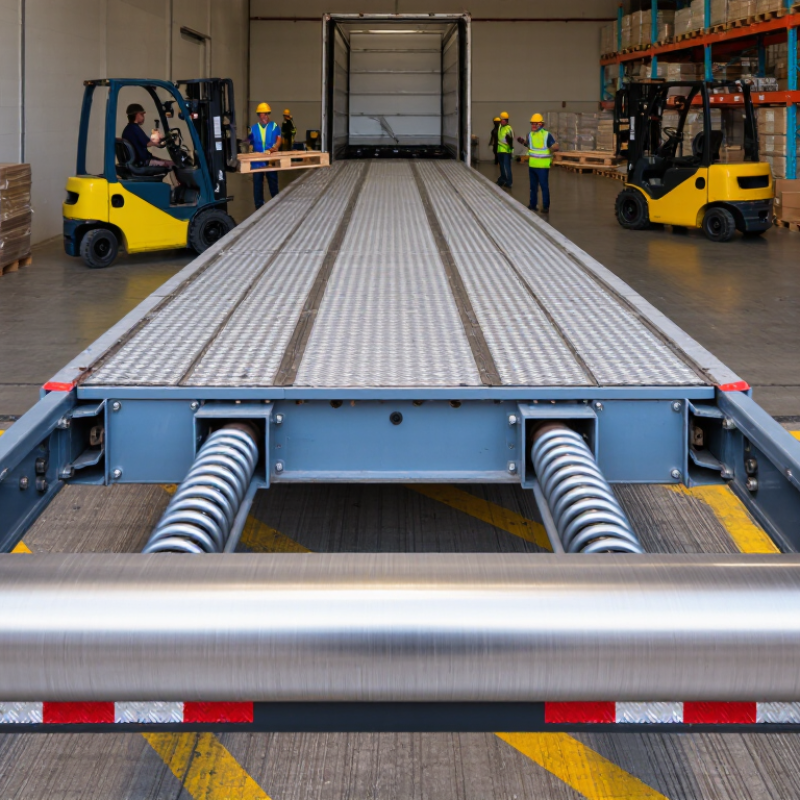
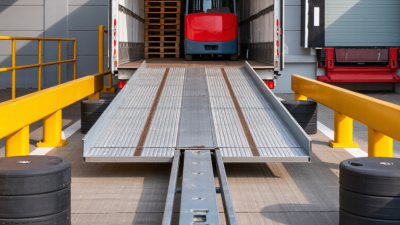
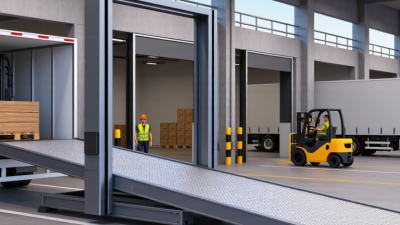
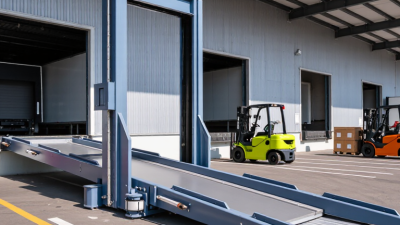
The dock leveler edge is the transition between the warehouse floor and the truck bed. It must bridge the gap securely while allowing forklifts to cross without a sharp bump. A plate that is too short may not rest far enough onto the truck floor. One that is too long can obstruct the trailer or create awkward positioning. Measure the expected height difference and gap across the vehicles you actually serve, not just the ideal truck in a catalog. Small details matter.
The U.S. Occupational Safety and Health Administration’s Powered Industrial Truck Safety guidance cites estimates of about 85 forklift-related fatalities and 34,900 serious injuries annually. These figures cover many work settings, not dock leveler edges alone, but they underscore why a stable crossing deserves attention. Check that the edge has adequate bearing on the vehicle, sits flat, and does not shift under a loaded forklift. The edge should also suit the leveler’s rated capacity and the equipment using it. A neat fit on paper can still feel rough in daily operation. Watch for uneven contact, damaged lips, or recurring jolts during loading; those signs may call for reassessment, not just a quick adjustment.
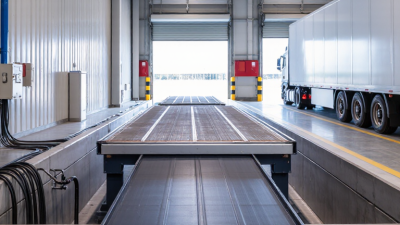
Before selecting a dock leveler edge, measure the dock height, trailer-bed height, and gap between them. Take measurements at several doors and with different trailers; one “typical” truck can hide meaningful variation. Record the highest and lowest trailer-bed positions, then check whether the leveler’s working range covers both. Measure the gap with the trailer backed into its usual position, and repeat after repositioning. A few centimeters matter. A leveler that reaches the dock but leaves a steep transition or unsupported edge may create a rough path for pallet trucks and forklifts.
Use a tape measure, a simple measurement log, and clear reference points on the dock face. Include trailer suspension movement and likely variations in loading height. The U.S. Occupational Safety and Health Administration requires dockboards to be marked with their rated capacity, so verify that the selected equipment’s rating suits the heaviest expected load. Measurements alone are not enough. The Bureau of Labor Statistics reported a 2022 total recordable case rate of 4.8 per 100 full-time workers in transportation and warehousing, versus 2.7 across private industry; this broad figure is not specific to dock levelers, but it underscores the value of careful site checks. Recheck the measurements after dock or trailer changes. I have seen “close enough” become a habit. That deserves a second look.
| Tip | What to Measure | Example or Reference | How to Use the Measurement |
|---|---|---|---|
| 1. Measure dock height | Measure vertically from the driveway or approach surface to the finished dock floor. | Example: 48 in (1,219 mm). Actual dock heights vary by facility. | Use the measured height as the fixed reference for comparing trailer-floor heights. Check several dock positions if the slab is uneven. |
| 2. Check the trailer-floor range | Record the trailer floor height at the dock, including the highest and lowest expected vehicles. | Example: a 50 in (1,270 mm) trailer floor is 2 in (51 mm) above a 48 in dock. | Compare the full fleet range with the leveler's rated operating range; do not size from a single typical trailer. |
| 3. Calculate the vertical difference | Subtract dock height from trailer-floor height and note whether the trailer is above or below the dock. | Example: 50 in trailer − 48 in dock = +2 in (51 mm) above dock. | Confirm that the selected leveler can accommodate the measured above-dock and below-dock positions safely. |
| 4. Measure the horizontal loading gap | Measure from the dock face to the trailer bed when the vehicle is positioned for loading. | Example: a 4 in (102 mm) gap is a site measurement, not a universal design value. | Check that the leveler's usable lip reach covers the gap and provides the required overlap on the trailer bed. Follow the equipment specifications. |
| 5. Measure dock-face and mounting space | Check the usable dock-face width, mounting surface, concrete condition, and clearance around the pit or face-mounted unit. | Record dimensions in inches or millimeters and note obstructions such as bumpers, doors, and utilities. | Match the leveler width and mounting arrangement to the available structure; have the substrate assessed before installation. |
| 6. Verify load and equipment requirements | Identify the heaviest loaded forklift or pallet truck, its wheel loads, and the heaviest cargo handled. | A leveler's rated capacity must be checked against the actual operating load and the manufacturer's rating method. | Do not select capacity based only on cargo weight. Include handling equipment and operating conditions, and consult the supplier's load data. |
| 7. Confirm operating conditions and safety features | Note usage frequency, indoor or outdoor exposure, power availability, and how the unit will be operated and maintained. | Document daily loading cycles, weather exposure, and any site-specific safety procedures. | Confirm operating method, maintenance access, and applicable safety requirements with a qualified installer and the equipment documentation. |
Note: Measurements and examples are for planning only. Trailer heights, dock dimensions, required lip reach, load ratings, and installation requirements vary by site and equipment. Verify all selections against the actual site conditions and the leveler's specifications.
Choosing the right edge-of-dock leveler begins with measuring the trailer beds that actually arrive. Edge-of-dock units suit limited height differences; many models handle roughly 5 inches above or below dock level, but confirm the unit’s rated range. A mechanical leveler needs manual operation and regular checks of its springs and hinges. A hydraulic model uses a control button and needs power, fluid inspections, and service access. Consider the dock’s traffic, too. A busy door may benefit from powered operation, while a lower-use door may not.
Tip: Measure several trailers, not just one. Record the highest and lowest bed positions, then compare them with the leveler’s working range and capacity. Check the lip length and the space available at the dock face. BLS reported 4.8 recordable injury and illness cases per 100 full-time workers in warehousing and storage in 2022, underscoring why stable, correctly rated loading equipment matters. A leveler cannot correct unsafe trailer positioning.
Tip: Match operation to the crew and schedule. Confirm who will operate the unit, how often it will cycle, and whether power is reliable. Ask how inspections and repairs fit into the site’s routine. I would not choose by purchase price alone; I’d also compare downtime and maintenance access. That judgment is imperfect, but easy access to hinges, controls, and hydraulic components can make routine checks more practical.
Compare common edge-of-dock options against practical operating requirements. Ratings are qualitative guidance, not product specifications; confirm capacity, dock-height range, and site requirements with a qualified supplier.
Scale: 1 = typically less suited; 5 = typically more suited. Actual suitability depends on traffic, equipment, dock conditions, and maintenance capability.
A dock leveler should match the heaviest combined load it will actually carry: forklift, operator, and cargo. Check both rated capacity and the load pattern; a concentrated wheel load can stress the deck more than evenly distributed freight. OSHA’s dockboard rule, 29 CFR 1910.26, requires capacity for the maximum intended load. Do not size from an average shipment. Peak loads matter.
TIP 1 Confirm vehicle-bed height, dock height, and the leveler’s working range before ordering.
TIP 2 Check safety features, including secure lip engagement, clear controls, and maintenance access.
The U.S. Bureau of Labor Statistics reported 4.4 recordable injury and illness cases per 100 full-time workers in transportation and warehousing in 2023. That broad sector figure is not dock-specific, but it is a useful reminder to treat loading areas as active risk zones. Fit matters.
TIP 3 Match deck and finish materials to moisture, chemicals, temperature, and cleaning routines.
Steel may suit heavy traffic, while corrosive washdown conditions may call for protective finishes or another material. Ask for documented ratings and inspection guidance, not just a sales estimate. Measure twice. I’d also revisit assumptions after a season of use; actual forklift paths often differ from the neat line on a site plan.
An edge-of-dock leveler works best when its limits match the loading area. Before installation, measure the dock height and compare it with the typical trailer-bed heights. Check the leveler’s operating range and lip reach against the vehicles that actually visit. Measure twice. A small mismatch can leave a steep transition or an unsupported gap.
Tip 1: Confirm the dock face, anchoring points, and nearby door clearances before ordering. Tip 2: Consider who will maintain the unit and whether its parts can be safely accessed. These checks may seem obvious, yet busy sites often overlook them. I would recheck the measurements after resurfacing or changing dock equipment.
Plan for routine inspections, not just the initial installation. Look for loose anchors, worn hinges, damaged welds, or unusual movement. Keep the working area clear of debris, especially around the lip and pivot points. Follow the equipment instructions for lubrication and service intervals; guessing can cause avoidable wear. Tip 3: Record inspection dates and any changes in operation. A brief note about a new noise or slower movement can help a technician diagnose a problem. Conditions change, so review the fit when trailer types or loading equipment change. A simple log helps.