Top 10 Mechanical Dock Levelers for Global Buyers
Choosing the right mechanical dock leveler can shape everyday loading work, from the first pallet to the final trailer. For global buyers, the decision involves more than price. Trailer heights, forklift loads, dock-pit dimensions, weather exposure, and local service access all affect performance. Small mismatches matter.
This guide compares ten options through practical criteria: rated capacity, platform size, lip length, operating effort, construction, maintenance needs, and available technical support. A clear specification sheet helps, but it does not replace a careful site assessment. Measure the dock opening and pit. Consider the heaviest forklift and load, not just the average one. Ask how replacement parts are sourced and what inspection guidance the manufacturer provides.
Details show up in daily use. A steel platform meets a forklift’s tires; the lip settles against a trailer bed; dust and moisture collect near the hinge. Those conditions can reveal weaknesses that a showroom photo cannot. Very real. Still, no comparison can predict every site’s performance. Installation quality, operator training, and maintenance habits also matter, and buyers should confirm applicable local requirements before ordering. A top-ten list is a starting point, not a guarantee. Some specifications may look impressive yet fit poorly in a particular dock. The best choice is the one whose documented capacity and dimensions match the actual operation, with dependable support when a component needs attention.
What Mechanical Dock Levelers Are and How They Connect Docks to Trucks
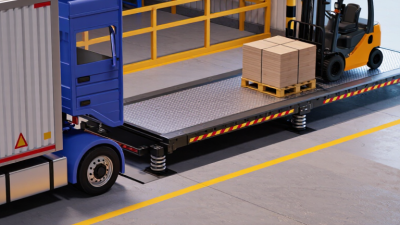
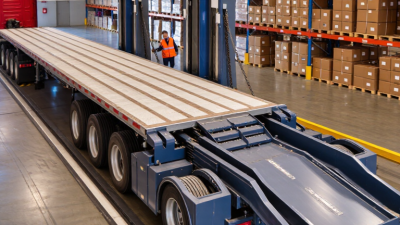
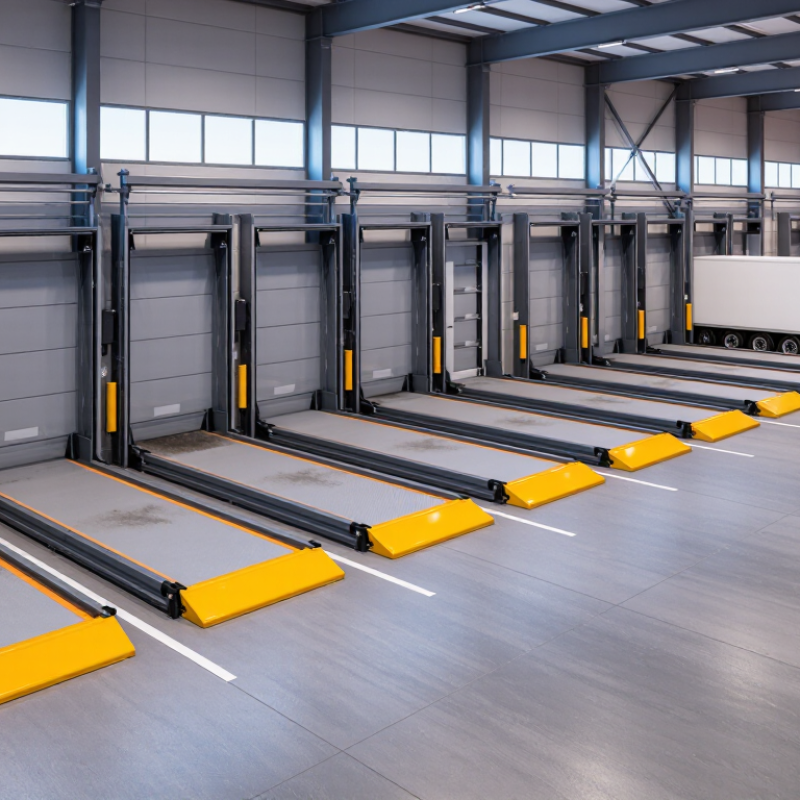
A mechanical dock leveler is a hinged steel platform set into a loading dock. When a truck backs into position, an operator releases the stored spring tension and raises the deck. The hinged lip then rests on the truck bed, creating a bridge for pallet jacks and forklifts. That bridge matters. Truck beds can sit above or below the dock, and the gap changes with vehicle load and suspension movement.
The connection is practical, not permanent. The lip should overlap the truck bed securely, while the deck provides a gradual transition for wheeled loads. Mechanical models use a pull chain or handle, springs, and a counterbalance mechanism; they do not rely on hydraulic power. Operators should check that the truck is restrained, the leveler is rated for the expected load, and the lip remains supported before crossing. Small details count. A bent lip or debris in the pit can disrupt movement.
OSHA’s Powered Industrial Trucks guidance cites estimates of about 85 forklift-related fatalities and 34,900 serious injuries each year in the United States. Those figures cover forklift incidents broadly, not dock levelers alone, but they underline why stable transitions matter. Mechanical systems can be simple to maintain, yet they need regular inspection. A sticky release can be easy to miss during a busy shift.
The Main Types and Components of Mechanical Dock Levelers
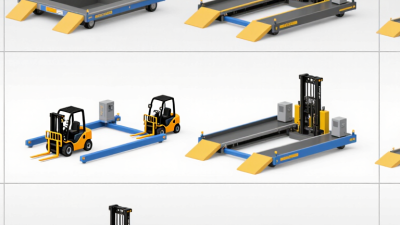
Mechanical dock levelers commonly come in pit-mounted and edge-of-dock designs. A pit-mounted unit sits in a recessed floor opening. Its deck rises to meet the trailer, while a hinged lip bridges the remaining gap. Edge-of-dock models attach to the loading dock face and suit sites with a narrower range of trailer heights. Both rely on mechanical movement rather than powered hydraulic systems. The right choice depends on trailer variation, traffic, and available dock space.
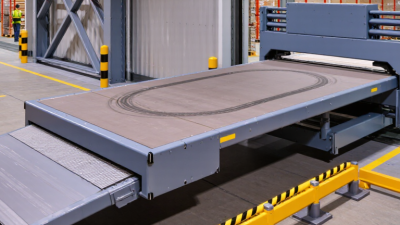
Key components include the steel deck, hinged lip, spring assembly, operating handle or chain, and hold-down mechanism. The springs help counterbalance the deck, making manual operation manageable. The hold-down keeps the leveler secured when not in use. Hinges and linkage points take repeated movement, so worn pins or loose connections can affect smooth operation. Small details matter. A unit may look sound but still move unevenly under load.
Tips: Check the leveler’s rated capacity against actual loads, not just typical ones. Inspect the lip hinge, springs, and hold-down during routine maintenance. Keep the pit clear of debris. A quick visual check is useful, but it cannot reveal every hidden fault.
Top 10 Mechanical Dock Levelers for Global Buyers - The Main Types and Components of Mechanical Dock Levelers
Representative component counts in a pit-mounted mechanical dock leveler assembly
The chart shows a representative assembly: one deck, lip, lifting mechanism, hold-down, safety leg, and pit frame, alongside paired hinge assemblies and dock bumpers. Actual component layouts and counts vary by design and manufacturer.
How to Compare the Top 10 Mechanical Dock Levelers for Global Buyers
Top 10 Mechanical Dock Levelers for Global Buyers
How to Compare the Top 10 Mechanical Dock Levelers for Global Buyers
A useful comparison starts with the dock, not the product list. Record pit width and length, dock height, trailer range, and the heaviest forklift-and-load combination. Compare rated capacity and platform dimensions against real operating conditions, including repeated impacts and uneven loading. A rating alone can mislead.
Check how each leveler is operated and maintained. Ask operators to test the lifting effort, handle position, and lip engagement with typical footwear and gloves. Inspect hinge points, springs, welds, and access for routine servicing. Small differences matter. A low purchase price may be less attractive if replacement parts or trained service technicians are difficult to source locally.
Safety features and documentation deserve equal attention. Confirm the intended operating procedure, inspection guidance, and compatibility with applicable local requirements, such as EN 1398 where relevant. MHI’s 2024 Annual Industry Report found that 55% of respondents planned to increase supply-chain technology investment over the following two years. That figure is not specific to dock levelers, but it highlights why buyers should also assess fit with wider warehouse operations. No comparison table captures every site condition; a measured dock survey and operator trial can expose gaps before purchase.
How to Assess Safety, Installation, and Maintenance Requirements
For global buyers comparing mechanical dock levelers, safety begins with matching the unit to the dock and the work. Check the stated capacity against the heaviest forklift-and-load combination, not just the average pallet. Measure dock height and trailer-bed variation at the actual bay. A mismatch can leave a steep approach or an unstable lip. Small gaps matter. Confirm that operators can engage the leveler from a safe position and that maintenance supports or other specified safeguards are accessible. Train staff to inspect the platform before use and to stop work if it shifts, binds, or makes unusual noises.
Installation quality affects service life. The pit must match the leveler’s dimensions, with sound concrete, secure anchoring, and enough clearance for the mechanism to move freely. Drainage matters, especially where rain or washdown water can collect. Ask the installer to verify alignment with the dock face and test the full operating cycle with no load before handover. Maintenance should follow the equipment manual and suit the site’s operating frequency. Inspect hinges, springs, welds, and the lip for wear or damage; keep the area clear of debris. Not always obvious. A checklist can still miss a recurring problem, so record defects and repair dates. When inspection findings are unclear, have a qualified technician assess the unit rather than guessing.