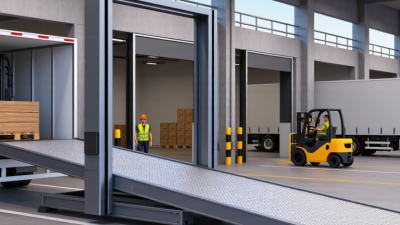
A loading dock leveler is a small part of a busy shipping operation, but its performance affects every pallet crossing the dock-to-trailer gap. A poor fit can leave a steep approach, an unstable transition, or a leveler that cannot handle the loads and traffic it faces. The right choice depends on trailer heights, forklift type, daily cycles, rated capacity, and the dock’s physical layout. Details matter.
The U.S. Bureau of Labor Statistics’ Survey of Occupational Injuries and Illnesses and Census of Fatal Occupational Injuries track workplace harm across industries. They do not isolate incidents caused by loading dock levelers, so their figures should not be treated as leveler-specific evidence. OSHA’s dockboard guidance offers useful context on safe loading transitions and equipment capacity. For buyers, these sources reinforce a practical point: evaluate the complete dock operation, not just the product’s purchase price.
Quality expert W. Edwards Deming cautioned, “A bad system will beat a good person every time.” That principle applies here: even a durable leveler can underperform when its capacity, operating method, or maintenance plan does not match the site. This guide explains how to compare mechanical, hydraulic, and air-powered options, check essential specifications, and ask suppliers focused questions. The details can be easy to overlook. A careful assessment helps you choose equipment that fits real working conditions—not just a catalog description.
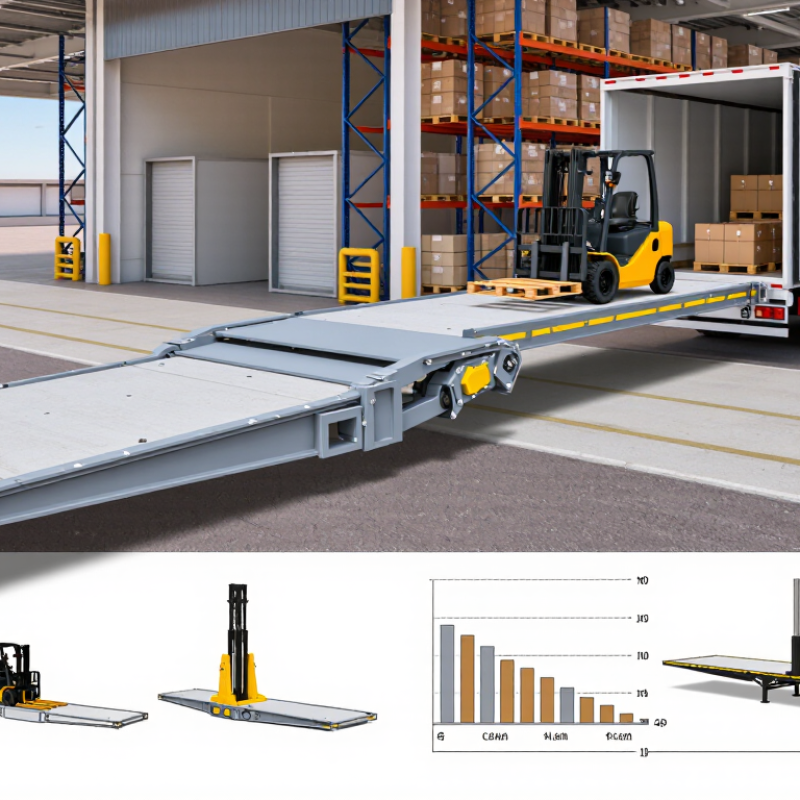
2026 How to Choose a Loading Dock Leveler?
Understanding Loading Dock Conditions and Leveler Requirements
A leveler should match the dock’s real working conditions, not just its rated capacity. Measure the vertical gap between the dock and the highest and lowest truck beds that regularly arrive. Record the largest load, including the forklift and cargo, and note whether traffic is frequent or occasional. A narrow pit, uneven approach, or rainwater near the dock can also affect safe operation. Small details matter. For example, a slight height mismatch can change the ramp angle and make forklift travel less stable.
The U.S. Bureau of Labor Statistics reported a 5.5 injury and illness rate per 100 full-time workers in warehousing and storage for 2022. This industry-wide figure does not measure dock incidents alone, but it highlights the value of reviewing site hazards carefully. Check the floor condition, drainage, traffic flow, and available maintenance access before selecting equipment. OSHA’s 29 CFR 1910.26 requires dockboards to support imposed loads and be secured against slipping. These requirements make load rating and secure installation essential, yet they do not replace a site-specific assessment. A leveler that fits the drawings may still feel wrong in daily use. Recheck measurements with actual trailers and forklifts, and document any assumptions before specifying the unit.
| Dock Condition | Typical Operating Situation | Key Requirement | Leveler Option to Evaluate | Important Selection Checks |
|---|---|---|---|---|
| Regular, high-volume dock | Frequent trailer arrivals and repeated forklift crossings throughout the shift. | Consistent operation, suitable capacity for the actual loaded equipment, and manageable maintenance needs. | Hydraulic pit leveler; consider a vertical-storing model where dock-door sealing or pit access is important. | Confirm the equipment’s rated capacity and rating method; account for forklift weight, cargo, wheel loads, crossing frequency, and impact. |
| Lower-volume dock with a pit | Intermittent loading activity with an existing or planned leveler pit. | Reliable operation matched to usage frequency, available utilities, and maintenance capability. | Mechanical or hydraulic pit leveler, selected to suit operating frequency and site preferences. | Check pit dimensions, lip reach, service access, required controls, and whether the operating method suits the staff and maintenance plan. |
| No pit available | Retrofit location where excavation or structural changes are not practical. | A surface-mounted solution that fits the existing dock face and handles the actual vehicle-height difference. | Edge-of-dock leveler for suitable, relatively limited height differences; a surface-mounted platform may be considered where more range is needed. | Verify dock-face condition, usable platform width, trailer-bed range, lip reach, and the manufacturer’s stated operating limits. |
| Wide variation in trailer-bed heights | Mixed fleets, different trailer types, or sites where vehicle heights vary between arrivals. | Enough vertical travel to bridge the measured difference between the dock and the vehicle bed. | Pit leveler with an operating range selected from site measurements; a vertical-storing design may suit facilities with specific door or sanitation needs. | Measure the dock height and the lowest and highest expected trailer-bed heights under load. Include the required below-dock and above-dock positions. |
| Cold, wet, or washdown environment | Exposure to moisture, temperature changes, cleaning routines, or outdoor air at open doors. | Materials, electrical components, controls, and maintenance procedures appropriate for the environment. | Hydraulic or mechanical pit leveler with site-suitable finishes and protective features specified for the exposure. | Discuss corrosion protection, drainage, water management, electrical protection, and inspection frequency with the supplier and facility team. |
| Forklift and pallet-jack traffic | Loads cross the leveler using different types and sizes of material-handling equipment. | Capacity and platform dimensions appropriate for the heaviest expected loaded equipment and traffic pattern. | Leveler type selected after documenting the equipment, loads, wheel configuration, and crossing frequency. | Do not select by cargo weight alone. Include the forklift’s operating weight, payload, concentrated wheel loads, and dynamic effects. |
| Dock needing a clear doorway or improved access | Facility prioritizes door closure, dock access, or reduced obstruction when the leveler is not in use. | Equipment arrangement compatible with the door, pit, building envelope, and operational sequence. | Vertical-storing pit leveler may be evaluated where its installation and operating requirements suit the facility. | Check door clearances, building layout, pit design, vehicle-restraint coordination, and whether the required maintenance access is available. |
| New dock or major renovation | Leveler can be coordinated with the building design before construction or replacement. | Compatible pit, dock height, doorway, vehicle restraint, and site traffic plan. | Compare pit-mounted configurations against expected traffic, environmental conditions, and the facility’s maintenance strategy. | Coordinate structural dimensions, electrical requirements, drainage, safety features, and installation tolerances before finalizing plans. |
| Planning note: This table is a general selection guide, not a capacity specification. Confirm actual dock and trailer-bed measurements, equipment loads, duty cycle, pit requirements, and applicable safety requirements with a qualified leveler supplier or engineer before purchase or installation. | ||||