7 Tips for Choosing a Hydraulic Dock Leveler?
Choosing a hydraulic dock leveler is not just a matter of matching a platform to a doorway. It affects forklift movement, loading speed, and the daily safety of people working around the dock. A leveler that is undersized may struggle under heavy traffic; one chosen without checking pit dimensions can create costly installation problems. Details matter. Measure the dock height, trailer-bed range, and available pit space before comparing models.
A useful reminder from dock-equipment specialists is, “Select for the loads and conditions you actually handle—not the numbers that look best on paper.” I can’t verify a named expert’s exact wording from the information provided, so I won’t attach this quote to a real person. When evaluating options, look closely at rated capacity, platform size, operating controls, maintenance access, and the local service network. Ask how the unit behaves when trailers sit above or below the dock. Also consider the forklifts and loads that pass over it each shift.
The right choice should fit your busiest working conditions, not just an average day. Still, capacity alone cannot tell the whole story. A rushed measurement or vague maintenance plan can undo an otherwise sound purchase. These seven tips will help you compare hydraulic dock leveler options carefully, ask better supplier questions, and spot details that are easy to overlook.
Understand Your Dock’s Layout and Operating Requirements
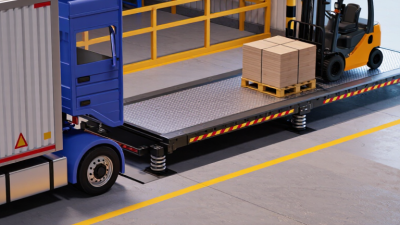
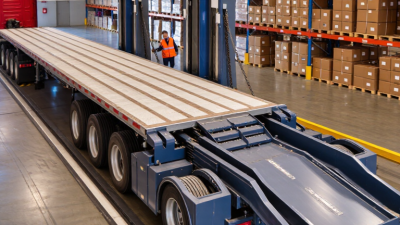
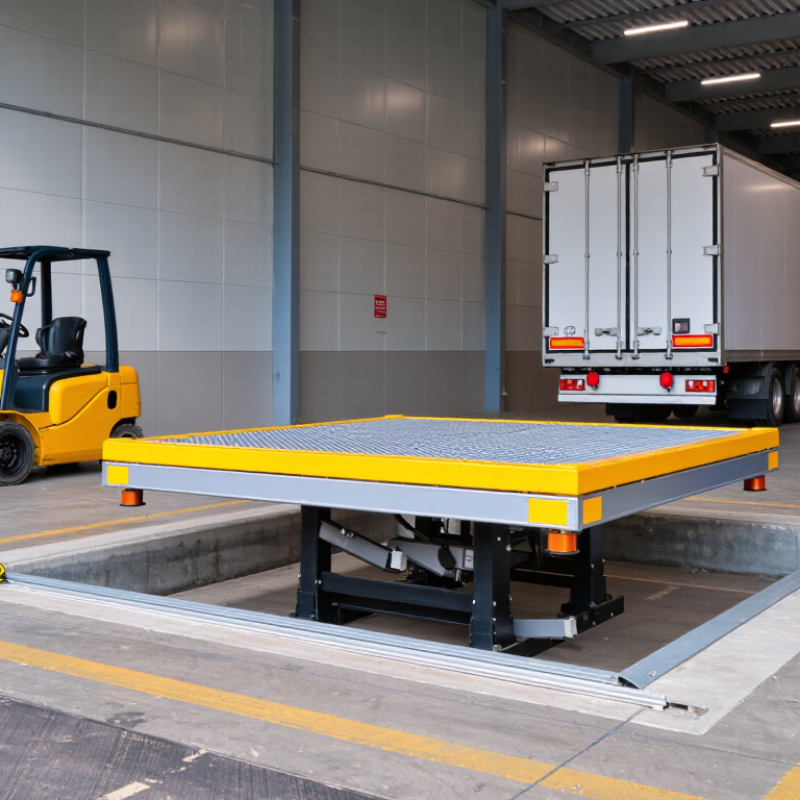
A hydraulic dock leveler should fit the dock, not just the equipment list. Measure the pit length and width, dock height, doorway clearance, and available approach space. Check how trailers sit at the dock, including common differences in bed height. Small height changes matter. A steep transition can affect forklift stability and make pallet movement less predictable. Note nearby columns, door tracks, and traffic lanes before selecting a leveler size.
Think about the work performed at the dock each day. Record the heaviest expected load, including the forklift and cargo, rather than estimating from pallet weight alone. Consider how often the dock is used and whether loads roll, bounce, or stop suddenly. Those details influence capacity needs. A busy dock may need different features from a site with occasional deliveries. It is tempting to choose for peak capacity only, but daily handling conditions deserve equal attention.
Also assess the operating environment and workflow. Dust, moisture, temperature changes, and available electrical service can affect maintenance planning for a hydraulic system. Check where operators stand, how they communicate with drivers, and whether there is room to position a trailer safely. A simple site sketch helps reveal conflicts that measurements miss. It will not answer everything. Confirm dimensions and operating assumptions with a qualified dock-equipment professional before final selection; site conditions are easy to misread.
Match the Leveler’s Capacity to Your Loads and Equipment
7 Tips for Choosing a Hydraulic Dock Leveler?
Match the Leveler’s Capacity to Your Loads and Equipment
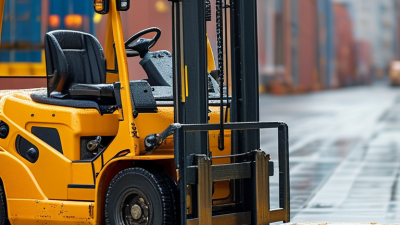
A leveler must handle more than the weight of a pallet. Check the loaded forklift’s gross weight, axle loads, wheel spacing, and turning pattern. A compact electric truck can place heavy, concentrated pressure on a platform. That can matter more than the shipment’s total weight. Include attachments and the heaviest expected load, not just today’s typical shipment. A little margin helps, but oversizing without checking the dock structure is not a complete solution.
NIOSH’s 2001 forklift safety alert reviewed 1,021 work-related forklift fatalities recorded from 1980 through 1994. This historical figure is not a current risk rate, but it underscores why equipment and operating conditions deserve careful review. Ask the leveler supplier to confirm rated capacity against your actual truck and loading scenario. Also check whether the rating assumes a particular load distribution. OSHA requires powered industrial trucks to show their rated capacity on a nameplate, so use that plate as a practical reference. Measure carefully. I once thought the heaviest pallet was the key number; it wasn’t. The truck’s axle loading changed the calculation. Keep the truck specifications and leveler rating on file, and revisit them when equipment changes.
Check Safety Systems, Installation Needs, and Maintenance Access
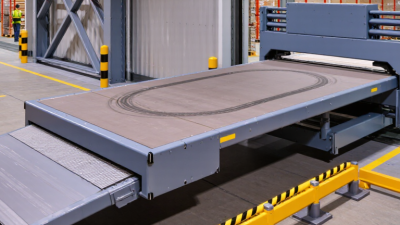
A hydraulic dock leveler should protect people as well as move freight. Check that the safety lip engages properly and that guards cover pinch points around the platform. Test the emergency stop and confirm the leveler’s rated capacity suits the heaviest expected load. Small details matter. A platform that looks sound may still shift under a loaded pallet truck. Keep the test area clear, and follow the equipment maker’s inspection instructions.
Installation starts with accurate measurements. Confirm pit width, depth, and squareness, then check slab condition and anchor locations. Measure door clearance and truck approach height, too. Drainage and power access can be easy to overlook, especially in older buildings. Drawings help, but they may not match the site. Recheck dimensions before ordering or cutting concrete; a few millimeters can become an expensive problem.
Maintenance access deserves attention before the leveler is installed. Make sure technicians can reach grease points, hinges, hydraulic lines, and electrical disconnects without moving stored pallets. Leave room to inspect for oil leaks, loose fasteners, worn hoses, and cracked welds. Keep a simple service log with dates and findings. It will not catch everything, but it can reveal a pattern before a minor issue interrupts loading.
Evaluate Suppliers, Warranties, and Long-Term Support
7 Tips for Choosing a Hydraulic Dock Leveler?
A capable supplier should explain how its leveler fits your dock, not just quote a load rating. Ask about installations with similar traffic, forklift weights, and operating conditions. Request drawings, hydraulic details, and a clear list of required site preparations. A supplier’s service area matters, too. If a technician must travel several hours, a minor fault can keep a bay idle longer than expected.
Read the warranty before comparing prices. Check whether it covers parts, labor, travel, and replacement components, and note any exclusions for wear or maintenance. Ask how quickly warranty claims are reviewed and what records you must keep. Get the answers in writing. A long warranty can look reassuring, but it may offer little practical help if labor is excluded or parts take weeks to arrive.
Long-term support depends on more than warranty length. Ask which seals, hoses, valves, and pump components the supplier keeps available, and how long common parts are expected to remain supported. Find out whether technicians can troubleshoot remotely and whether service manuals are provided to your maintenance team. These details are easy to overlook during a purchase. I might still miss something: future staffing and parts availability can change, so ask how the supplier communicates changes and plans for older equipment.