How to Choose a Hydraulic Dock Leveler?
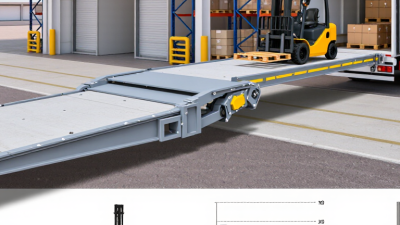
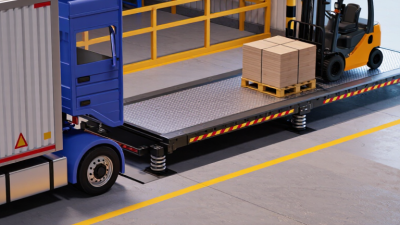
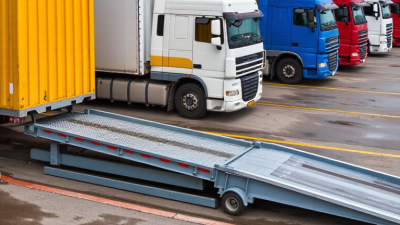
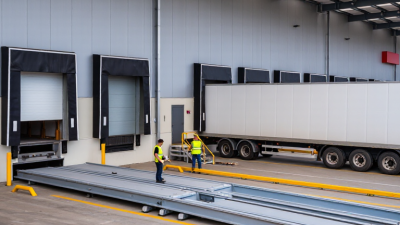
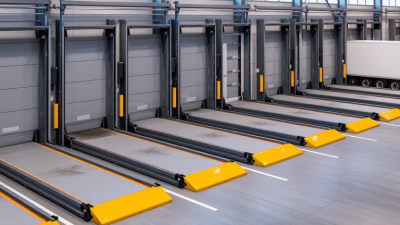
A loading dock is a small part of a facility, but a poor equipment choice can slow every truck turn. A hydraulic dock leveler bridges the height gap between a dock and a trailer, helping forklifts move goods across the transition. The right model depends on more than lift capacity. Trailer range, load rating, platform size, pit dimensions, traffic frequency, and maintenance access all matter. A mismatch can mean awkward approaches, repeated service calls, or a leveler that does not suit the fleet. Details matter.
The MHI 2024 Annual Industry Report, developed with Deloitte, surveyed more than 1,700 supply chain professionals. It reported that 55% planned to increase investment in supply chain technology. That figure does not measure dock equipment directly, but it shows why reliable material flow remains a practical investment concern. At the dock, reliability starts with matching equipment to actual operating conditions—not simply selecting the highest capacity or lowest quote. Measure trailers at their lowest and highest bed heights, consider the heaviest combined forklift-and-load weight, and check how often the dock is used. Do not guess. Manufacturer specifications and a site assessment can help verify those details.
This guide explains how to compare hydraulic dock levelers by capacity, configuration, safety features, installation needs, and long-term service. It also highlights trade-offs that are easy to miss during purchasing. A leveler can look right on paper and still be wrong for a particular dock. That deserves a second look.
Define Your Loading Dock Requirements
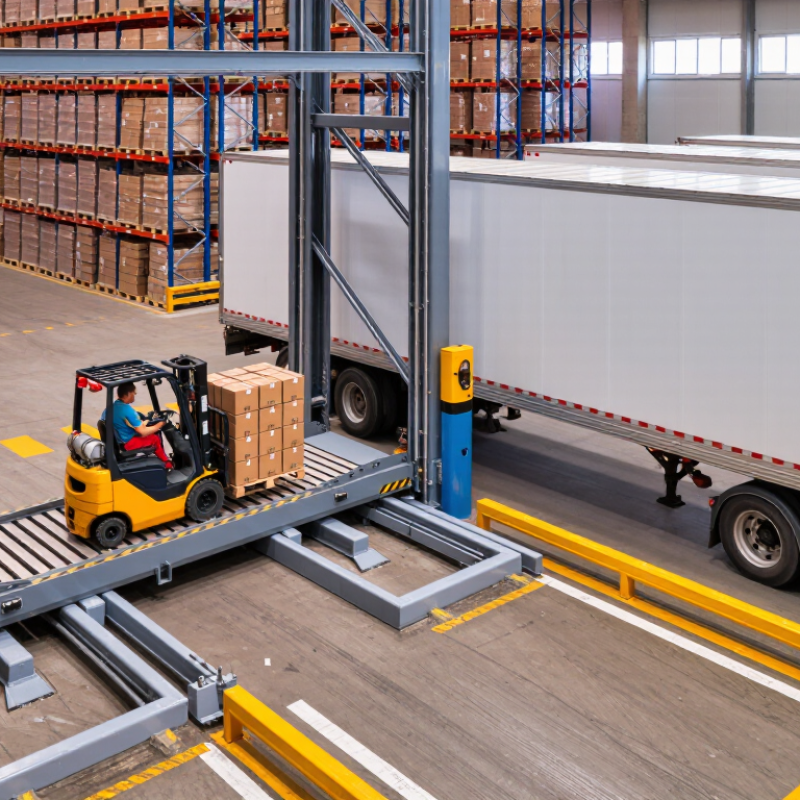
Before selecting a hydraulic dock leveler, document how your dock actually operates. Measure the dock height and compare it with the bed heights of the trucks you receive most often. A leveler must bridge the vertical gap and provide a safe transition for forklifts and pallet trucks. Measure carefully. A few inches matter.
Record the heaviest expected load, including the forklift, operator, and cargo moving across the platform. Note daily truck volume, peak periods, and whether vehicles arrive with unusually high or low beds. These details help determine capacity and operating range. Also check available pit dimensions, electrical supply, indoor or outdoor exposure, and the space needed for service access. Dust, moisture, and temperature changes can affect equipment condition over time. Ask maintenance staff what problems recur at the dock; their observations may reveal requirements a drawing misses. Our first measurements may still be incomplete. Recheck them against real vehicle data before specifying a model, and consult a qualified installer when site conditions are uncertain.
Check Dock Dimensions and Site Compatibility
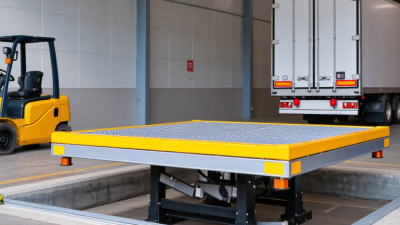
Before selecting a hydraulic dock leveler, measure the dock opening and the full pit, not just the visible platform. Record pit length, width, and depth at several points; older concrete edges may not be square. Measure the dock height and compare it with the expected trailer-bed heights. The leveler’s working range must bridge that difference without creating a steep or unstable transition. Measure twice. A few centimeters can affect fit and safe operation.
Check the approach area as carefully as the pit. Note door tracks, bumpers, walls, drainage channels, and any pipes or cables that could obstruct installation or servicing. Confirm there is enough room for the lip to reach the trailer floor, including when vehicles park slightly off-center. Small gaps matter. Also consider whether rainwater can drain away rather than collect beneath the unit. A site survey can catch these details, though measurements alone may miss a weak or damaged pit edge.
Traffic and loads shape compatibility, too. Match the leveler’s rated capacity to the heaviest expected load, including the forklift and cargo, and verify that the floor can support operating forces. Do not assume a standard pit will fit every model; dimensions and clearance requirements vary. If measurements conflict with the equipment drawings, pause and have a qualified installer review the site. A rushed fit can be costly, and I would recheck the approach slope before approving the layout.
Select the Required Load Capacity and Platform Size
A hydraulic dock leveler should match the loads and vehicles your dock handles every day. Check the combined weight of the heaviest pallet, handling equipment, and any goods carried on it. A forklift’s wheel loads can stress one small area of the platform, even when the total load seems acceptable. Use the leveler’s rated capacity and loading guidance, and ask a qualified supplier to review unusual equipment or concentrated loads. A neat calculation can still miss real operating habits.
Platform size matters just as much. Measure the dock opening, truck-bed range, and available space inside the building. The platform must provide enough width for the forklift to cross safely, including when pallets are slightly off-center. Check the leveler’s reach and lip contact with the truck bed, too. A truck that parks at a slight angle can reduce usable coverage. Measure several vehicles from your actual fleet, not just the newest one.
Tips: Record the heaviest load, forklift type, wheel configuration, and truck-bed heights. Small details matter. Leave room for imperfect parking, but avoid choosing a larger platform without checking structural and installation requirements.
Compare Hydraulic Systems and Safety Features
Hydraulic dock levelers vary in how their pumps and cylinders raise the deck and extend the lip.
A single-button system can simplify operation: press the control, and the deck rises before the lip moves outward. Other designs provide separate controls, which may suit specific loading routines but require clearer operator training.
Check the cycle time, rated capacity, and service access, not just the control panel.
A quiet pump is pleasant, but it does not prove the unit is properly sized.
Safety features deserve a close comparison.
A velocity fuse can restrict a sudden drop if a hydraulic line fails, while a maintenance prop supports the raised deck during servicing. Side toe guards help reduce exposure to pinch points, but they do not replace safe procedures. Confirm which features are included and how they are tested.
Small details matter.
For example, inspect whether controls are reachable without standing in the truck’s path, and whether warning labels remain visible under warehouse lighting.
Match the system to the dock’s daily use.
Frequent cycles may call for components designed for heavier duty, while cold or dusty conditions can affect hydraulic performance and maintenance needs. Ask how often fluid, hoses, and seals should be checked.
I would not assume every “hydraulic” model handles failures the same way; specifications and safeguards differ.
Review the pit dimensions, vehicle range, and service plan with a qualified installer before selecting a unit.