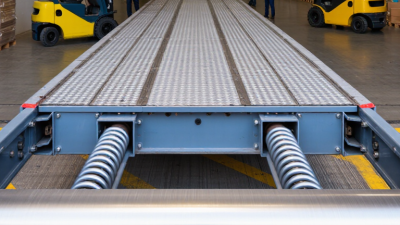
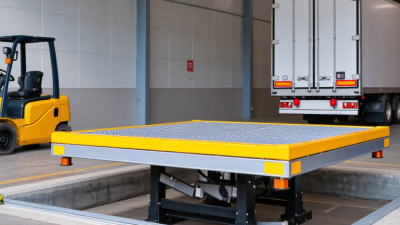
A loading dock leveler is not just a steel bridge between a truck and a warehouse floor. For global buyers, it is a safety-critical piece of equipment shaped by vehicle sizes, daily volume, climate, and site layout. A unit that works well at one dock may struggle at another. Even a few centimeters of height mismatch can affect trailer access and material handling. Small details matter. Lip length, rated capacity, deck width, and control placement all deserve careful review before an order is placed. Rain, dust, salt air, and temperature swings can influence materials, seals, and maintenance needs. A low quote can look convincing until freight, installation, or replacement parts change the real cost.
This guide presents seven practical buying tips for comparing a loading dock leveler across suppliers and markets. Start with measured dock and vehicle data, not a standard-size assumption. Measure twice. Confirm how capacity is rated and which load conditions the specification covers. Ask suppliers for drawings, warranty terms, service guidance, and evidence of relevant testing or quality controls. Check electrical requirements, operating method, and spare-parts availability before finalizing shipment. Where local standards apply, verify requirements with a qualified local professional; they vary by location. Still, no checklist captures every site condition. A careful survey may reveal constraints that product sheets do not show. Use these tips to ask sharper questions and choose equipment that fits the dock, not merely the quote.
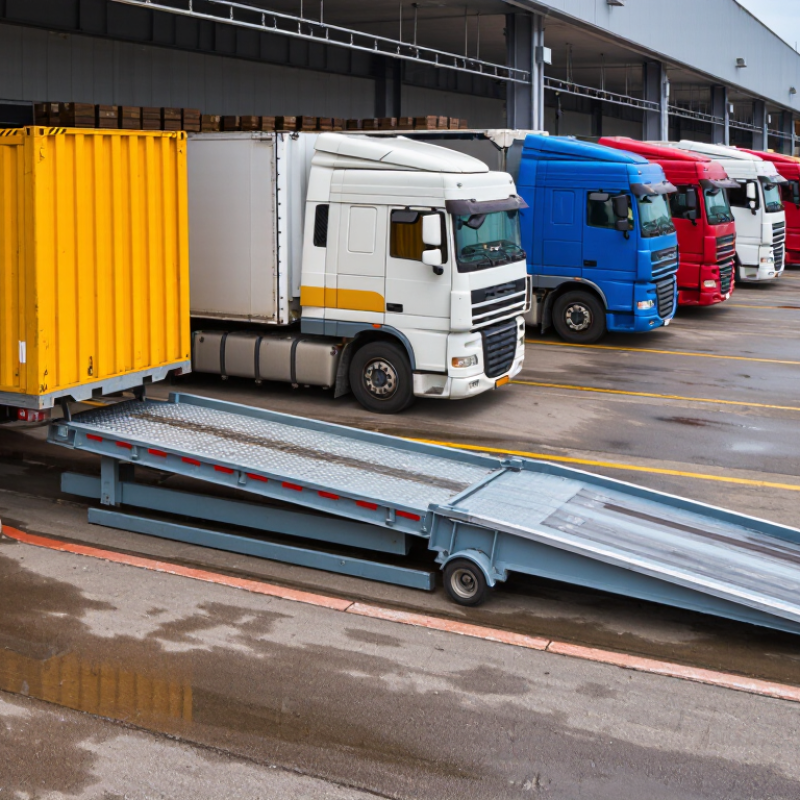
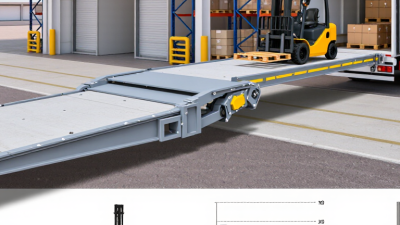
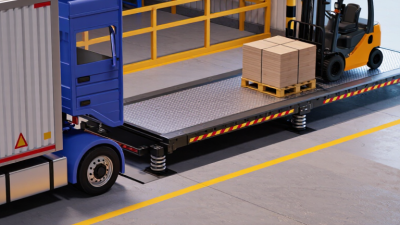
A loading dock leveler bridges the gap between a building floor and a truck bed. Its hinged lip rests on the trailer, creating a route for forklifts and pallet loads. The dock height, vehicle range, load rating, and daily cycle count all affect selection. Small mismatches matter. A leveler rated for a pallet’s weight may still be unsuitable for a heavy forklift carrying it.
Mechanical levelers use springs and a pull chain; they need no electrical power, but require periodic adjustment and operator effort.
Hydraulic models raise and position the deck with powered controls, making frequent use simpler, though they depend on reliable power and servicing.
Air-powered models use an inflatable bag to lift the deck.
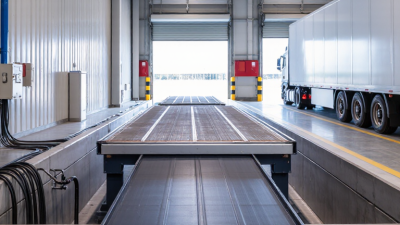
Vertical-storing designs stand upright when idle, helping keep the dock opening closed. They suit some temperature-controlled facilities, but need compatible building layouts.
MHI’s 2024 Annual Industry Report found that 55% of surveyed respondents planned to increase supply-chain technology investment. That figure signals growing attention to equipment, not proof that powered levelers suit every dock. Match the mechanism to traffic and maintenance capacity. Check the leveler’s rating against the heaviest combined forklift-and-load weight, not just the pallet. One detail is easy to miss: trailer heights vary, so confirm the working range with actual vehicles. The right choice takes site measurements, and those measurements can be imperfect.
A loading dock leveler must match the dock, not just the truck fleet’s average height. Measure the pit width and length, dock height, and actual trailer-bed heights across several shifts. Note uneven yards, steep approaches, and door clearances; each can affect how safely a forklift crosses the transition. A small measurement error matters. Check the leveler’s working range against the highest and lowest trailers you expect, including occasional outliers.
Capacity needs more than the forklift’s rated weight. Include the truck, attachment, operator, and heaviest carried load, then consider repeated traffic and concentrated wheel loads. OSHA estimates that powered industrial truck incidents cause about 85 fatalities and 34,900 serious injuries each year in the United States. That figure covers many workplaces, not docks alone, but it underscores why smooth transitions and suitable capacity matter. Ask suppliers how their rating is defined; ratings may not be directly comparable.
Operating conditions shape the right design. Outdoor docks exposed to rain, dust, salt air, or freezing temperatures may need different materials, drainage, and maintenance plans than enclosed facilities. Check power availability, expected cycles per day, and service access before choosing hydraulic or mechanical operation. Measure in real conditions. One detail is easy to miss: a leveler can fit the pit yet still conflict with door tracks or nearby equipment. Recheck the layout with maintenance staff, not only the purchasing team.
Compare nominal capacity classes when assessing load requirements. Ratings are not a substitute for calculating the combined weight of the forklift, load, and other equipment crossing the leveler.
Buying tip: Confirm the leveler rating against actual operating loads, dock layout, vehicle heights, and expected usage. Verify capacity definitions and safety requirements with the leveler supplier.
A leveler should match the dock’s traffic, pit dimensions, and maintenance capacity. Mechanical models avoid electrical systems, but operators must manage the pull chain and inspect springs. Hydraulic units use push-button controls and suit frequent cycles; check cylinder access and service support before buying. Air-powered designs can simplify some installations, yet require a dependable compressed-air supply. Small details matter. Measure trailer-bed heights across the fleet, not just one vehicle, and check whether the lip reaches safely without striking the trailer.
Safety features deserve the same scrutiny as power. Look for clearly marked capacity, effective lip support, guarded pinch points, and maintenance props that prevent unintended platform movement. OSHA’s 29 CFR 1910.26 requires dockboards to be secured against movement and rated for their maximum intended load. The U.S. Bureau of Labor Statistics recorded 1,942 fatal work injuries from transportation incidents in 2023; this figure covers all industries, not dock-leveler events, but underscores the risks around moving equipment. Not automatically safer. Ask suppliers for documented cycle testing, inspection intervals, and parts availability in your region. One awkward point: a powered leveler can reduce manual effort, but poor training or skipped inspections can still leave operators exposed. Compare the full service plan, not just the purchase price.
| Buying Tip | Design or Power Option | Typical Fit | What to Compare | Safety and Operating Considerations | Global Buyer Checklist |
|---|---|---|---|---|---|
| 1. Match the leveler to the dock-height range | Pit-mounted, edge-of-dock, or vertical-storing leveler | Pit-mounted units are commonly considered for a broad range of dock applications. Edge-of-dock units attach to the dock face and generally have a more limited operating range. Vertical-storing units are useful where the dock opening needs to close or remain accessible for cleaning. | Measure dock height and the expected truck-bed heights. Check the leveler’s published working range and confirm that it suits the actual vehicles using the dock. | Use only within the manufacturer’s specified operating range. Confirm that the platform and lip can make a stable transition to the vehicle bed. | Collect vehicle-height data from the local fleet, including any variations in trailers and loading conditions. Do not assume a standard dock height fits every market. |
| 2. Choose a design that suits the building and workflow | Pit-mounted leveler | Often selected for new construction or facilities with a suitable recessed pit. It can form a relatively flush dock-floor surface when stored. | Review pit dimensions, concrete details, drainage, installation access, and the effect of the leveler on door and dock layout. | Specify toe guards or other guarding where required by the design and applicable rules. Confirm safe access for inspection and maintenance. | Get pit drawings and installation requirements before construction. Check local building, accessibility, and occupational-safety requirements. |
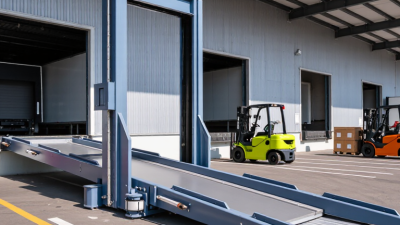
| 3. Consider an edge-of-dock unit when pit work is impractical | Edge-of-dock leveler | May suit existing docks where excavating or rebuilding a pit is undesirable and vehicle-height variation is within the unit’s rated range. | Compare the rated operating range, capacity, dock-face condition, and compatibility with the vehicles and handling equipment used at the site. | Check the model’s retention, lip-positioning, and stored-position provisions. Keep the dock face and attachment area structurally sound. | Include installation labor and any dock repairs in the cost comparison. Confirm that the selected model is available with documentation for the destination market. |
| 4. Compare mechanical, hydraulic, and air-powered operation | Mechanical spring-assisted, hydraulic, or air-powered leveler | Mechanical models can avoid a dedicated electric power connection. Hydraulic and air-powered models use powered systems to raise or position the deck, depending on the design. | Compare operating effort, control method, duty cycle, maintenance needs, and the availability of power or compressed air at the dock. | Check how the unit behaves during a power or air-supply interruption and what safe procedures apply. Follow the manufacturer’s instructions for stored energy and maintenance. | For powered equipment, verify local voltage, phase, frequency, wiring, and control requirements. Do not assume electrical specifications are the same across countries. |
| 5. Select capacity using the real loading application | Any design; capacity is specific to the model and application | Capacity selection depends on the loads crossing the leveler, including material-handling equipment and the way it is used. | Ask the supplier to confirm the rated capacity and the applicable rating method. Provide equipment weights, load distribution, traffic frequency, and operating details. | Never exceed the leveler’s marked rating. A nominal capacity alone does not establish suitability for every concentrated, dynamic, or repeated load. | Check that rating labels, manuals, and technical documents use units and terminology understood by local installers and operators. |
| 6. Review safety features and safe-maintenance provisions | Safety features vary by leveler design and model | Consider features such as toe guards, lip restraints, safe-stored-position controls, and maintenance supports where provided or required. | Request a feature list and operating sequence. Confirm which safeguards are standard, optional, or dependent on the installation. | A maintenance prop or other approved means of securing the platform can help protect service personnel when used as instructed. Operators should be trained to follow site procedures. | Compare the proposed safeguards with applicable local standards and workplace rules. Verify inspection and maintenance instructions are available in a usable language. |
| 7. Evaluate lifecycle support, environment, and documentation | All designs and power options | Especially important for docks exposed to moisture, temperature extremes, dust, washdown, or intensive daily traffic. | Compare corrosion protection, seals, replaceable wear parts, service access, maintenance intervals, and the availability of compatible components. | Set routine inspection and maintenance procedures based on the manufacturer’s instructions and site conditions. Remove damaged equipment from service until it is assessed. | Confirm delivery scope, installation guidance, spare-parts availability, warranty terms, language options, and compliance documents before placing an order. |
Global buyers should verify the standard that applies at the installation site, not rely on a vague “internationally compliant” claim. For mechanical dock levelers, ask whether the design and test documentation address EN 1398 or the relevant local requirements. Request load ratings, platform dimensions, drawings, inspection records, and translated operating instructions. Check that the rated capacity suits the actual forklift, cargo, and approach angle. A rating alone does not prove the equipment fits your dock.
Tip: Verify the supplier’s credentials through current quality certificates, test reports, and named inspection bodies. Confirm certificate scope and expiry dates directly with the issuer where possible. The U.S. Bureau of Labor Statistics reported 1,523 fatal work injuries in transportation and warehousing in 2023. That sector-wide figure is not specific to dock equipment, but it reinforces the need to review the full loading area, including vehicle restraint, lighting, and safe operating procedures.
Compare total cost, not just the quoted unit price. Include freight, customs charges, installation, power supply, staff training, spare parts, and expected maintenance. Ask for service intervals and lead times for wear components such as hinges and hydraulic seals. A cheaper quote may still make sense, but only if its assumptions are clear. They often are not. Recheck the estimate against your site conditions before signing.
Planning Installation, Maintenance, and Long-Term Performance
A leveler’s service life starts with a careful site review. Measure the dock pit, approach height, and available clearance before choosing a model. Check the slab and pit edges for damage; a leveler needs a sound supporting structure. Consider the expected load, forklift wheel type, and daily traffic, not just the heaviest pallet. Installation also needs room for safe servicing and suitable power or hydraulic connections. Measure twice. Even careful plans can miss a drain, conduit, or door track.
Tips: Ask the installer to confirm pit dimensions and mounting details against the equipment drawings. Arrange delivery so the unit can reach the dock without blocking active loading lanes. Before handover, test the leveler through its operating range and review emergency controls with staff. Keep records.
Long-term performance depends on simple, consistent checks. Inspect hinges, welds, lip movement, hoses, and visible wiring on a set schedule. Clear debris from the pit, especially after wet or dusty shifts. Report unusual noise, slow movement, or uneven travel early; these can signal wear or a developing fault. Follow the manufacturer’s maintenance guidance, and use qualified service personnel for repairs. A checklist helps, though people may still overlook small changes during busy periods. Review maintenance notes periodically and adjust inspection frequency when traffic or operating conditions change.