How to Choose a Loading Dock Plate in 2026?

Choosing a loading dock plate in 2026 means matching a simple piece of equipment to a busy, changing workplace. The U.S. Census Bureau reported that e-commerce accounted for 16.1% of U.S. retail sales in the fourth quarter of 2024. That growth puts added pressure on receiving areas, where forklifts, pallet jacks, and delivery schedules converge. A small mismatch can mean a steep crossing, a stalled unload, or repeated impacts at the dock edge.

Industry reports offer useful context, but they do not replace site measurements. MHI’s 2024 Annual Industry Report discusses the continuing focus on supply chain efficiency and resilience. For a dock, that translates into practical questions: What is the heaviest loaded truck or forklift combination? How wide is the narrowest vehicle? How often will the plate be moved, and who will handle it? Confirm the manufacturer’s rated capacity and the conditions behind that rating. Load placement matters. So do wheel contact points and the transition angle.

A reliable selection also depends on the gap’s height and width, surface traction, plate material, and storage method. Measure the dock and vehicle positions during normal operations, not only when everything is neatly aligned. A dimension is easy to overlook. Consider whether a portable plate suits occasional, light-duty transfers, or whether frequent traffic calls for a different dock solution. Still, a specification sheet cannot capture every awkward approach angle or wet morning. Record those details, compare them with the manufacturer’s guidance, and have qualified staff verify the fit before use. That extra check may feel slow. It is often the sensible part.
How to Choose a Loading Dock Plate in 2026?

How a Loading Dock Plate Works and Where It Is Used

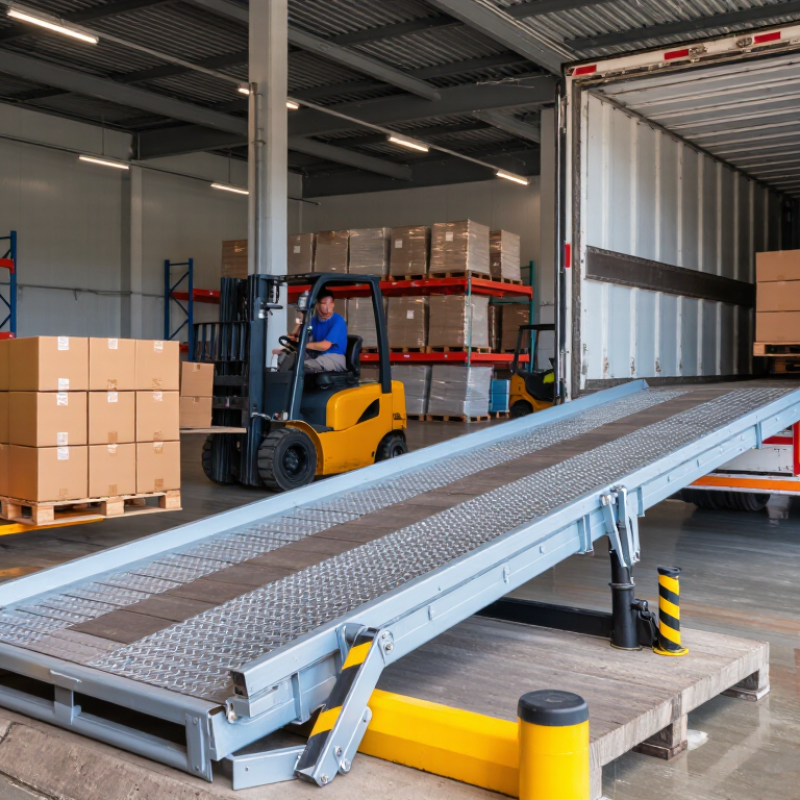
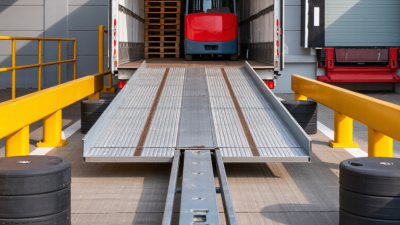
A loading dock plate bridges the narrow gap between a raised dock and a truck bed. Its rigid surface gives workers and wheeled equipment a continuous path across the opening. At the dock edge, the plate rests securely; its opposite end sits on the vehicle floor. Some models are moved by hand, while heavier dock levelers are built into the dock and adjusted mechanically.

Small gaps matter. The plate must match the height difference and support the heaviest expected load, including equipment and cargo. A pallet jack may cross a plate rated for that task, but a forklift needs a plate specifically rated for its wheel loads. Textured surfaces can improve traction, though dust, oil, or rain may still make footing uncertain. Check that the plate is centered, stable, and free of visible damage before use.

Loading dock plates are common in warehouses, distribution centers, and smaller receiving areas without permanent levelers. They help crews move pallets, carts, and supplies between vehicles and buildings. In practice, the fit is not always neat: truck beds vary, and suspension can shift during loading. Recheck the plate if the vehicle moves, and follow the equipment’s rated capacity. A quick visual check is useful, but it cannot replace proper training.

How to Measure the Dock, Vehicle, and Transfer Gap

How to Choose a Loading Dock Plate in 2026?
How to Measure the Dock, Vehicle, and Transfer Gap

Before choosing a plate, measure the dock height from the finished floor to the loading edge. Measure the vehicle bed at its actual stopping position, not from a brochure. Air suspension and cargo can change bed height. Record the highest and lowest readings across several visits. Small differences matter.

Measure the horizontal gap from the dock edge to the vehicle bed, then check the full opening width. Look for uneven edges, obstructions, and space needed for the plate to sit flat. A tape measure can miss a sloped or damaged edge, so use a straightedge and inspect the surface. Compare the measured height range and gap with the plate’s rated operating range and load capacity. Include the heaviest expected load, such as a loaded pallet jack, not just the pallet.

Tips: Take measurements at both corners and the center. Write down units and vehicle conditions. Recheck after repositioning the truck. It sounds fussy. It is cheaper than choosing a plate that bridges the gap poorly. If readings vary, ask a qualified dock professional to verify the fit before ordering. Real sites rarely match neat drawings.

How to Choose a Loading Dock Plate in 2026? - How to Measure the Dock, Vehicle, and Transfer Gap

Measure the dock and the vehicle at the actual loading position, then choose a plate that bridges the measured gap, provides adequate usable width, and is rated for the heaviest expected load. The sample measurements below are illustrative only; confirm all dimensions and operating limits at your site.

Measurement or Check How to Measure Illustrative Site Data How It Affects Plate Selection
Dock, Vehicle, and Transfer Gap
Dock height Measure vertically from the level approach floor to the dock surface where the plate will rest. 48 in (1,219 mm) Use as the fixed reference height. Check that the dock edge is sound, level, and suitable for supporting the plate.
Vehicle-bed height With the vehicle positioned for loading, measure vertically from the approach floor to the vehicle floor. Check the actual vehicles used, since bed heights vary. 46 in (1,168 mm) The sample vehicle floor is 2 in (51 mm) below the dock. The plate must safely accommodate this height difference within its specified operating limits.
Vertical height difference Subtract the lower surface height from the higher surface height; record which end is higher. 48 in − 46 in = 2 in (51 mm), dock higher Confirm the plate’s permitted height range and slope with its manufacturer. Do not assume a plate can bridge every height difference.
Horizontal transfer gap Measure the horizontal distance between the dock edge and the vehicle-floor edge while the vehicle is secured in its loading position. 4 in (102 mm) The plate must span the gap and retain the required support on both bearing surfaces. Include vehicle-position variation in the site assessment.
Available approach length Measure the clear distance available for the plate and for equipment to travel across it. 36 in (914 mm) available Check that the plate’s overall length and transition geometry fit the space and produce a slope within the manufacturer’s limits.
Clear opening and usable plate width Measure the clear dock opening and the narrowest usable width along the vehicle-to-dock path. Account for door tracks, bumpers, and other obstructions. 96 in (2,438 mm) clear opening Select a width that provides safe clearance for the forklift, pallet, and wheel path while fitting the available opening. Confirm the required side clearance at the site.
Vehicle-position variation Record the range of vehicle positions and bed heights across the vehicles that will use the dock. Measure each vehicle type; no single fleet-wide value assumed Size for the full operating range, not just one truck. Recheck the gap and height after the vehicle is positioned and restrained.
Load, Capacity, and Final Verification
Maximum moving load Identify the heaviest loaded forklift or other equipment that will cross the plate, including its load and the manufacturer’s applicable load-rating method. Example: a 10,000 lb (4,536 kg) loaded forklift Choose a plate with a rated capacity appropriate for the actual equipment and loading conditions. Do not select by pallet weight alone or exceed the plate’s stated rating.
Traffic and wheel loading Confirm equipment type, wheel configuration, travel direction, frequency of crossings, and whether loads are concentrated on particular wheels. Record forklift type and expected daily crossings Ask the manufacturer to verify suitability for the equipment and usage. A stated capacity may depend on the specified load distribution and operating conditions.
Plate restraint and bearing Check how the plate is secured against slipping and verify that both ends have adequate, stable support during use. Verify on-site before each operating setup Use the plate only with its intended safety features and installation method. Do not use a plate that rocks, shifts, is damaged, or lacks proper support.
Final fit check After positioning and securing the vehicle, remeasure the transfer gap and height difference; inspect the plate’s fit before moving equipment across it. Recheck for every vehicle setup Confirm the plate is centered, stable, within its rated capacity and permitted height range, and compatible with the planned equipment and traffic.

Important: The sample values are measurement examples, not a product specification or a recommendation for a particular plate. Plate dimensions, capacity, allowable slope, support requirements, and operating procedures vary by design. Follow the plate manufacturer’s instructions and applicable workplace safety requirements.

How to Choose Plate Capacity, Material, and Surface Type

Start with the heaviest load that will cross the plate, not the average shipment. Include the forklift or pallet truck, its cargo, and the heaviest wheel load. A machine’s total weight can hide pressure concentrated on a small wheel. Check the plate’s rated capacity against the equipment specifications, and ask a qualified supplier or engineer to confirm unusual loads or frequent impacts. Leave room for real operating conditions; a quick estimate can miss a heavy attachment.

Material affects both handling and durability. Steel is often suited to demanding traffic, but its weight can make manual positioning difficult. Aluminum is lighter and easier to move, though the required capacity and duty cycle still need verification. Consider exposure, too: rain tracked indoors, washdown water, and road salt can change corrosion needs. A plate that looks fine in a dry warehouse may age differently near an open dock.

Choose a surface that matches the tires and floor conditions. Raised tread can improve traction, especially when dust or moisture is present, but inspect it for wear and buildup. Smooth surfaces may be easier to clean, yet can become slick. Test the transition with the actual equipment if possible. Even careful planning has limits; surface performance changes when conditions do. Check the plate width, lip fit, and dock-height range alongside capacity, since a good surface cannot fix a poor fit.

How to Choose a Loading Dock Plate in 2026

Compare rated-capacity options with the weight of the loaded equipment crossing the plate.

Capacity: The chart uses an 8,000 lb example equipment weight and illustrative plate ratings. Select a plate based on the heaviest loaded vehicle and its concentrated wheel or axle loads; confirm the rating and operating conditions with the manufacturer.

Material and surface: Aluminum is lighter and easier to handle for many portable applications; steel is typically chosen for heavier-duty use. Choose a traction surface suited to the wheels, weather, and debris at your dock, and follow the manufacturer’s guidance.

Which Safety Features and Compatibility Requirements to Check

When choosing a loading dock plate, check how it will meet the dock and vehicle in everyday use. Measure the dock height and the trailer-bed range, not just one parked truck. Confirm the plate’s width and usable length suit the forklift, pallet, and approach angle. A plate that fits on paper may still leave a narrow turning path. Small details matter.

Match rated capacity to the heaviest combined load, including the forklift, cargo, and any attachments. Do not rely on the pallet weight alone. Check the surface for traction, especially where rain, dust, or oil may collect. Look for secure positioning features, such as hooks or other restraints, and confirm the plate cannot shift during loading. Inspect hinges, welds, edges, and moving parts for damage before use. A checklist can miss wear that is obvious up close.

Compatibility also depends on how the plate is handled and stored. Verify its weight, lifting points, and clearance against the equipment and storage space available. Ask whether the dock lip and trailer edge provide stable contact across the full working width. If measurements vary between bays, treat them as separate checks. It is easy to focus on capacity and overlook fit; that is worth questioning before purchase. Keep inspection and maintenance instructions accessible to operators, and remove a plate from service if its condition is uncertain.

How to Compare Installation, Maintenance, and Long-Term Costs

How to Choose a Loading Dock Plate in 2026?
How to Compare Installation, Maintenance, and Long-Term Costs

Choosing a loading dock plate in 2026 means comparing more than purchase prices. Installation can change the real cost quickly. Measure the vertical gap, dock edge, and heaviest wheel load before requesting quotes. Confirm the plate’s rated capacity covers the combined weight of equipment and cargo, not just the vehicle. A poor fit may shift, bend, or create a trip hazard.

Ask what installation includes: site inspection, hardware, labor, and dock modifications. Portable plates may cost less to set up, but they need safe storage and trained staff for positioning. Hinged or powered models can reduce handling time at busy docks, though they may require electrical work and specialized repairs. Small details matter. Forklift turning clearance can affect every shift.

Compare maintenance schedules, parts availability, inspection tasks, and repair response times. Check welds, hinges, nonslip surfaces, and safety markings regularly, following the maker’s guidance and actual traffic levels. Estimate lifetime costs, including purchase, installation, downtime, inspections, repairs, and replacement. Ask for assumptions in writing. Estimates are not guarantees. If a quote omits site preparation or downtime, its lower price may be misleading.